


Oatmeal Dog Shampoo: Benefits for Dogs With Allergies

A soothing shampoo may ease mild itching without treating the allergy behind it. Among the oatmeal dog shampoo benefits are relief from dry, irritated skin, but oatmeal shampoo won’t resolve an underlying allergy or infection. Medicated shampoos have a different role: they target specific skin conditions when recommended by a veterinarian.
It’s understandable to want a gentle wash that leaves your dog comfortable, clean and soft. The key is knowing when oatmeal shampoo may support everyday skin care, and when symptoms call for veterinary advice instead.
Learn how oatmeal shampoo compares with medicated options, how it may care for your dog’s skin and coat, and which ingredients to look for or avoid. You’ll also find practical guidance on recognising when a soothing bath isn’t enough, so your dog’s care can feel calm, considered and suited to their needs.
Key Takeaways
- Use oatmeal shampoo as a soothing grooming option for mild dryness or itch, not as a substitute for care of an underlying allergy or infection.
- Choose a shampoo made for dogs, and follow its directions to cleanse the coat without over-bathing or adding to dryness.
- Look for colloidal oatmeal and a simple ingredient list; consider avoiding artificial fragrances and dyes if your dog has sensitive skin.
- Know when a bath is not enough: ongoing or worsening itch, discharge, odour or open sores call for veterinary advice.
- For routine coat care, consider how a dog shampoo fits into a gentle grooming ritual, while leaving medicated treatment choices to your veterinarian.
1. Medicated Shampoo vs Oatmeal Shampoo: Do They Work for Dog Allergies?
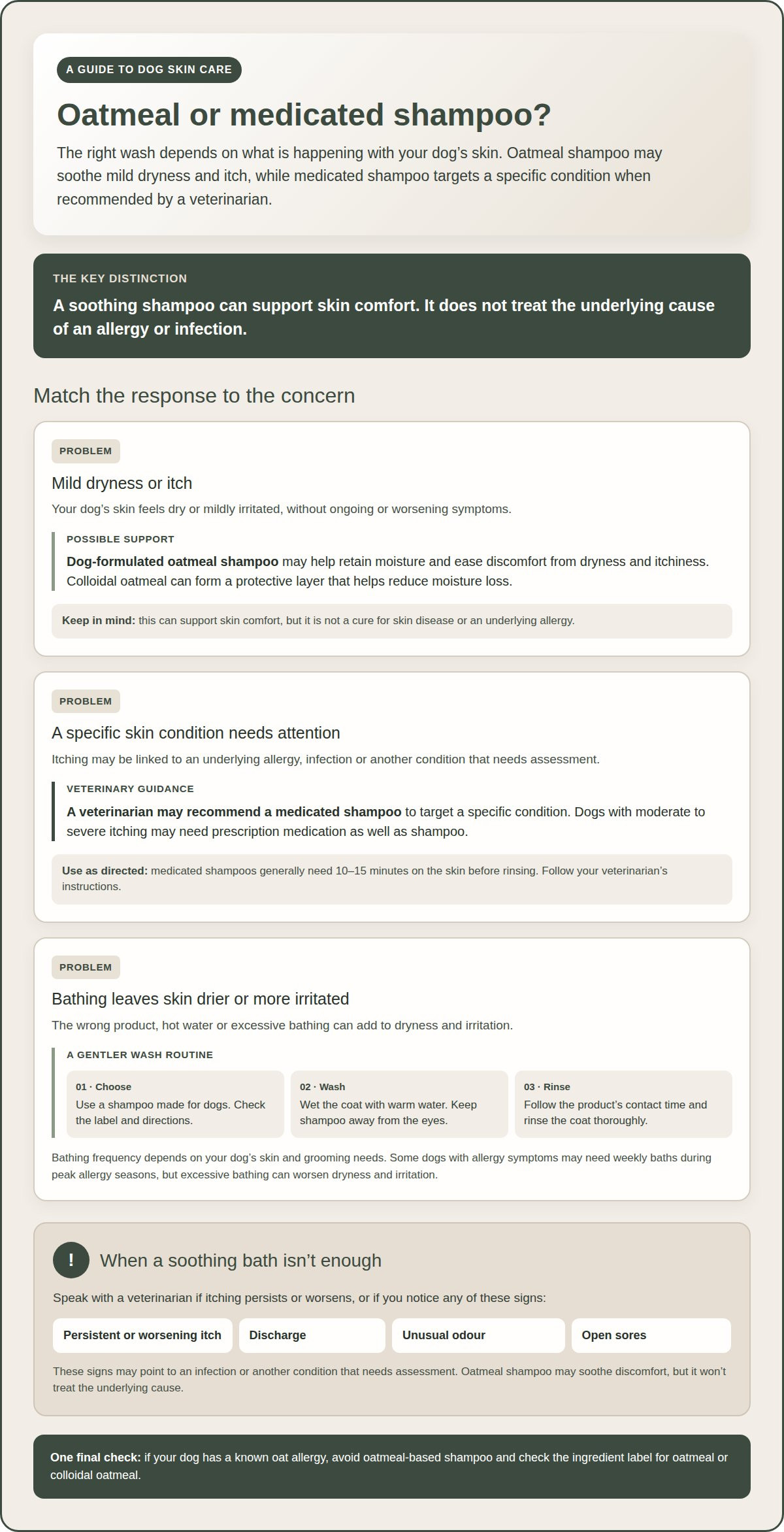
Oatmeal shampoo may soothe mild itching and dry, irritated skin, but it doesn’t treat an underlying allergy or infection. A gentle wash can support skin comfort, while a medicated shampoo targets a specific condition when a veterinarian recommends it. Dogs with moderate to severe itching may need prescription medication as well as shampoo.
Colloidal oatmeal is finely ground oatmeal used in skincare products. On a dog’s skin, it can help retain moisture and ease discomfort from dryness and itchiness. It may be a useful ingredient in shampoo for sensitive skin, but it isn’t a cure for skin disease.
Colloidal oatmeal can form a protective layer that helps reduce moisture loss from the skin. An oatmeal bath may also calm irritation and redness. Choose a dog-formulated product, follow its label and rinse the coat thoroughly. Hot water can dry the skin and worsen inflammation, so use warm water instead.
In Australia, oatmeal dog shampoo prices vary with bottle size, formulation and retailer. Compare the product size and ingredients rather than assuming a higher price means a better fit for your dog’s skin.
Bathing frequency depends on your dog’s skin and grooming needs. Some dogs with allergy symptoms may need weekly baths during peak allergy seasons, but excessive bathing can worsen dryness and irritation. Follow product directions and watch for changes after each wash.
To use oatmeal shampoo safely, wet your dog’s coat with warm water, apply the dog-formulated shampoo as directed, then rinse thoroughly. Keep shampoo away from your dog’s eyes and follow the label’s contact time. Medicated shampoos generally need 10-15 minutes on the skin before rinsing, so follow the veterinarian’s instructions for those products.
If your dog has a known oat allergy, avoid oatmeal-based shampoo. Check the ingredient label for oatmeal or colloidal oatmeal, and choose a different formula for bath time.
Australian retailers offer dog shampoos labelled with oatmeal or colloidal oatmeal. Reviews can describe practical details, such as how easily a shampoo rinses or how the coat feels afterwards, but they can’t establish whether a product treats an allergy.
See a veterinarian if itching persists or worsens, or if you notice discharge, an unusual odour or open sores. These signs may point to an infection or another condition that needs assessment. Oatmeal shampoo can soothe discomfort, but it won’t treat the underlying cause.
2. Cleaning and softening a dog’s coat
A clean coat is easier to brush, handle and keep comfortable between baths. Among the oatmeal dog shampoo benefits, a softer-feeling coat can make everyday grooming more pleasant for dog and owner. The result depends on coat type, existing tangles and care between washes.
Brushing before bath time helps remove loose hair and surface debris, and makes knots easier to spot before they tighten. Check areas prone to friction, including behind the ears, beneath a harness and around the tail. For a curly-coated dog, gentle, section-by-section brushing can help stop small tangles turning into dense mats.
After a bath, choose a brush suited to your dog’s coat. A wide-toothed comb may help separate longer strands, while a soft brush can smooth a short coat. Work patiently through small sections instead of pulling at a knot. If a mat sits close to the skin, don’t cut it out with household scissors, which can catch the skin beneath the fur.
You can assess coat softness through ordinary handling. A dry or rough-feeling coat may catch on a brush, while a clean, well-groomed coat is often easier to run your fingers through. Compare the same areas over time, such as the back or the feathering behind the legs. This gives you a clearer sense of how the grooming routine suits your dog.
For long-haired dogs, check the coat after walks. Grass seeds, leaf fragments and small twigs can cling to feathering around the legs and tail. Gently removing them helps prevent tangles and keeps outdoor debris from being carried through the home. A quick check can also reveal knots before they become difficult to manage.
The right grooming tools can make coat care more comfortable. Choose a brush that moves through the coat without repeated snagging, and pause if your dog shifts away or seems uncomfortable. Short, calm sessions may be easier than working through the entire coat at once. Your dog’s response can help you adjust the tool and technique.
For a considered grooming routine, pair a suitable dog shampoo with brushing that matches your dog’s coat. Oscar & Zo’s coat-care essentials can sit alongside those everyday brushing habits. Keep the focus on a coat that feels clean, manageable and comfortable to touch.
3. Hydration and moisturising
Dry skin can feel tight and uncomfortable, and repeated scratching may make it more irritated. Oatmeal shampoo can help retain moisture on the skin’s surface, supporting a softer feel after bathing. These moisturising properties may be useful when choosing a wash for a dog with allergies, but hydration alone doesn’t address the cause of an allergic reaction.
Colloidal oatmeal works at the skin’s surface. It can form a protective layer that helps retain water and slow moisture loss. This barrier supports the skin’s natural defences rather than replacing them. For example, a dog whose coat feels dry after washing may benefit from a product that helps keep the skin comfortable between baths.
Some oatmeal shampoos may also help maintain a dog’s normal skin pH. Skin comfort depends on more than the coat’s appearance, so read the label and choose a shampoo made for dogs. Human products aren’t a substitute: canine skin has different needs and can become irritated by an unsuitable cleanser.
Bathing technique affects the result. Use warm water, spread the shampoo gently through the coat, and rinse thoroughly so residue doesn’t stay against the skin. Pay attention to areas that can remain damp or collect product, such as the belly, paws and skin folds. Towel-dry the coat well afterwards.
Washing more often doesn’t necessarily add moisture. Excessive bathing may worsen dryness and irritation, particularly for dogs prone to itchy skin. Set a bathing schedule based on your dog’s coat and skin, and follow the product directions. If scratching increases after a wash, note the product used and where the irritation appears.
For example, a dog that licks its paws after bathing may have irritation, residue or another source of discomfort. Rinse the paws carefully and observe whether the behaviour continues. Ongoing scratching or visible skin changes need more than a moisturising wash. Shampoo may support surface comfort, but it can’t diagnose why the skin feels dry.
Keep the routine simple: use a dog-formulated oatmeal shampoo, follow its directions, rinse fully and avoid bathing more often than needed. This makes it easier to notice how your dog’s skin responds to each wash. If dryness or scratching persists despite careful grooming, speak with your veterinarian about the next steps for skin care.
4. Conditions oatmeal shampoo may soothe
Oatmeal shampoo can soothe itching linked with dry, irritated skin, including some symptoms associated with allergies. Its role is comfort during grooming, not treatment of the condition causing the reaction. For example, a wash may ease surface discomfort while a veterinarian investigates why a dog keeps scratching.
Dogs with canine atopic dermatitis can experience itchy, inflamed skin. An oatmeal bath may help calm discomfort, but it doesn’t cure the condition or replace veterinary care. If your dog repeatedly scratches its paws, belly or ears, note the affected areas and discuss the pattern with your veterinarian.
Flea allergy dermatitis is another condition where oatmeal shampoo may soothe irritated skin. However, shampoo doesn’t eliminate fleas or resolve the allergy itself. If you see fleas, flea dirt or persistent scratching, address the cause with veterinary guidance rather than relying on a soothing wash alone.
Some dogs develop flaky skin or dandruff alongside dryness and itching. Shampoo containing colloidal oatmeal may ease this surface discomfort. After grooming, check for persistent flakes, redness or sore patches. These signs can have different causes, so ongoing changes warrant veterinary assessment.
Oatmeal shampoo may also soothe hot spots and rashes associated with allergies or food sensitivities. It can reduce discomfort at the skin’s surface, but won’t identify a food trigger or heal an existing infection. Avoid scrubbing a painful area, and seek veterinary advice if the skin is open, wet or worsening.
These limits matter because similar signs can point to different problems. Itching may relate to allergies, fleas, infection or another skin condition. Oatmeal shampoo offers supportive cleansing, not a diagnosis. A veterinarian can examine the affected skin and recommend treatment suited to the underlying cause.
Use a dog-formulated shampoo as directed, and observe how your dog responds after each bath. Note whether scratching settles, stays the same or increases. Stop using the product if irritation appears, and share its ingredient label with your veterinarian at an appointment.
Choose a soothing wash for routine grooming when the skin is mildly dry or itchy, not as a substitute for care. Persistent scratching, spreading redness, discharge, odour or open sores call for veterinary attention. This keeps comfort measures in their proper place while the cause receives appropriate care.
5. Ingredients to look for or avoid
Start with the ingredient list, not the front label. Colloidal oatmeal is finely powdered oatmeal used in skincare products, and it’s the key ingredient to look for in oatmeal dog shampoo. Oatmeal contains starches and sugars that help retain moisture, plus saponins that help clean the skin. Its antioxidants, including vitamin E and avenanthramides, are associated with soothing properties.
Vitamin E and aloe are also ingredients to look for in a shampoo intended to soothe irritated skin. They can support a gentler bathing routine, but they aren’t a remedy for allergies or infection. Read the full label, as a product may contain oatmeal alongside ingredients that don’t suit your dog.
Choose a dog-formulated shampoo with a short, clear ingredient list. Fewer ingredients can make it easier to identify what your dog encountered if irritation follows a bath. When introducing a new formula, use it as directed and observe your dog’s skin afterwards. Note any new redness, scratching or discomfort.
For sensitive skin, consider avoiding parabens, artificial fragrances and dyes in oatmeal shampoos. These may irritate some dogs, while a strong scent can make it harder to notice changes in your dog’s natural skin or coat odour. If your dog has reacted to an ingredient before, compare the labels.
Colloidal oatmeal differs from rolled or steel-cut oats, which are commonly eaten. It’s a finely powdered form made for use in skin and beauty products. When choosing shampoo, look for colloidal oatmeal on the label rather than assuming any product mentioning oats has the same formulation.
Medicated shampoos use different active ingredients for specific skin concerns. For example, chlorhexidine is used to minimise bacteria, ketoconazole to reduce yeast, and benzoyl peroxide to reduce oil. These ingredients aren’t interchangeable with oatmeal shampoo. A veterinarian can recommend a suitable medicated product when symptoms call for targeted treatment.
Are there risks or side effects of oatmeal shampoo for dogs? A dog may react to oatmeal or another ingredient in the formula, and residue left after bathing may irritate the skin. Stop using the shampoo if irritation appears, rinse the coat, and discuss the ingredients with your veterinarian.
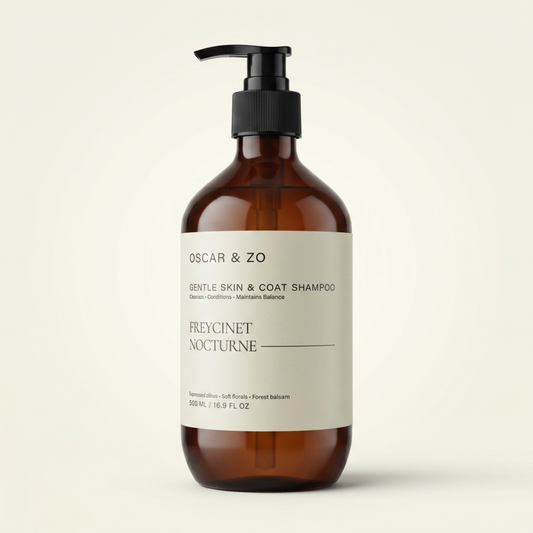
Before bathing, check the label for colloidal oatmeal, added fragrance, dyes and other ingredients your dog has reacted to. Use only a dog-formulated product and follow its directions. If you’re choosing a shampoo for routine coat care, explore dog skin and coat shampoo as one option for your grooming routine.
Oscar & Zo: Skin & Coat Shampoo
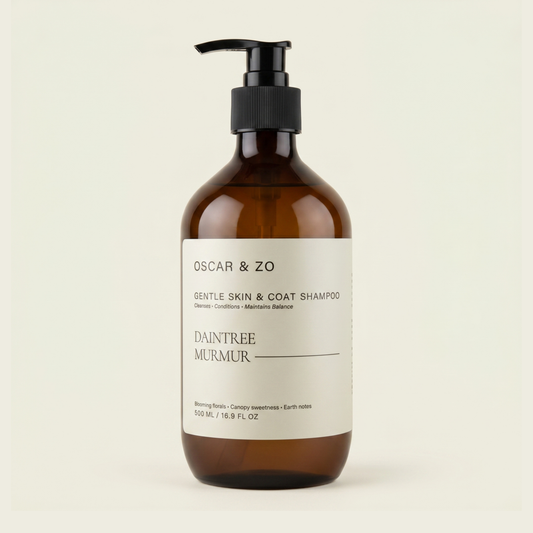
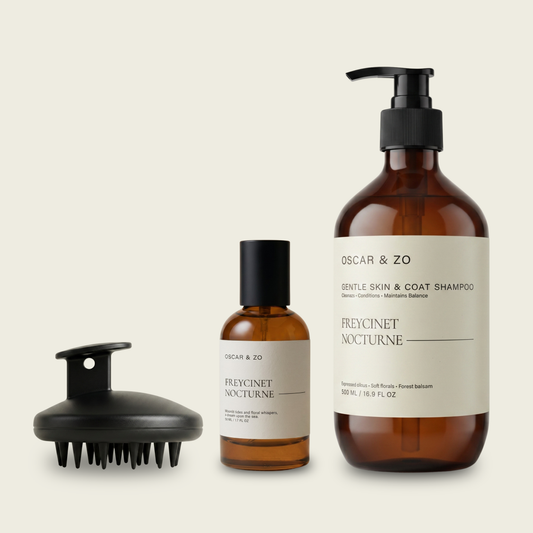
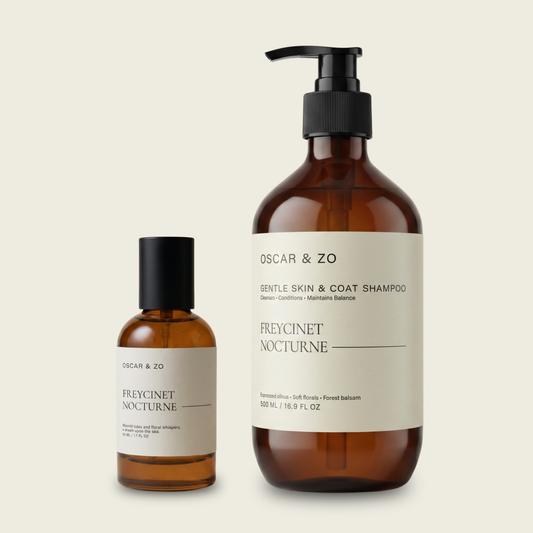
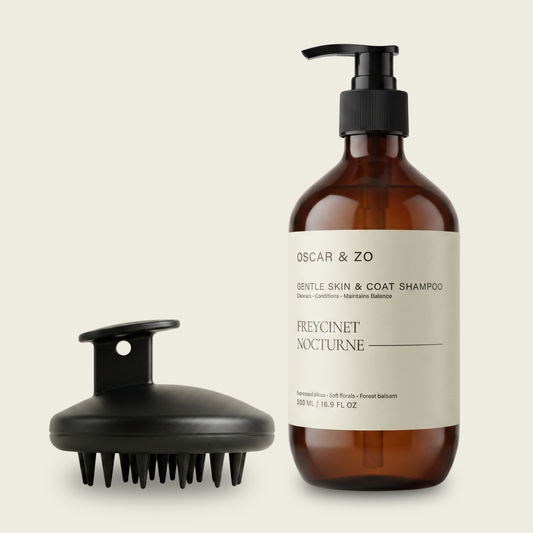
Oscar & Zo Skin & Coat Shampoo offers a considered option for regular coat care between veterinary appointments. It’s designed to support healthier-looking skin and a softer coat as part of your dog’s grooming routine. Use it for everyday cleansing, following the product directions and watching how your dog’s skin responds.
Oatmeal shampoo and medicated shampoo have different roles. If your veterinarian recommends a medicated product for a specific condition, use it as directed. For persistent itching, redness or signs of infection, seek veterinary advice rather than relying on routine shampoo.
For a gentle approach to bathing and coat care, explore Oscar & Zo Skin & Coat Shampoo. You’re welcome to visit oscarandzo.com.au to learn more.
Make your dog’s care routine responsive
A calm, consistent grooming routine can also help you notice patterns. Keep a simple note of when your dog is bathed, which product you use and any changes afterwards. If symptoms shift with seasons, walks or time outdoors, those details may help guide a conversation with your veterinarian.
The oatmeal dog shampoo benefits that suit one dog may not match another’s needs. Let your dog’s comfort, skin response and veterinary guidance shape the routine, rather than adding products or bathing more often without a clear reason. Small, thoughtful observations can make everyday care more purposeful.
If you’d like to share a question about your dog’s grooming routine, contact Oscar & Zo with your questions. A considered next step can help you care for your dog with greater confidence and ease.
Frequently Asked Questions
Medicated shampoo vs oatmeal shampoo: do they work for dog allergies?
Oatmeal and medicated shampoos have different roles: oatmeal shampoo can support comfort, while medicated shampoo is used for specific skin conditions. For example, a veterinarian may recommend a medicated formula containing an antifungal ingredient when yeast is involved. Use prescribed treatment as directed rather than switching to an oatmeal wash. If you’re unsure which product belongs in your dog’s routine, take both labels to your next veterinary appointment.
Homemade oatmeal dog shampoo: is it worth it?
Homemade oatmeal shampoo is generally not the best choice for dogs, as its ingredients and texture may be difficult to control. Veterinarian Katalin Grant recommends against making oatmeal dog shampoo at home. If you’re considering an oatmeal bath, use plain oatmeal and warm water, and avoid adding ingredients without veterinary guidance. A pet-formulated product provides clear directions for application and rinsing.
Will shampoo alone stop my dog's itching?
No. Shampoo alone may not stop ongoing itching because it doesn’t address every possible cause. Washing can remove allergens from the skin and support moisture, but allergies, fleas and infections may need other care. Note when the itching occurs, such as after a walk or around the paws, and share that pattern with your veterinarian. Persistent or worsening symptoms need assessment.
What are the benefits of oatmeal shampoo for dogs?
Oatmeal shampoo can help soothe mild itchiness, cleanse the coat and leave it feeling softer. It may help when dry skin makes brushing or settling uncomfortable, but it isn’t a cure for disease. After a bath, notice whether your dog seems more comfortable and whether the coat feels clean without residue. These observations can help you decide if it suits routine grooming.
How does colloidal oatmeal soothe itchy or dry dog skin?
Colloidal oatmeal is finely powdered oatmeal used in skincare products. On the skin, it can help hold moisture and create a surface barrier that slows water loss. For a dog with dry, flaky skin, this may ease some surface discomfort. The effect is supportive rather than curative, so ongoing irritation still needs attention, especially if the skin becomes sore or changes after bathing.
Can oatmeal dog shampoo help with allergies or hot spots?
Oatmeal shampoo may soothe some itchiness associated with allergies or hot spots, but it won’t remove the underlying trigger or treat an infection. For example, flea allergy dermatitis needs flea control, while a sore, open hot spot needs veterinary assessment. Avoid scrubbing affected skin during bathing. If a patch is wet, painful, spreading or producing discharge, arrange veterinary care rather than relying on shampoo.
Oatmeal dog shampoo vs medicated or regular dog shampoo: which is better?
The better choice depends on the purpose of the wash. Oatmeal shampoo suits routine cleansing when mild dryness or itch needs soothing; a regular dog shampoo can clean a coat without that specific ingredient. Medicated shampoo is intended for particular conditions and should be used according to veterinary directions. Don’t substitute one type for another if your veterinarian has recommended a treatment plan.
What ingredients should you look for or avoid in dog oatmeal shampoo?
Look for colloidal oatmeal, and consider formulas with vitamin E or aloe. A short ingredient list can make it easier to spot a product your dog may not tolerate. Some pet owners avoid artificial fragrances, dyes and parabens when choosing shampoo for sensitive skin. Read the full label, especially if your dog has reacted to an ingredient before, and stop use if irritation appears.