



Daily Dog Grooming Checklist for Coat, Ears, Nails and Skin

A useful daily dog grooming checklist isn’t a list of tasks to complete every day. It combines a brief health check with coat care suited to your dog, while ear, nail, dental and skin checks happen at sensible intervals. Long-haired dogs generally need daily brushing; short-haired dogs often need it less frequently.
Grooming is about more than keeping a coat tidy. These quiet moments together can help you spot tangles, grass seeds, irritation or other changes. A gentle, consistent routine can make everyday care more comfortable for both of you.
This guide explains what grooming typically involves, how to choose a brush for your dog’s coat and what to look for around the ears, nails, skin and body. It also separates daily checks from tasks you can do less often, helping you keep care calm, practical and manageable.
Key Takeaways
- Match brushing frequency and tools to your dog’s coat: long coats usually need daily attention, while short coats need less frequent brushing.
- Look over your dog’s ears weekly, and avoid cleaning them if they’re shaking their head, pawing at them or hearing less clearly.
- Check nail length regularly; most dogs need their nails clipped or ground every 3-4 weeks.
- Use grooming time to notice changes such as unusual hair loss, skin irritation, parasites or small injuries.
- Make a quick daily health check part of your routine, and contact your veterinarian about health concerns.
Brushing and choosing tools for coat type
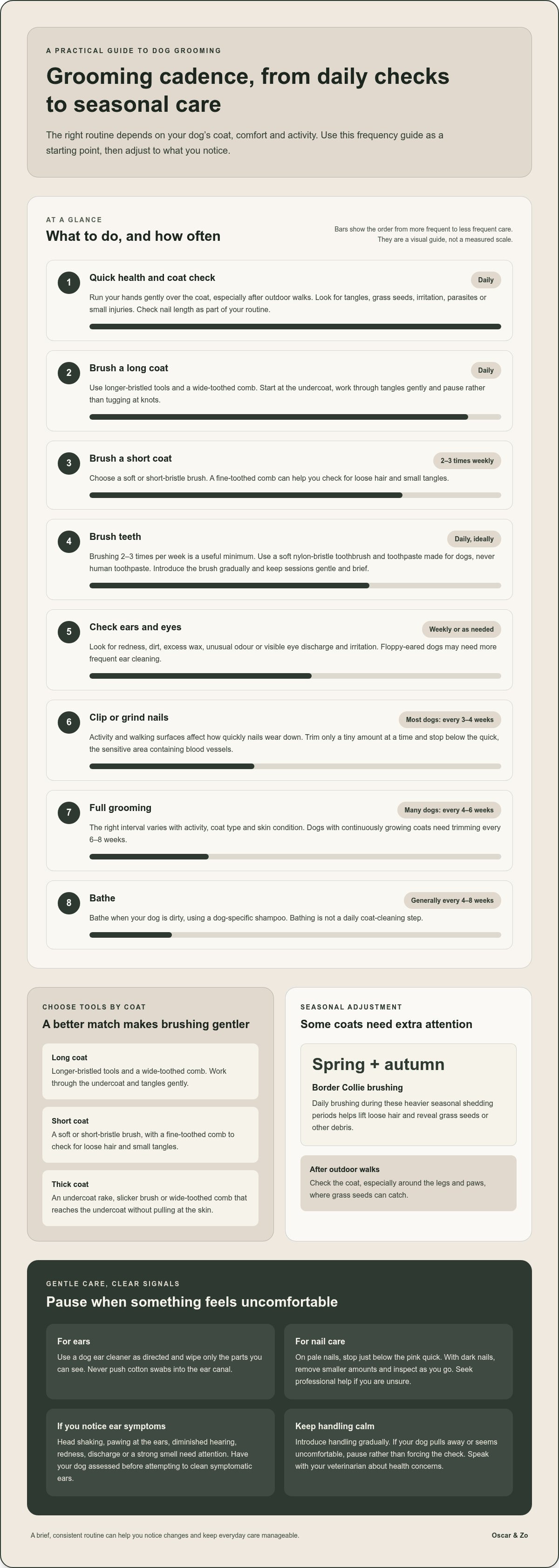
For Australian pet parents, routine brushing is best matched to coat type, length and outdoor activity. Long-haired dogs generally need brushing daily, while short-haired dogs often need brushing 2-3 times weekly. These are practical routines, not one schedule for every dog.
For daily coat care, choose a brush or comb suited to your dog’s coat rather than using shampoo as a daily cleaner. Bathe with dog-specific shampoo, as human shampoo isn’t suitable for dogs. For dental care, use a clean toothbrush and toothpaste formulated for dogs.
Use these coat-based steps to choose tools and guide brushing at home:
- Brush long coats daily with longer-bristled tools and a wide-toothed comb. Start at the undercoat, then work through tangles gently to help prevent mats and knots.
- Brush short coats 2-3 times weekly with a soft or short-bristle brush. A fine-toothed comb can help you check for loose hair and small tangles.
- Reach through thick coats with an undercoat rake, slicker brush or wide-toothed comb. Choose a tool that can reach the undercoat without pulling at the skin.
- Increase brushing for a Border Collie during spring and autumn. Daily brushing during these heavier seasonal shedding periods helps lift loose hair and reveal grass seeds or other debris.
For each session, part the coat in small sections and brush in manageable strokes. Pause at knots instead of tugging, and check the skin beneath for redness, irritation or trapped debris. After outdoor walks, run your hands gently over the coat, especially around the legs and paws, where grass seeds can catch. Regular brushing removes dead hair and skin cells, helps distribute natural oils and makes changes easier to notice.
Brushing at home doesn’t replace every grooming task. Many dogs need full grooming every 4-6 weeks, while bathing is generally needed every 4-8 weeks or when a dog is dirty. Activity, coat type and skin condition influence the routine. Dogs with continuously growing coats need trimming every 6-8 weeks.
Include teeth in your daily dog grooming checklist, even though tooth brushing is a separate task from coat care. Ideally, brush your dog’s teeth daily; brushing 2-3 times per week is a useful minimum. Use a soft nylon-bristle toothbrush and dog-specific toothpaste, never human toothpaste. Speak with your veterinarian before starting, so they can check your dog’s teeth and gums. Introduce the toothbrush gradually, keeping sessions gentle and brief.
Ear care and signs of infection
Check both ears weekly, including the visible folds and opening. Look for redness, dirt, excess wax or an unusual odour. Floppy-eared dogs may need more frequent cleaning than dogs with upright ears, but the right routine depends on your dog and what you observe.
Ear-cleaning needs vary from dog to dog, so check your dog’s ears and clean them when needed. Use an ear cleaner intended for dogs and follow its directions, wiping only the parts you can see. Never push cotton swabs into the ear canal, as they can cause injury or push debris further inside. A clean cotton pad can help gently wipe the outer ear.
Head shaking, pawing at the ears or diminished hearing can signal a problem. If you notice these signs, have your dog assessed by a veterinary professional before attempting to clean the ears. Redness, discharge or a strong smell also need attention, particularly if your dog seems uncomfortable when you touch the ear.
Include the rest of the face in your routine. Check your dog’s eyes weekly or as needed for visible discharge, redness or irritation. Gently wipe around the eyes with a clean, damp cloth, using a fresh area for each eye. Don’t put cleaning products into the eyes, and ask your veterinarian about persistent changes.
Adapt grooming to your dog’s age and comfort. Introduce a puppy to handling gradually: briefly touch the ears, paws and mouth, then offer praise. With an older dog, move at a relaxed pace and let them sit or lie comfortably. If your dog pulls away or seems uncomfortable, pause rather than forcing the check.
Include dental care in the daily routine with a toothbrush and toothpaste made for dogs. A calm, brief session can help your dog get used to having their mouth handled. If brushing is difficult or your dog reacts painfully, speak with your veterinarian before continuing.
While checking the paws, look at every nail, including the dewclaws higher on the legs. Most dogs need nails clipped or ground every 3-4 weeks. Trim only a small amount at a time, stopping below the quick, the sensitive area containing blood vessels. If your dog is anxious or you’re unsure where to trim, seek professional help.
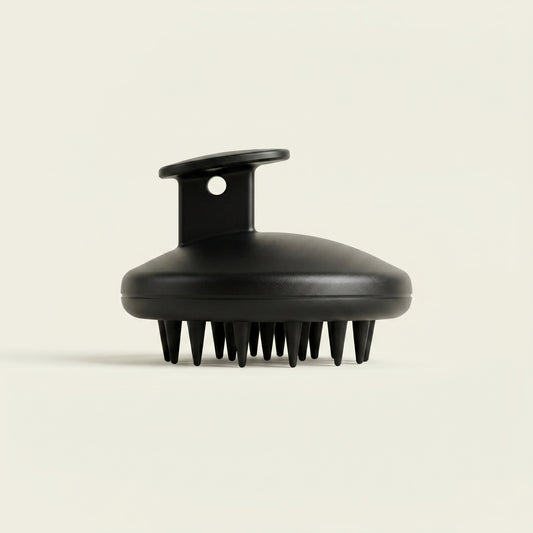
Regular checks help you notice changes without turning grooming into a long task. For comfortable coat care between ear and paw checks, explore grooming tools for dogs suited to your home routine.
Nail trimming
Check your dog’s nails during a daily care routine, but trim them only when their length calls for it. Most dogs need clipping or grinding every 3-4 weeks, though activity and the surfaces they walk on affect how quickly nails wear down. A standing dog should have enough clearance for a plastic credit card to fit beneath each nail; if it won’t fit, the nail may be too long.
Work in a quiet, well-lit spot and handle one paw at a time. When using clippers or a grinder, remove only a tiny amount, then pause to check the nail before continuing. Frequent small trims are safer than removing a large section from an overgrown nail, which makes it harder to avoid the quick.
The quick is the sensitive inner part of the nail that contains blood vessels. On pale nails, look for the pink area and stop just below it. The quick is harder to see on dark nails, so remove smaller amounts and inspect the cut surface as you go. Cutting into the quick can cause pain and bleeding. Keep styptic powder or gel nearby, and stop if your dog becomes distressed.
Remember the dewclaws, which sit higher on the legs and may not touch the ground. Check each paw separately, as one nail can grow longer than the others. If your dog is anxious about nail trimming or you’re unsure how much to remove, seek professional help rather than holding them still by force.
Daily grooming includes a quick health check and coat brushing suited to your dog. Tooth brushing is ideally daily, while ears, eyes, paws and skin can be checked weekly; nail trimming is usually needed every 3-4 weeks. A Kelpie may need a monthly trim because high activity doesn’t always wear nails down evenly.
Nail care is one part of follow-up grooming. Dogs with continuously growing coats need trimming every 6-8 weeks, while professional grooming appointments are generally recommended every 6-12 weeks, depending on coat type. Trimming excess hair around the eyes, ears and paw pads can also form part of grooming, but it requires care around sensitive skin.
Clip the coat according to your dog’s coat type and comfort, rather than applying the same length rule to every breed. If mats sit close to the skin, pulling or cutting them at home can cause discomfort or irritation. A groomer can assess the matting and your dog’s handling tolerance before deciding how much coat can be safely kept.
Recognising excessive hair loss and skin problems
Use grooming sessions to notice changes in your dog’s coat and skin. Some shedding is normal, but sudden thinning, bare patches or hair loss that continues beyond seasonal shedding deserve attention. Compare the same areas over time, such as the flanks, tail base and behind the ears, rather than judging by loose hair alone.
Once a week, part the coat in several places and look for redness, scabs, flakes, sores or irritation. Check areas where a collar, harness or mat might rub. Long-haired dogs may hide debris beneath the topcoat, while skin changes are easier to see on short-haired dogs. Use your fingertips gently, and stop if your dog seems sensitive or sore.
After bushwalks, check the coat for ticks, fleas, grass seeds and small injuries. In tick-prone areas, check daily; elsewhere, check for fleas and ticks at least weekly. Grass seeds can lodge between the toes, in the armpits or around the ears, so inspect these areas carefully after outdoor activity. Remove visible debris only if it comes away easily; don’t dig into the skin.
Check paw pads and the nose weekly for cracks, cuts, swelling or changes in texture. Run your fingers over each paw and look between the toes, where a small thorn or grass seed can be hard to spot. Gently feel over your dog’s body for new or changing lumps, and note their location so you can describe what you found to your veterinarian.
Grooming can help you notice concerns early, but it isn’t a way to diagnose them. The Australian Veterinary Association says grooming supports early detection of skin issues, parasites and underlying health concerns in dogs. Groomers don’t diagnose medical conditions, so contact your veterinarian about persistent hair loss, sores, irritation, new lumps or suspected parasites.
Common grooming risks include irritation from pulling at mats, small cuts from clippers and discomfort if a sore area is handled. Use tools suited to your dog’s coat, keep your touch gentle and pause if they flinch or pull away. Treats and praise can make checks more comfortable, particularly for a sensitive dog getting used to a new routine.
Seasonal shedding varies, so note changes in a simple diary, including when they happened and which areas are affected. For example, record whether thinning is widespread or limited to one patch, and whether redness or scratching is also present. These details can help your veterinarian assess the change and suggest suitable next steps.
Daily health checks
A daily health check can be brief: watch your dog move, notice their usual behaviour and gently scan their body. Regular grooming makes these observations part of everyday care, rather than a separate, thorough inspection each day. Look for changes from your dog’s normal pattern, such as a new limp, unusual sensitivity or reluctance to be touched.
- Watch your dog walk a few steps. Notice limping, stiffness or a change in how they place their paws.
- Run your hands gently over their body. Check for new lumps, tenderness, skin irritation or anything caught in the coat.
- Look at the face and paws. Check the eyes, nose, paw pads and between the toes for visible changes or debris.
- Notice their response to food, water and handling. A change in everyday behaviour can help you describe a concern to your veterinarian.
Pay particular attention to scooting, repeated licking or scratching around the rear, swelling, inflammation or discharge. These signs may indicate anal sac discomfort. Overfull anal sacs can lead to pain, inflammation, impaction, infection or an abscess. If you notice these signs, don’t try to express the sacs at home; contact your veterinarian for advice.
Bathing is occasional care, not a daily health check. Most dogs need a bath every 4-8 weeks, or when they’re dirty, with frequency influenced by activity, coat type and skin condition. Use tepid to lukewarm water and shampoo made for dogs, not human shampoo. If a bath is due, explore Skin & Coat Shampoo as a dog-specific option for your routine.
During a bath, notice whether your dog reacts to touch, water or shampoo around a particular area. Rinse thoroughly, then check the coat and skin as you dry them. Stop if you see a sore or your dog shows signs of pain, and speak with your veterinarian about medical concerns. Your dog may need a different bathing routine if their activity, coat or skin changes.
Keep a simple note of what you notice, including the day and the area affected. For example, record a new patch of redness or when scooting first appeared. This gives your veterinarian clear details if you seek advice. A daily dog grooming checklist works best when it stays calm and consistent: observe, touch gently, note changes and leave diagnosis to veterinary professionals.
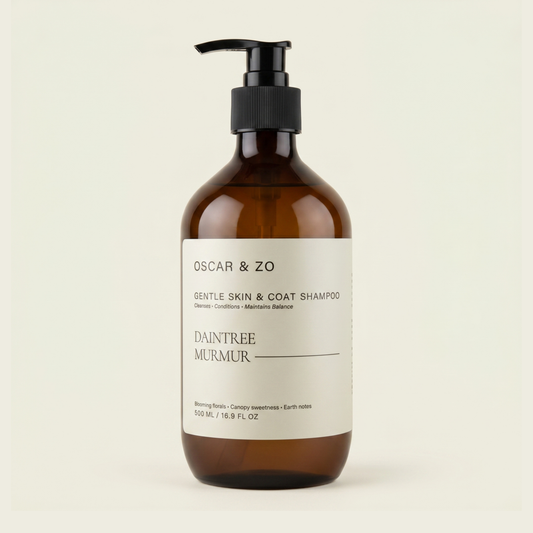
Oscar & Zo: Skin & Coat Shampoo
Oscar & Zo Skin & Coat Shampoo is a dog-specific wash to use when your dog is due for a bath. It’s made for everyday coat care and leaves the coat feeling softer after washing.
Use shampoo for occasional bathing, not daily cleaning. Wet your dog with lukewarm water, follow the product directions and rinse thoroughly to remove residue. If you’ve noticed persistent redness, sores or unusual hair loss, speak with your veterinarian before bathing, as these signs may need professional assessment.
Pair a bath with calm brushing once the coat is dry, using a tool suited to its length and texture. For a considered addition to your dog’s grooming routine, visit Oscar & Zo online.
Make everyday care a gentle ritual
The most useful routine is one you can return to easily. Let your dog’s comfort set the pace, and choose a calm moment at home to make grooming familiar. A daily dog grooming checklist can be a simple prompt to pause, notice your dog and build steady care into ordinary days.
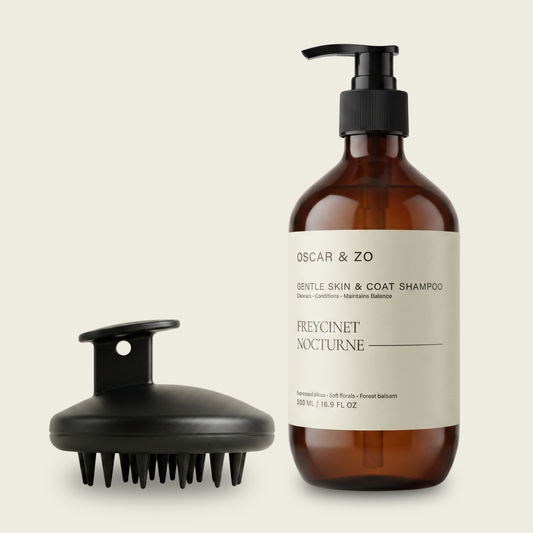
For bath time and the small moments around it, Oscar & Zo offers Skin & Coat Shampoo, Pet Fragrance and Ritual Sets. Choose what feels relevant to your dog’s routine, without making care more complicated than it needs to be. If you have a question about Oscar & Zo’s grooming range, you’re welcome to contact Oscar & Zo.
Each gentle check can build familiarity and connection. Keep the routine thoughtful, adaptable and centred on your dog’s comfort.
Frequently Asked Questions
What does dog grooming typically include?
Dog grooming typically combines at-home upkeep with coat care that may need professional attention. Before an appointment, note your preferred coat length, areas your dog dislikes being handled, and any changes you’ve noticed. A clear reference photo can help explain the finish you’re hoping for. Sharing these details helps make the grooming plan more specific to your dog.
What if my dog doesn’t like to be groomed?
Prepare before you begin: choose a quiet spot, place a non-slip mat beneath your dog and keep tools within reach. Avoid pinning your dog in place, which can make grooming more stressful. Let them move away if needed, then try again later. If resistance is new or focused on one area, consider whether discomfort may be involved.
What if my pet hates grooming?
Notice what in the setting may be unsettling your dog, such as a noisy room, slippery surface or unfamiliar person. Changing one thing at a time can help you work out what makes grooming easier. If home grooming remains difficult, a professional groomer can help with handling and coat care. Don’t force a session if it risks distress or accidental injury.
What should be included in a daily dog grooming checklist?
Make the checklist a quick record, not a demand to complete every grooming task daily. Include the date, what seemed different and whether you need to follow up. For example, note “hesitated on stairs” or “new rough patch near shoulder”. This can help you discuss a persistent change with your veterinarian.
How often should you brush different dog coat types?
Follow the coat-based brushing schedule above, using your dog’s comfort and the coat’s condition as practical guides. Note which brush you used and whether it glides smoothly or catches. If it snags in a particular area, don’t pull through. Reassess your technique and tool before continuing, especially around delicate skin.
How should you check and clean a dog's eyes and ears safely?
Choose a well-lit space and let your dog settle before handling their face. Gently lift the ear flap to see the opening, and clean only visible areas. For the eyes, wipe from the inner corner outwards with a clean, damp cloth. Use a fresh section for the other eye, and pause if your dog pulls away or seems sore.
How often should you check a dog's paws, nails, and paw pads?
Follow the paw and nail routine above, and take a quick look whenever your dog returns from rough or unfamiliar ground. Check whether a nail catches on fabric or your dog avoids putting weight on a paw. These observations can help you decide whether routine grooming can wait or a sore area needs veterinary attention.
What are the steps for checking a dog's skin and coat for problems?
For a useful comparison, take a clear photo of a new patch in consistent lighting, then note its location and when you first noticed it. Avoid applying products to unexplained changes before seeking advice. If the area grows, becomes sore or appears alongside a change in behaviour, share the photo and your observations with your veterinarian.