


How to Save Money on Dog Grooming by Understanding Prices

A lower grooming bill often begins at home, not at the salon. A practical way to learn how to save money on dog grooming is to brush regularly, use suitable tools for simple upkeep and plan professional appointments around your dog’s coat. Regular brushing helps catch tangles early, which may reduce the need for more involved grooming later.
Professional grooming prices can vary with a dog’s size, breed, coat condition and the work required. It’s understandable to want costs to feel more predictable while keeping your dog comfortable and well cared for. Home grooming can help with everyday maintenance, without needing to replace professional care.
This guide explains how brushing, choosing useful home-grooming tools and understanding what affects professional grooming prices can help you plan. You’ll find practical ways to care for your dog’s coat between appointments and decide which tasks are best left to a groomer, with a calm routine that suits you both.
Key takeaways
- Make regular brushing part of your routine to help keep tangles from tightening into mats.
- Choose DIY grooming tools around your dog’s coat and the simple upkeep you can comfortably manage at home.
- Understand how your dog’s size, coat condition and grooming needs can shape professional appointment costs.
- Compare grooming prices by looking at the tasks included, not just the quoted total.
- Keep straightforward care at home, while leaving tasks that need professional handling to a groomer.
1. Brushing and preventing coat mats
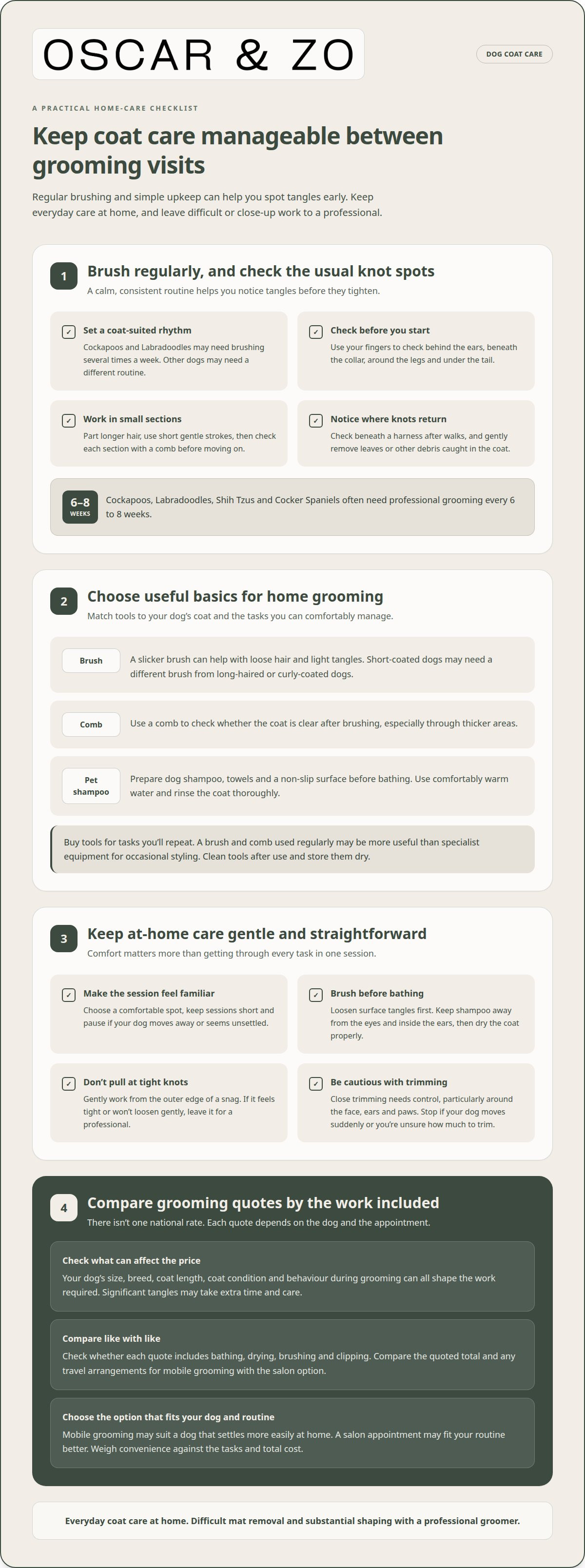
For pet parents wondering how to save money on dog grooming, regular brushing is a practical place to begin. It helps catch tangles before they tighten and become harder to work through. Cockapoos and Labradoodles may need brushing several times a week, while other dogs may need a different routine.
Before brushing, check your dog’s coat with your fingers. Look behind the ears, beneath the collar, around the legs and under the tail, where rubbing can lead to knots or collect loose hair. If you find a snag, gently separate the nearby hair and work from the tangle’s outer edge.
Brush in sections rather than sweeping across the whole coat. Part longer hair with one hand, then use short, gentle strokes on a small area. Check each section with a comb before moving on. This helps you find remaining tangles, especially in thick hair around the chest or hindquarters.
Keep each session calm and consistent. Choose a familiar spot where your dog can stand comfortably, and pause if they move away or seem unsettled. If your Cockapoo dislikes having its legs brushed, work on one leg at a time. Gentle praise can help make grooming feel familiar.
Notice where knots return between sessions. If tangles repeatedly form beneath a harness, check the area after walks and remove loose hair before it gathers. After time outdoors, look for leaves or other debris caught in the coat. Removing them gently can help prevent later brushing from tugging at the skin.
Long or curly coats need more attention than a quick surface brush. Cockapoos, Labradoodles, Shih Tzus and Cocker Spaniels often need professional grooming every 6 to 8 weeks. Regular home checks help you see when a coat is becoming difficult to manage, rather than waiting until the next appointment to notice a problem.
Severe matting can make removal uncomfortable and may call for an urgent grooming appointment, which can cost more than delaying grooming saved. If a knot feels tight or won’t loosen gently, don’t pull at it. Keep the surrounding coat tidy and leave difficult mat removal to a professional.
A simple routine works best when it suits your dog’s coat and tolerance. Note the areas that need extra attention, such as behind the ears or beneath a harness. This small habit helps you focus each brushing session, notice changes early and plan coat care with fewer surprises.
2. DIY grooming tools
For home grooming, start with a brush suited to your dog’s coat, a comb and pet shampoo. Tool costs in Australia depend on the type, construction and your dog’s grooming needs, so choose useful basics before adding specialised equipment.
A slicker brush can help with loose hair and light tangles, while a comb lets you check whether the coat is clear. Short-coated dogs may need a different brush from long-haired or curly-coated dogs. Match the tool to the coat instead of buying a large kit you may rarely use.
Before buying clippers or scissors, consider what you’ll actually maintain at home. Trimming close to the skin takes control and care, especially around the face, ears and paws. Leave substantial coat shaping to a professional groomer. A basic brush and comb can support routine upkeep without attempting a full salon-style groom.
To bathe your dog, prepare dog shampoo, towels and a non-slip surface before turning on the water. Use comfortably warm water, wet the coat gently, and keep shampoo away from the eyes and inside the ears. Rinse thoroughly, then towel-dry and make sure the coat dries properly, especially after a bath or wet walk.
Brush before bathing to loosen surface tangles, then work in small sections once the coat is dry. For a Cockapoo with a longer coat, part the hair and gently brush each section. Don’t pull at a knot. Steady, light strokes are more comfortable than forcing a brush through it.
Keep sessions short and calm. Let your dog get used to the brush before tackling the whole coat, and pause if they seem uncomfortable. A familiar surface, a quiet room and a few treats can make the process easier to manage.
Take care with nail trimming and work around sensitive areas. If your dog moves suddenly or you’re unsure how much to trim, stop rather than risk a cut. A groomer can handle tasks that need more experience, while home care can focus on brushing, bathing and drying.
To keep spending practical, buy tools for tasks you’ll repeat. A brush and comb used regularly may be more useful than specialist equipment for occasional styling. Clean each tool after use and store it dry, ready for the next grooming session.
A coat-appropriate brush, a comb and pet shampoo are useful basics for regular home grooming. Costs vary according to the tool type, its construction and your dog’s grooming needs.
3. Professional grooming prices
Professional grooming prices in Australia depend on the dog and the appointment, rather than one national rate. Mobile grooming isn’t automatically more expensive than salon grooming. Compare the quoted service, travel arrangements and grooming tasks to understand what each price covers.
A groomer may consider your dog’s size, breed, coat length, coat condition and behaviour during grooming. A small, short-haired dog needing a wash requires different work from a large dog needing bathing, drying, brushing and clipping. Significant tangles may also take extra time and care.
There isn’t a reliable Australian dollar range to quote here. Treat each price as specific to the service described and compare like with like. For example, check whether quotes both include bathing, drying, brushing and clipping, rather than comparing different grooming packages.
For mobile appointments, compare the quoted total with the salon option, including any travel arrangements that affect the price. A mobile visit may suit a dog that settles more easily at home, while a salon appointment may fit your routine better. Weigh convenience against the tasks and total cost rather than assuming one format always costs more.
To plan ahead, record what each appointment cost and included. Consider how often your dog’s coat needs professional attention alongside the upkeep you can manage at home. A Cockapoo’s coat, for instance, may need a different routine from a short-haired dog’s coat.
DIY grooming can become risky when scissors or clippers are used without control, particularly around a moving dog’s face, ears or paws. Sudden movement makes close trimming difficult. For routine brushing and bathing, handle your dog calmly and use suitable tools, but don’t force a task that causes distress.
Choose a professional groomer for work that needs specialised handling, such as clipping a difficult coat or removing severe mats. Groomers may also notice lumps, parasites, sore patches or skin changes during coat care. They don’t diagnose health issues, so speak with your veterinarian about any concerning change.
To make an appointment easier to budget for, describe your dog’s size, breed, coat condition and requested tasks when discussing the service. Ask for the total price for that specific appointment and note what it includes. Clear details help you compare salon and mobile options fairly, then choose a grooming routine that suits your dog and household budget.
4. How can I compare prices from dog groomers in Australia?
Compare grooming quotes by matching the work, not just the headline price. A wash-and-dry appointment isn’t directly comparable with one that also includes brushing, clipping or nail trimming. Write down the tasks you want for your dog before reviewing quotes.
Describe your dog consistently each time: include their breed or mix, size, coat length and current coat condition. For example, say whether the coat is short or long and mention any tangles that could affect the work. Clear details make it easier to understand why quotes differ.
Then check what each quoted service includes. Look for differences in bathing, drying, brushing, clipping and nail care. If one quote covers fewer tasks, its lower total may not reflect the same appointment. Record each quote in A$ and compare the same requested service side by side.
- Appointment type: Note whether the quote is for a salon visit or mobile grooming, and whether travel arrangements affect the total.
- Coat care: Record whether brushing, detangling or clipping is included, especially if your dog’s coat needs more attention.
- Extra tasks: Separate requested care such as nail trimming or ear cleaning from the main grooming service.
- Price basis: Note whether the amount is a set quote or depends on the coat’s condition and work required.
Use the same description when comparing a mobile groomer with a salon. For instance, request a wash, dry and brush for the same dog, rather than comparing that service with a full clip. This keeps the comparison focused on convenience and equivalent tasks.
Ask for the total price for a specific appointment and what could change it. Coat condition may affect the work required, particularly if the coat is tangled or matted. A clear explanation helps you distinguish a different service from a difference in pricing.
For a more manageable routine, estimate grooming spending across the year using your dog’s expected appointment pattern. Don’t treat one quote as an annual total unless it reflects the appointments and tasks your dog needs. Appointment records can show how costs vary as the coat changes.
If you have a set budget, explain it when discussing the appointment. A groomer may be willing to work out an arrangement. You can also ask which tasks are essential for that visit and which routine coat care you can maintain at home. This gives you a clearer basis for planning without comparing unlike services.
Ask friends and neighbours for groomer recommendations, then request quotes for the same tasks to compare prices. Check what each appointment includes and ask the groomer to explain any differences in the total.
After wet walks or baths, drying your dog can help keep their coat comfortable. Ask your groomer about suitable drying care for your dog’s coat.
5. Safe dog grooming tasks to save money at home
Home grooming may be simpler with small, short-haired dogs. Medium and large dogs can be harder to manage because their size and coat can make bathing, drying and handling more involved. Choose tasks that suit your dog’s coat and your comfort with the process.
Brushing, bathing and drying are practical areas to focus on between professional appointments. After a bath or wet walk, dry your dog thoroughly to help prevent tangles and matting close to the skin.
Use a towel to remove excess water, then check the coat carefully as it dries. Pay attention to areas that stay damp or become tangled, such as beneath the legs. For a long or curly coat, work gently through small sections instead of pulling at knots.
A home grooming session is also a useful chance to look over your dog’s coat and skin. Move your hands gently through the fur and check for lumps, parasites, sore patches or skin changes. If you notice something concerning, speak with your veterinarian rather than trying to identify or treat it yourself.
Nail care needs a steady hand. If your dog resists handling, or you’re unsure where to trim, leave the task to a groomer.
Some grooming tasks involve sensitive areas or require particular handling, so they may be better left to an experienced professional.
For a simple home routine, focus on care you can perform calmly:
- Brush through the coat and check for tangles.
- Bathe with dog shampoo, then rinse thoroughly.
- Dry the coat after baths and wet walks.
- Look over the skin for visible changes or parasites.
Stop if your dog becomes distressed or moves unpredictably during a task. For example, scissors near a wiggling dog can make trimming difficult. Keeping home care to brushing, bathing, drying and coat checks lets you maintain familiar routines while leaving more demanding grooming to a professional.
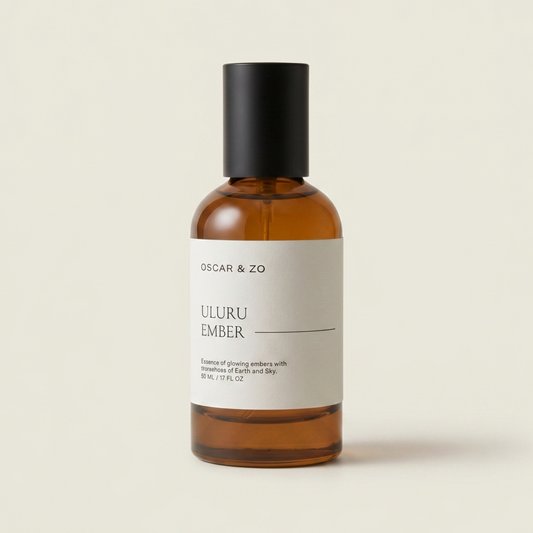
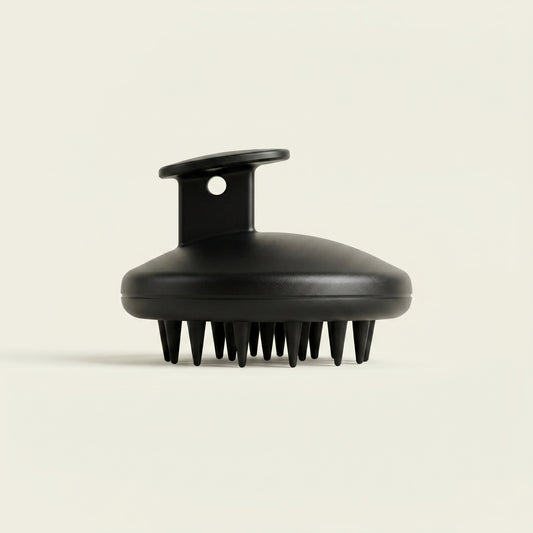
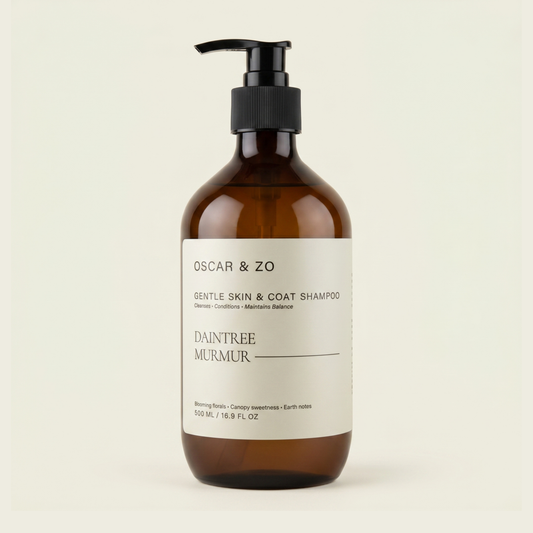
Oscar & Zo: grooming tools
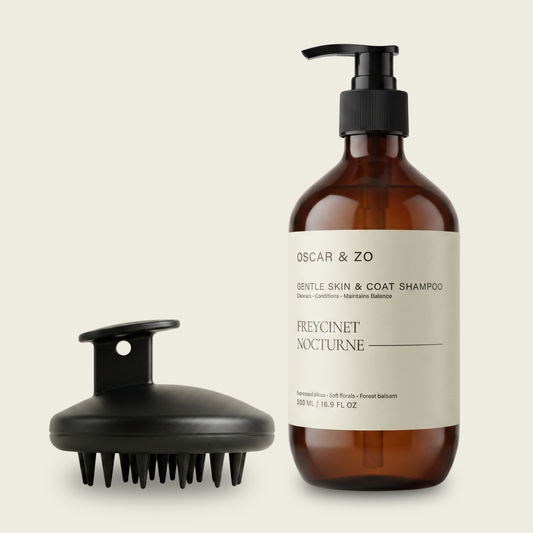
Oscar & Zo offers Grooming Tools for everyday coat care at home. They can support a simple brushing and bathing routine, while professional grooming remains useful for clipping and tasks that need experienced handling.
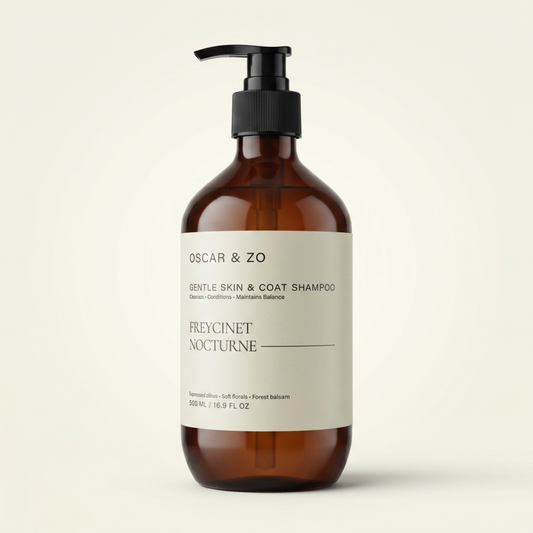
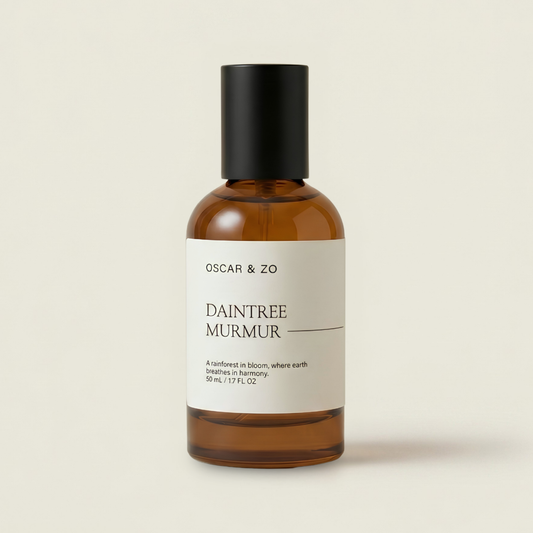
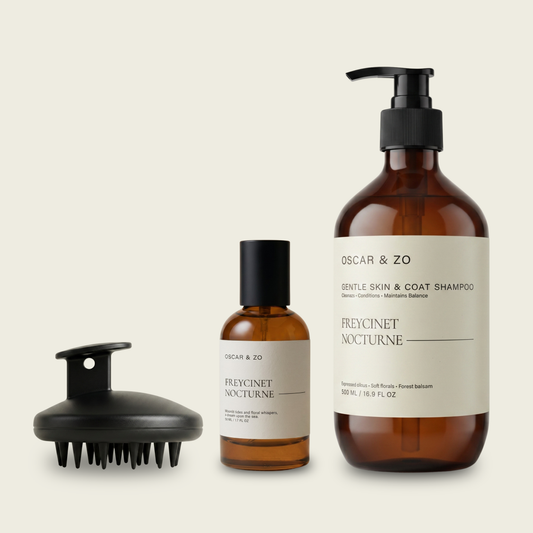
For bath days, Skin & Coat Shampoo is another option in the range. Pet Fragrance and Ritual Sets offer additional ways to shape your dog’s care routine. Choose what fits the tasks you already do, rather than adding products you won’t use.
If you’d like guidance on choosing grooming essentials for your routine, you’re warmly invited to contact Oscar & Zo.
Make your grooming routine work for you
Knowing how to save money on dog grooming is less about doing every task yourself and more about choosing a routine that suits your dog. Make coat care a steady part of home life, while leaving specialist grooming to a professional when needed. A clear routine can make it easier to plan appointments and choose which tools belong in your cupboard.
For at-home care, Oscar & Zo offers Grooming Tools, Skin & Coat Shampoo, Pet Fragrance and Ritual Sets. Choose essentials that suit your dog’s routine and use them with care, without adding steps simply for the sake of it.
Small, thoughtful habits can make caring for your dog’s coat feel calmer and more manageable.
Frequently asked questions
How much does professional dog grooming cost?
Professional grooming prices vary with your dog’s size, breed, coat condition and the work requested. A straightforward wash differs from an appointment involving clipping, deshedding or extra coat care. To understand a quote, compare the same tasks for a dog with similar grooming needs, and consider whether the appointment is mobile or salon-based. This gives you a more useful basis for budgeting than treating one price as a guide for every dog.
How often should you groom your dog at home?
Set a home grooming rhythm around your dog’s coat and the tasks involved. Long-haired and curly-coated dogs, including Cockapoos and Labradoodles, may benefit from brushing several times a week. For bathing, let your dog’s coat condition and daily activities guide when it’s needed, rather than following a rigid schedule. A quick coat check after muddy walks can help you decide whether brushing, rinsing or a full bath is appropriate.
What is the average cost of dog grooming in Australia by breed and size?
There isn’t one useful grooming average for every breed and size, because appointment prices reflect more than a dog’s weight. A small dog needing a wash may require different work from a large, curly-coated dog needing clipping and coat preparation. Breed can indicate coat type, but condition and requested tasks matter too. For a realistic budget, compare quotes for the same service and describe your dog’s coat clearly.
How much do Australian dog groomers charge for a wash, haircut, nail trim and deshedding?
Charges depend on the tasks included and the time and care your dog’s coat requires. A wash-only service isn’t comparable with a package that adds a haircut, nail trim and deshedding. Ask for the total in A$ for the exact combination you want, then compare the same combination across quotes. If a task is optional, consider whether your dog needs it for that appointment or could have it separately.
How can regular brushing and coat care reduce dog grooming costs?
Consistent coat checks can help you spot small tangles before the next appointment. After brushing, run your fingers through your dog’s coat and look for knots around the collar or legs. Keeping track of where tangles form helps focus home care on those areas and may reduce the need for extra detangling during professional grooming.