


Matting in Curly-Coated Dogs: Preventing Knots and Handling Existing Mats

A coat can look soft and tidy while a small knot forms close to the skin. Preventing matting in curly coated dogs starts with regular, gentle brushing, checking areas where the coat rubs, and drying it thoroughly after a swim or bath.
Curly coats can trap loose hair, dirt and moisture, allowing tangles to twist together and tighten into mats. Early knots are easy to miss, especially behind the ears, under the legs and around the collar. A calm, consistent routine helps you find them while they’re still manageable.
This guide explains how mats form and how to adapt brushing to your dog’s coat, including after wet-weather outings. You’ll learn when regular grooming appointments can help, how to approach a small tangle gently, and when it’s safer to leave a mat to a professional.
Key Takeaways
- Brush your dog before swimming or bathing, then dry the coat thoroughly and comb through it to find knots.
- Adjust brushing to your dog’s coat, checking friction-prone spots regularly where loose hair and moisture can gather.
- Regular grooming appointments can help maintain a manageable coat, especially when it’s long or prone to tangling.
- Avoid cutting mats out with scissors. Deep or tight mats can pull on the skin and are best handled by a professional groomer.
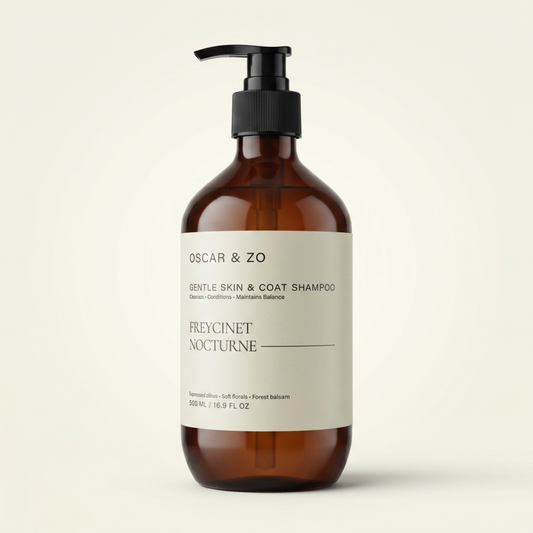
- Oscar & Zo Skin & Coat Shampoo can be part of a considered bathing routine; thorough rinsing and careful drying still matter.
1. Brushing and drying dogs after swimming or getting wet
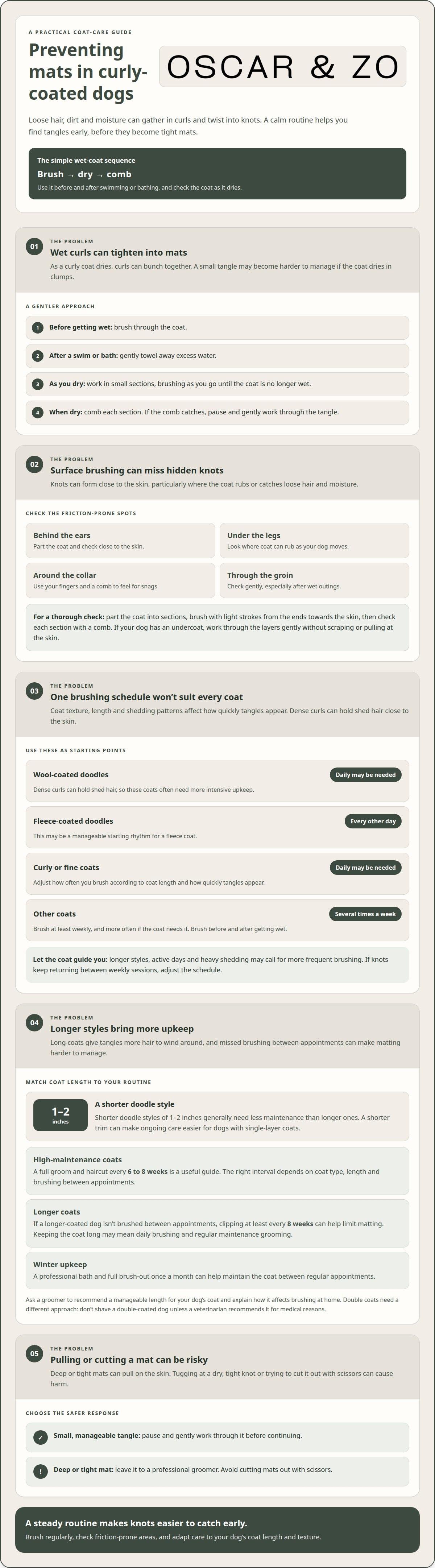
Water can make curls bunch together as the coat dries, turning a small tangle into a tighter mat. Brush through the coat before a swim or bath, then dry it thoroughly and brush again. Brush your dog at least weekly, as well as before and after getting wet.
For a longer coat, gently remove excess water with a towel, then dry it until it is no longer wet. Work in small sections and brush as you dry, rather than letting curls dry in clumps. Afterwards, pass a comb through each section. If it catches, pause and gently work through the tangle before moving on.
Choose a tool that suits your dog’s coat. A slicker brush can lift loose hair and ease tangles, while a rotating-pin comb may suit a single-layer curly coat. Curly or fine coats may need daily brushing; other coats may need brushing several times a week. Let coat length and how quickly tangles appear guide your routine.
Part the coat into sections and brush with light strokes from the ends towards the skin. Check each section with a comb, including close to the skin, where surface brushing can miss knots. If your dog has an undercoat, work through the layers gently without scraping or pulling at the skin. A comb can reveal compacted hair that a brush may pass over.
Daily checks make small tangles easier to spot. Gently run your fingers and a comb behind the ears, under the legs, around the collar and through the groin. These high-friction areas can knot as your dog moves. A light mist of dog detangling spray may help before brushing; don’t tug at a dry, tight knot.
How often should curly-coated dogs be bathed and conditioned? There’s no single interval for every dog: coat type, activity and how dirty the coat gets all matter. Bathe when needed, rinse shampoo thoroughly and use a dog-specific conditioner according to its directions.
After beach play, rain or a bath, check the coat as you dry it, rather than waiting until it feels fully dry. This simple sequence, brush, dry, comb, helps you find a snag before it tightens. If knots keep returning between weekly sessions, adjust the brushing schedule.
2. How do you prevent mats from forming?
Preventing matting in curly coated dogs starts with understanding how each coat holds loose hair. Curly and fine coats can trap shed hairs close to the skin, while long coats give tangles more hair to wind around. Movement can twist caught strands together. Coat texture, length and shedding patterns all affect how much care a dog needs.
Wool-coated doodles often need more intensive upkeep than fleece-coated doodles. Dense curls can hold shed hair within the coat, so daily brushing may be needed to reduce tangling. Fleece coats may be manageable with brushing every other day. These are starting points, not fixed rules: a longer style, active lifestyle or heavy shedding may call for more frequent care.
Mats can also form when dirt and debris become caught in the coat, or when moisture combines with loose hair. Regular grooming helps keep the coat clean and free of tangles. Rinse thoroughly after bathing, as shampoo residue can attract dirt. Keep the coat in good condition and adjust the routine when its texture or length changes.
Consider coat length as part of your prevention plan. A shorter trim can make ongoing care easier for dogs with single-layer coats. Shorter doodle styles of 1-2 inches generally need less maintenance than longer ones. If you prefer a longer look, plan for the extra upkeep it brings. A groomer can help you choose a manageable length for your dog’s coat.
Double coats need a different approach from single-layer coats. Don’t shave a double-coated dog unless a veterinarian recommends it for medical reasons. A haircut that reduces tangles in one coat type may not suit another. If you’re unsure whether your dog has a single or double coat, ask a groomer to explain its structure before deciding on a trim.
Make the routine fit the coat you have, rather than aiming for one style or schedule for every dog. Note whether tangles are most common in a dense wool coat, a fine coat or longer hair, then discuss a practical length and maintenance plan at grooming visits. The right grooming tools can support that routine, but they don’t replace choosing a suitable coat length or keeping up with regular care.
3. Professional grooming and maintenance appointments
A professional groomer can help keep a curly coat manageable by removing excess length and checking areas that are difficult to reach at home. For high-maintenance coats, a full groom and haircut every 6 to 8 weeks is a useful guide. The right interval depends on coat type, length and how consistently the coat is brushed between appointments.
Long coats need more frequent attention than shorter trims. If a longer-coated dog isn’t brushed between appointments, clipping at least every 8 weeks can help limit matting. Keeping a coat long may also mean daily brushing and regular maintenance grooming. Talk with the groomer about a length that suits your dog’s coat and your home routine, rather than choosing a style by appearance alone.
Seasonal conditions can change your routine. Rain and humidity can make fur clump together, while mud and swimming leave the coat damp or dirty. After these outings, take care to dry and brush your dog’s coat to help reduce tangles. In winter, a professional bath and full brush-out once a month can help maintain the coat between regular appointments.
At a grooming appointment, describe your dog’s usual activities, coat texture and brushing routine. For example, a dog that swims often or plays in wet grass may benefit from a more practical trim than one with a shorter, lower-maintenance coat. Ask the groomer to recommend a suitable length and explain how it affects brushing at home. This helps you maintain the style between visits.
A grooming appointment is also a chance to catch tangles before they become difficult to manage. Mention any knots behind the ears, under the legs or around the collar. The groomer can assess whether they can be worked through gently or whether the coat needs shortening. Regular visits support coat maintenance, but don’t replace checking and brushing at home.
Seek professional help if dense mats cover the undercoat so you can’t reach the skin. Don’t force a brush through tight matting, as pulling can hurt your dog. A groomer or veterinarian can assess the safest way to remove it. If the skin beneath a mat looks sore, or your dog reacts strongly when touched, speak with your veterinarian.
For a curly-coated dog, choose a grooming schedule that fits its coat and care routine. Note how quickly tangles return after each groom, then discuss changes with your groomer. A shorter trim, more frequent appointments or a different maintenance plan may make the coat easier to care for.
4. Brushing or cutting out mats: do or don't?
A small, loose tangle may be manageable at home, but a tight mat needs a gentler assessment. Mats pull on the skin and can cause discomfort and irritation. As they tighten, brushing harder can increase tension rather than loosen the knot. Aim to remove only what separates easily, without pulling at the skin or distressing your dog.
For an isolated, loose mat, choose a calm moment when your dog can stand or lie comfortably. Apply a dog-safe conditioning or detangling spray, then use your fingers to tease apart the outer edges. Work in small sections, moving from the edge towards the centre. Pause if your dog pulls away, stiffens or seems uncomfortable. A dematting tool can break up mats, but still requires a light touch.
Don’t cut out a mat with scissors. Curly coat can hold skin close beneath the knot, making it difficult to tell where the mat ends. If your dog moves suddenly, the blades can puncture or cut the skin. Cutting into a mat also hides what lies underneath. Keep scissors away from mats, particularly around sensitive areas such as the ears, armpits and groin.
Leaving a mat untreated can make it harder to remove as loose hair and tangles continue to compact. Dense mats may tug each time your dog walks or turns, causing ongoing discomfort. They can also conceal skin changes and parasites, as the RSPCA advises. Check beneath and around a mat only if you can do so gently; don’t pull it aside if it feels tight or painful.
If a mat is close to the skin, covers a broad area or resists gentle separation with your fingers, stop. A professional groomer can assess whether careful clipping or shaving is the kindest option. Deep mats may need to be shaved because removing them another way can cause more discomfort. If the undercoat is completely matted and you can’t reach the skin, seek help from a groomer or veterinarian.
Once a loose tangle has separated, comb through the area gently and check that the hair moves freely. Return to your usual brushing routine, paying attention to where the mat formed. If the skin looks irritated or broken, stop grooming there and speak with your veterinarian. A healthy coat routine should never involve forcing a brush through a painful knot.
For severe matting, don’t attempt home clipping or repeated brushing. An uncomfortable dog may wriggle, and clippers used close to the skin can cause injury in unsteady hands. Professional removal gives the groomer a clearer view of the coat and skin, with your dog’s comfort guiding each step.
5. How mats form and common friction areas
A mat forms when loose hair, dirt or debris catches in the coat and twists together. Curly coats can hold shed hairs rather than letting them fall away, while movement adds friction that tightens tangles. Moisture from rain, swimming or wet grass can make curls clump and lock together. Poodles, Bichons and Portuguese Water Dogs have soft, curly coats that can be prone to mats.
Friction makes certain spots more vulnerable than the rest of the coat. Behind the ears, hair rubs against itself as a dog turns its head or rests. Under the legs and in the armpits, movement repeatedly presses coat against skin. A collar can rub and trap loose hair around the neck, while the groin and stomach are exposed to movement, moisture and debris.
Check beyond the obvious spots. Gently run your fingers behind each ear, between the toes, through the armpits and along the backs of the legs. Look around the bottom, stomach and collar area, too. The topcoat may look smooth while a small knot develops underneath, particularly where dense curls sit close to the skin.
A simple daily check helps you find tangles before they become compact mats. Part the coat in high-friction areas and look towards the skin, then gently pass a comb through the section. If it catches, stop and inspect the snag rather than pulling. A brief check after walks, beach visits or muddy play can reveal debris caught around the legs and belly.
Notice patterns as well as individual knots. If mats repeatedly appear behind one ear, check whether the collar or harness rubs that area. If the legs tangle after outdoor play, moisture or plant debris may be contributing. These observations help you focus brushing where your dog needs it, rather than spending equal time on every part of the coat.
Keep your dog comfortable during each check. Choose a quiet moment, such as after a walk when your dog is settled, and handle one area at a time. Gently lift the collar to inspect the hair beneath it, then check the armpits and groin without stretching the skin. If your dog moves away or an area seems sore, pause rather than forcing the inspection.
After regular grooming visits, note where the coat first begins to tangle as it grows out. This can help identify friction points and guide your next coat check. A consistent routine of looking, feeling and gently combing these areas makes early knots easier to spot and helps you respond before they tighten.
Oscar & Zo: Skin & Coat Shampoo
Oscar & Zo Skin & Coat Shampoo can be part of your dog’s regular bathing routine. For a curly coat, bathing is only one step: rinse thoroughly, dry the coat carefully and comb through it to check for tangles. Shampoo won’t remove established mats, so leave tight knots to a professional groomer rather than pulling at them during bath time.
Choose a bathing routine that suits your dog’s coat and how often it gets dirty. After muddy play or a swim, focus on removing dirt and moisture, then check friction-prone areas such as behind the ears and under the legs. If you’re unsure how to make bathing fit your dog’s coat-care routine, you’re welcome to contact Oscar & Zo for guidance.
Make coat care a calm, lasting habit
Your dog’s coat can change with the seasons, activity and the length you choose to keep it. Let those changes guide small adjustments to your care routine, so grooming stays comfortable for both of you. A few quiet minutes together can also help your dog become familiar with being handled, making coat care feel more like a shared ritual than a chore.
Preventing matting in curly-coated dogs is an ongoing practice, not a perfect finish to achieve. Notice what works for your dog, adjust when their coat or routine changes, and seek professional help when a knot is beyond gentle home care. Thoughtful, consistent attention can make the next step clearer.
Connect with Oscar & Zo for coat-care guidance, and keep building a routine that feels manageable for you and comfortable for your dog.
Oscar & Zo for Curly-Coat Grooming
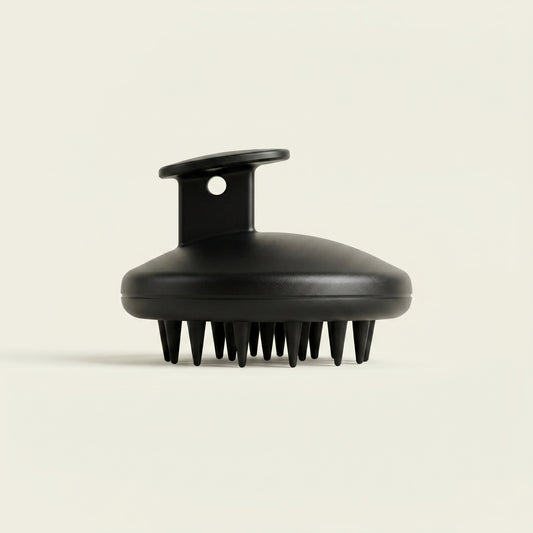
Oscar & Zo offers Skin & Coat Shampoo, Grooming Tools and Ritual Sets for your dog’s grooming routine. Once you’ve established regular brushing and coat care to help prevent matting, these products can support your everyday routine.
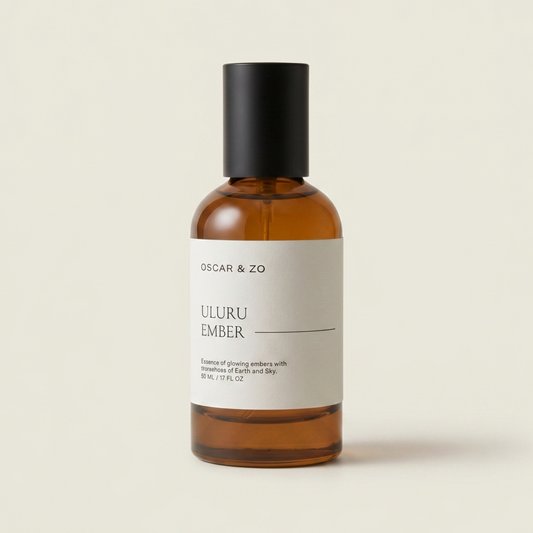
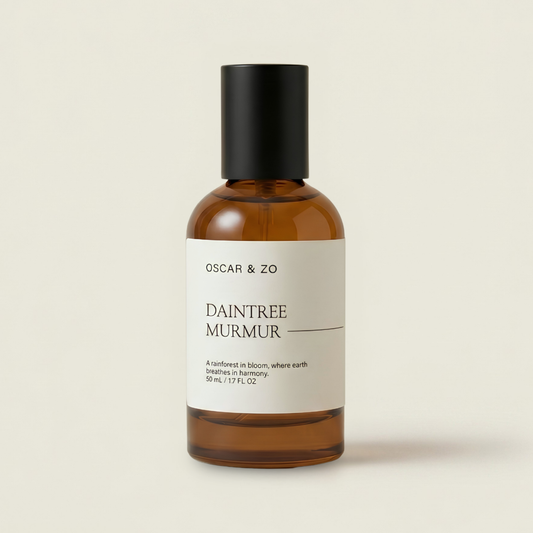
Explore the Discovery Set or Pet Fragrance as part of your Oscar & Zo selection.
Frequently Asked Questions
What is matting?
Matting is a compact knot of hair that has twisted and become difficult to separate with gentle brushing. Unlike a loose tangle, a mat can sit close to the skin and pull as your dog moves. In curly coats, shed hairs may become caught among curls and combine with dirt or moisture. A mat can conceal the skin beneath it, so don’t pull it apart if it feels tight.
Brushing or cutting out mats: do or don’t?
Brush only a small, loose tangle that can be eased apart without pulling your dog’s skin. Don’t cut out a mat with scissors: curly hair can hold skin close to the knot, and a sudden movement can cause injury. If a mat is dense, close to the skin or uncomfortable to touch, stop and seek help from a professional groomer or veterinarian.
How do you prevent mats from forming?
Prevent mats by matching brushing to your dog’s coat and checking for snags between full brush-outs. Part a curly coat and use a comb to check whether the hair near the skin moves freely. Brush before and after swimming, rain or a bath, and dry the coat thoroughly. If knots keep returning, consider whether coat length, outdoor activities or brushing frequency needs adjusting.
What causes mats?
Mats form when loose hair, dirt or debris gets caught and twists together. Curly coats can hold shed hairs within their curls, while movement adds friction. Moisture from a bath, rain or swimming can make hair clump and tangles tighten. Without regular brushing, loose hairs can build up, particularly where the coat rubs against a collar or the dog’s legs.
What dog breeds are more at risk of getting mats?
Dogs with curly, long or fine coats are more prone to tangling and matting. Poodles, Bichons and Portuguese Water Dogs are examples of breeds with soft, curly coats that can be susceptible. Individual coat texture and length matter, too, including in crossbreeds. A dog that swims often or sheds into a curly coat may need closer attention than one with a shorter, easier-to-manage coat.
What should you avoid doing during mat removal?
Avoid pulling a mat from the root, brushing forcefully or using scissors on a knot. These approaches can tug at the skin or cause injury, especially if your dog shifts suddenly. Stop if your dog becomes distressed or the mat feels firmly attached. For a tight knot, particularly close to the skin, let a professional groomer assess how to remove it with less discomfort.
When do mats tend to form?
Mats can develop when loose hair, friction and debris collect in the coat. They may tighten after swimming, bathing, rain or play on wet grass, especially if the coat dries in clumps. Shedding can also leave loose hairs trapped in curls. Check your dog after these activities and as the coat grows longer, when tangles can be harder to spot beneath the surface.
Where are you likely to find mats on your dog?
Check behind the ears, under the legs, in the armpits, around the collar, and across the groin, stomach and bottom. Mats can also form between the toes and along the backs of the legs. These spots experience rubbing or collect moisture and debris. Gently feel through each area while your dog is relaxed, and stop if the skin seems sore or your dog reacts uncomfortably.