


How to Use a Slicker Brush to Remove Tangles and Debris

Regular brushing can help manage loose hair, tangles and debris. Dogs with curly, long or high-shedding coats may benefit from daily brushing. Understanding what a slicker brush is used for makes it easier to choose the right brush and use it gently.
It’s natural to want a smooth coat without making grooming uncomfortable. A slicker brush is used to lift loose hair and help loosen small tangles, but technique matters: brush in the direction the coat grows and use a light touch. This guide explains how to work through tangles and debris, choose a brush and comb for your dog’s coat, and build a calm, manageable brushing routine.
Key Takeaways
- Use a slicker brush to loosen tangles and lift loose hair and debris, especially from medium, long, curly or double coats.
- Choose pin length and flexibility to suit your dog’s coat, and use a gentler touch on short or fine hair.
- Brush in the direction the coat grows with light, steady strokes. Avoid pressing hard or working repeatedly over one spot.
- For most dogs, brush 2-3 times a week; curly, long or high-shedding coats may benefit from daily grooming.
- After brushing, use a comb to check for remaining snags, starting with its wider teeth before moving to the finer teeth.
Q: Why are the pins on my Everyday Slicker Brush angled?
Angled pins move through the coat as you brush, catching loose hair and small tangles without scraping directly across the skin. Their fine, closely spaced design is especially useful for medium and long coats, where loose undercoat can become trapped and contribute to matting.
Can you use a slicker brush on cats? Yes, use one gently on a cat’s coat, particularly where longer hair tangles. Keep strokes light, avoid sensitive areas, and stop if your cat shows discomfort.
What are the risks of slicker brush burn or skin irritation? Pressing hard or repeatedly brushing the same patch can cause discomfort and irritation. Use light strokes, check the skin as you work, and pause if you notice redness or your dog reacts.
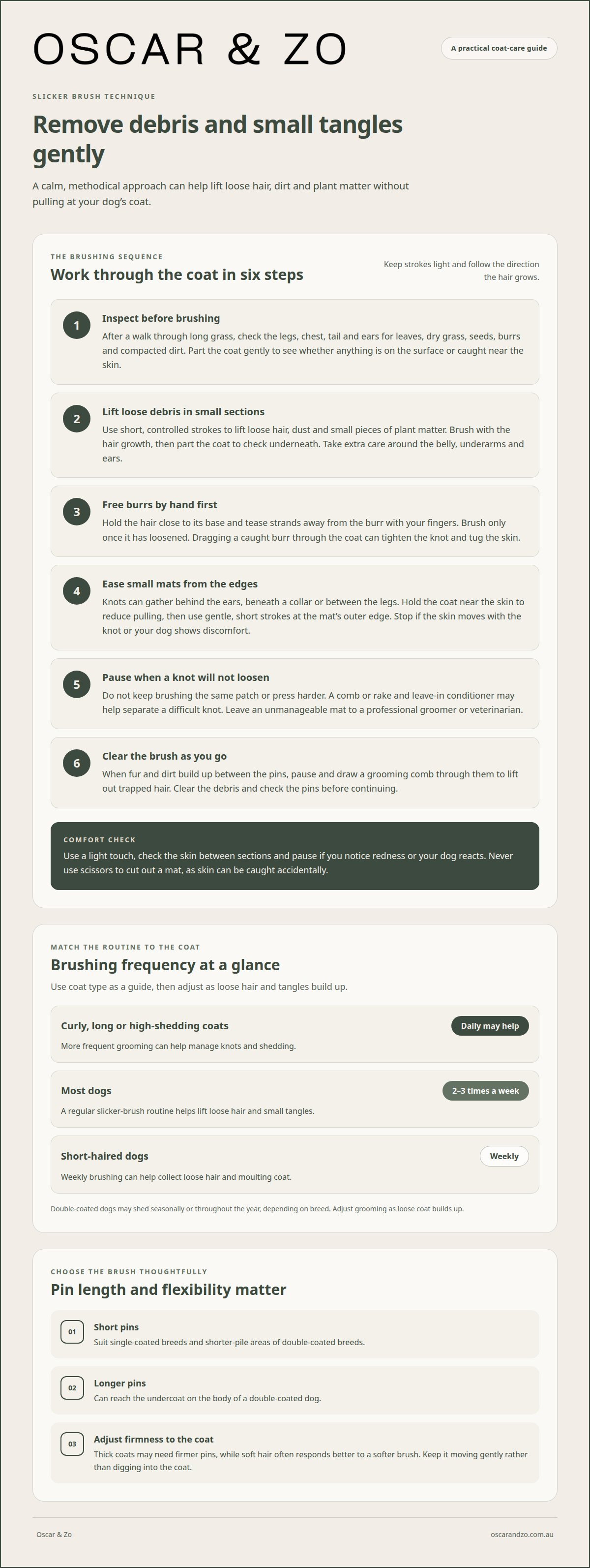
- Match the brush to the coat. Slicker brushes are particularly suited to curly, long and double coats, and can also be useful for many medium coats. For example, a curly coat can hold loose hair close to the skin, while a double coat has both an undercoat and a top coat to groom. Choose pin length and flexibility according to coat density and length.
- Choose pin length for the area. Short pins suit single-coated breeds and shorter-pile areas of double-coated breeds. Longer pins can reach the undercoat on the body of a double-coated dog. A thick coat may need firmer pins, while soft hair often responds better to a softer brush. Keep the brush moving gently instead of digging into the coat.
- Work through the coat in sections. On a double-coated dog, part the hair and brush the undercoat as well as the top coat. This helps lift dead coat that might otherwise remain beneath the surface. Use short, controlled strokes around areas where loose hair, dirt or small pieces of plant matter have collected. Check the skin between sections.
- Set a routine around coat type. For most dogs, brush with a slicker 2-3 times a week. Curly, long or high-shedding coats may need daily brushing to manage knots and shedding. Short-haired dogs are generally brushed weekly for loose hair and moulting. Double-coated dogs may shed seasonally or throughout the year, depending on breed, so adjust grooming as loose coat builds up.
- Keep pressure gentle. Angled pins are designed to pass through the coat, not to be pushed forcefully against the skin. If a knot resists, ease the hair apart in smaller sections rather than repeatedly brushing one spot. A light touch helps remove debris and dead coat while keeping each grooming session more comfortable.
Removing debris, burrs and plant matter
- Inspect the coat before brushing. After a walk through long grass, check your dog’s legs, chest, tail and ears. Look for leaves, dry grass, seeds, burrs and compacted dirt. Separate the coat gently with your fingers so you can see whether debris rests on the surface or has caught near the skin. This quick check helps you choose where to brush and where to work by hand.
- Brush out loose debris in small sections. Use light strokes to lift loose hair, dust and small pieces of plant matter from the coat. Work in the direction the hair grows, then part the coat to inspect underneath. A slicker brush can help remove surface dirt and dead coat, especially from longer or curly hair. Keep strokes controlled around sensitive areas such as the belly, underarms and ears.
- Free burrs without pulling. If a burr catches in the coat, hold the hair close to its base and tease strands away from the plant material with your fingers. Use the brush only once the burr loosens; dragging it through can tighten the knot and tug the skin. For a stubborn burr, work around its edges in small sections rather than brushing harder.
- Ease out small mats gradually. Loose hair and dirt can gather into knots, particularly behind the ears, beneath a collar or between the legs. Hold the coat near the skin to reduce pulling, then use short, gentle strokes at the mat’s outer edge. Stop if the skin moves with the knot or your dog shows discomfort. Don’t use scissors to cut mats, as skin can be caught accidentally.
- Know when a knot needs another approach. A slicker brush can help prevent matting by removing loose hair before it tangles. If a knot will not loosen, don’t keep brushing the same patch. A comb or rake and leave-in conditioner can help separate a difficult knot; an unmanageable mat is best handled by a professional groomer or veterinarian.
- Clear the brush as you work. Fur and dirt collect between the pins, reducing how well the brush moves through the coat. Pause when the head fills, then draw a grooming comb through the pins to lift out trapped hair. Remove the debris before continuing, and inspect the pins for anything caught between them. For a suitable grooming tool, choose one that fits your dog’s coat and routine.
Benefits of brushing and combing
A regular grooming routine does more than smooth the coat. These steps can make brushing useful for your dog’s coat while keeping the experience comfortable for both of you.
- Lift loose hair before it settles around home. Brush through the coat to collect dead hair on the brush instead of leaving it on furniture, bedding and clothing. Daily brushing can help reduce the amount of hair shed around the home. For a dog that sheds heavily, short, calm sessions make it easier to remove loose coat as it appears, rather than waiting for a large amount to gather.
- Finish with a comb to check the coat. After brushing, pass a grooming comb through the hair to find any remaining snags. Start with its wide teeth, then use the finer teeth for detail work. If the comb catches, return to the brush and gently loosen the area before trying again. This final check can help leave a long or curly coat smoother, without forcing the comb through a knot.
- Help distribute the coat’s natural oils. As you brush, the bristles move through the hair and can spread natural oils from the skin along the coat. Use an even, light touch from the body towards the ends. This can help maintain a smooth appearance and a soft feel. Avoid repeated, heavy strokes in one spot, which can make brushing uncomfortable rather than soothing.
- Make coat checks part of the routine. As you work through each section, look at the skin beneath the hair. Notice visible changes such as a cut, sore spot, lump, bump or parasite. Brushing gives you a regular opportunity to see areas usually hidden by a thick or long coat. It doesn’t identify the cause of a change, but it can help you notice when something looks different.
- Brush both layers of a double coat. For a double-coated dog, work through the top coat and undercoat, not just the visible surface. Removing dead hair can help keep loose coat from collecting beneath longer guard hairs. Part the hair in sections and check that the brush reaches the layer you intend to groom. This makes coat care more thorough than brushing only along the back.
- Keep the session gentle and positive. Brushing can become a quiet way to build familiarity through touch and handling. Introduce a puppy to a soft brush gradually, allowing time to experience the sensation. If an adult dog is nervous, brush one small area, offer a treat or reward, then pause. Ending before your dog becomes unsettled helps keep the routine easier to repeat.
Choosing a slicker brush and comb
For medium or long coats, a slicker brush helps remove loose hair and work through tangles. A pin brush or bristle brush may suit other coat types or finishing needs. Choose according to coat length, density and your dog’s comfort.
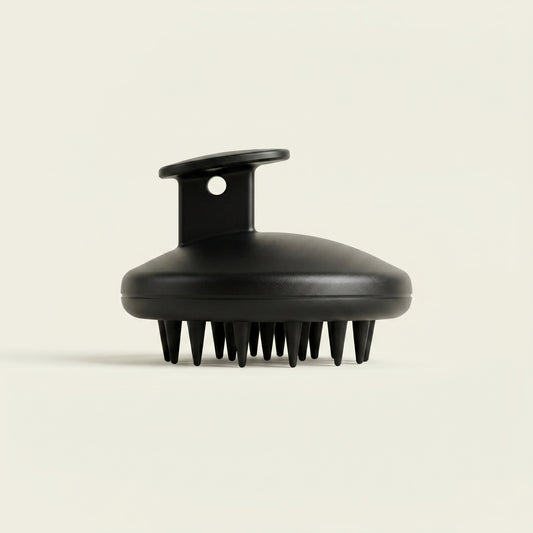
- Match the brush to your dog’s coat. A slicker brush has a broad head with many fine metal pins, often angled to move through the hair. It’s useful for curly, long and double coats, where loose hair can gather beneath the surface. For a short, fine coat, choose a gentler brush and use light strokes because the hair sits close to the skin.
- Consider pin length and flexibility. Short pins suit single-coated breeds and shorter-pile areas of double-coated dogs. Longer pins can reach the undercoat on a double-coated dog’s body. A thick coat may need firmer pins, while softer hair may suit a softer brush. Flexible bases can follow the body’s shape, helping you maintain a gentle touch across areas such as the ribs.
- Choose a brush head that feels manageable. Match the brush size to your dog’s size and the area being groomed. A smaller head can make it easier to work around a small dog’s legs or face; a broader head can cover more coat on a larger dog’s body. Protected tips can be useful around sensitive areas, including the tummy, underarms, face and ears.
- Use a pin brush or bristle brush for different tasks. A pin brush is often used as a finishing brush on long coats, helping smooth the hair and lift surface dirt. A bristle brush suits short-coated dogs, including short, silky coats, to collect loose hair and dander. On a double coat, bristles can smooth the top coat after deeper grooming and help distribute natural oils.
- Pair the brush with a suitable comb. After brushing, start with the comb’s wide teeth, then use its fine teeth for detail work. If the wide teeth snag, return to the slicker brush and gently loosen that section before trying again. This sequence helps check areas behind the ears, beneath the collar and around the legs, where longer hair can tangle.
Using a slicker brush to tackle tangles
Work through knots in small sections, using light strokes in the direction the coat grows. A slicker brush catches loose hair and helps loosen tangles; a comb can reveal any snags that remain.
-
Brush through tangles
Part the coat and begin at the outer edge of each knot, using short, gentle strokes. Hold the hair close to the skin to limit pulling, then gradually work towards the knot’s centre. For a thick coat, separate a small section at a time so the pins can reach tangled hair without dragging across the whole coat.
Check the skin as you work. If the knot tightens, the skin shifts, or your dog shows discomfort, pause instead of pressing harder.
-
Remove loose hair and tangles
Brush one section at a time, following the direction of hair growth. Fine pins catch loose coat and help tease apart small knots, reducing loose hair left behind in the coat. For a double coat, part the top layer and work through the undercoat too.
Remove collected fur when it starts filling the spaces between the pins. Then use a comb to check the brushed section for any remaining snags.
- Use a comb to guide the next pass. Start with the comb’s wide teeth after brushing, then try the finer teeth for detail. If the comb catches behind an ear or beneath a collar, don’t force it through. Return to the slicker and ease the knot apart in smaller sections before checking again.
- Adjust for a dense or curly coat. Longer pins can reach further into a thick coat, while pin length and flexibility should suit the hair being groomed. Keep strokes light, especially where the coat lies close to the body. Avoid brushing repeatedly over one spot, since too much pressure can cause discomfort.
- Stop when a knot won’t loosen. A difficult mat may need leave-in conditioner and a comb or rake to help separate the hair. Don’t cut a knot out with scissors, as skin can be caught beneath the fur. If the mat remains tight, seek help from a professional groomer or veterinarian.
- Make the routine easy to repeat. Introduce the brush gradually and reward calm handling with a treat. For a nervous dog, work on one small area, pause, then continue when they’re settled. Continue your dog’s coat-care routine with a calm, considered approach.
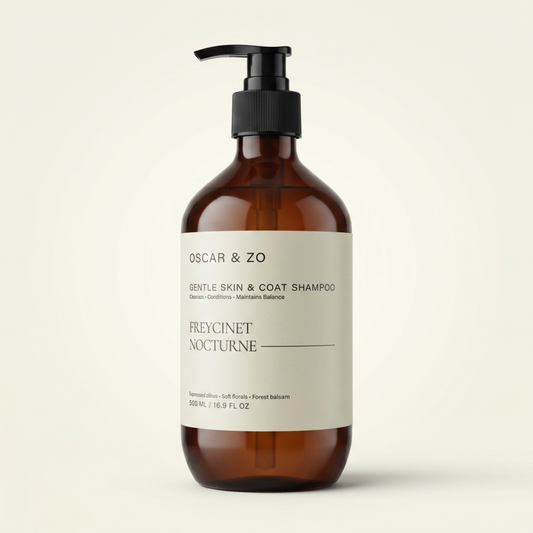
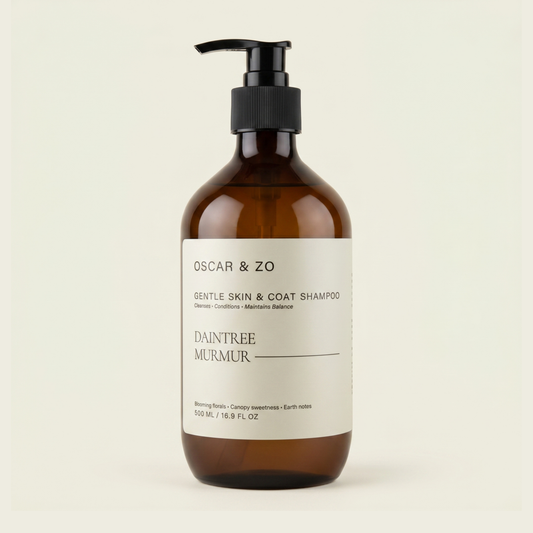
Oscar & Zo: Skin & Coat Shampoo
Oscar & Zo Skin & Coat Shampoo can complement brushing when your dog needs a bath after outdoor play or everyday dirt. Brushing lifts loose hair and debris; shampoo is a separate bathing step in coat care. Use it as part of a considered routine, not as a substitute for easing out knots with a brush and comb.
After bathing, let your dog’s coat dry comfortably before brushing, and use gentle strokes around sensitive areas. If you have a persistent concern about your dog’s skin, speak with your veterinarian for advice suited to your pet.
For a considered addition to your dog’s bathing routine, explore Oscar & Zo Skin & Coat Shampoo.
Make coat care a gentle ritual
Let your dog’s response shape the routine. A quiet moment after a walk, a calm pause before bedtime, or a few minutes together on the weekend can make coat care feel familiar rather than hurried. Knowing what a slicker brush is used for helps you decide how it fits into your dog’s day and wider grooming routine.
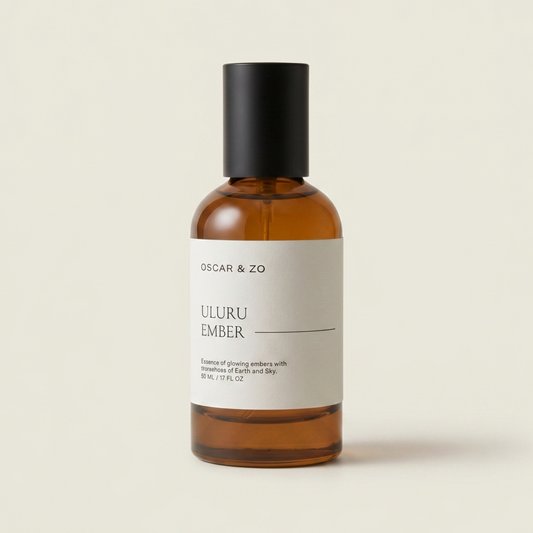
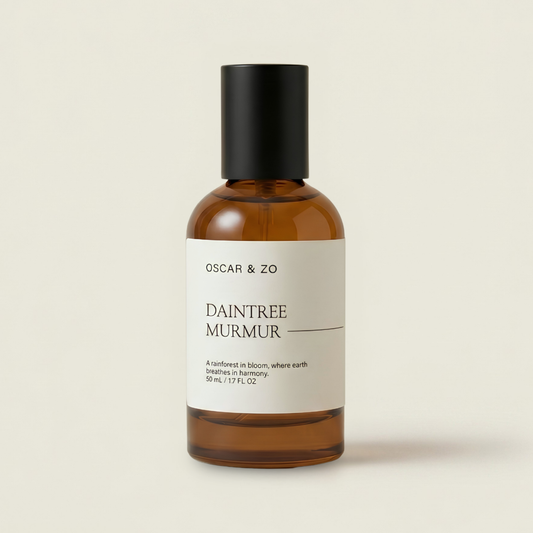
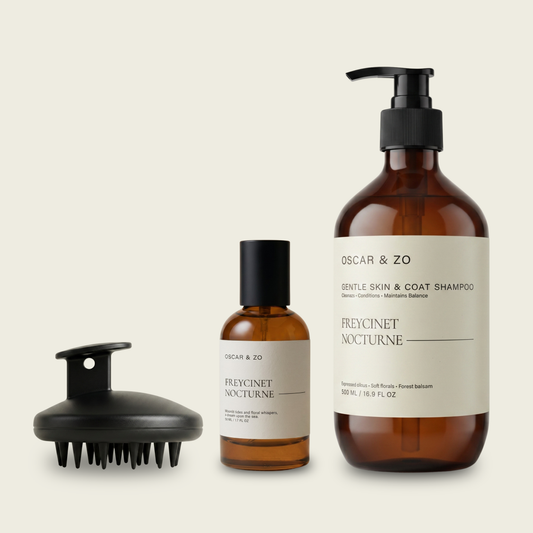
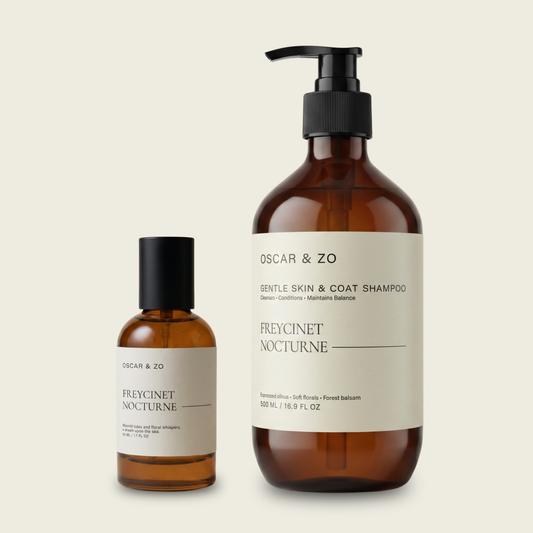
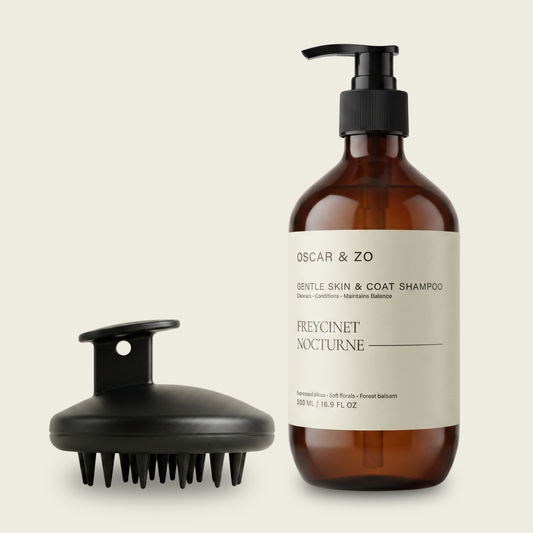
For bath time, Oscar & Zo offers Skin & Coat Shampoo. Pet Fragrance and Ritual Sets can also complement your everyday pet-care routine. Choose what feels useful for your household, and keep your dog’s comfort at the centre of each interaction.
Explore Oscar & Zo’s grooming and care offerings, and take the next step towards a routine that feels calm, consistent and suited to your dog.
Frequently Asked Questions
How often should I brush my dog?
Let your dog’s coat condition guide the routine. After brushing, notice whether a comb moves through comfortably and whether small knots return before the next session. If they do, consider what has changed, such as a new harness, a coat trim or seasonal shedding. Give those areas appropriate attention rather than brushing harder or automatically adding longer sessions.
Any extra tips for brushing success?
Prepare the grooming area before inviting your dog over. Set out the brush, comb and treats, and choose a space with enough room to move calmly around your dog. Remove a collar or harness if it covers the area you need to groom. Keeping everything close helps you avoid leaving your dog mid-session to find a tool.
Why are the pins so close together?
Pin spacing describes how closely the pins sit across the brush head; pin length determines how far they reach into the coat. Closely spaced pins can engage fine strands and cover the coat with each pass. For thicker hair, consider reach as well as spacing: a densely packed head alone may not reach deeper layers.
What is a slicker brush used for on dogs?
On dogs, a slicker brush is a dry-grooming tool for routine coat maintenance between baths. It can help tidy a coat that holds loose hair or picks up small debris during a walk. It isn’t a shampoo applicator or a tool for cutting out tight mats. After a dry outing, brush only the areas that need attention, then inspect the coat.
Which dog coat types are suited to a slicker brush?
Wire-coated dogs may also benefit from a slicker brush for routine coat care. Coat texture and trimming affect how the pins move, so a dog with mixed lengths may need different care across its body. For example, leg feathering can collect more debris than closely clipped areas. Choose the brush for the section you’re grooming, not just the breed.
How to use a slicker brush without hurting a pet
Before grooming, inspect the pins for bent or rough wires that could catch hair. Place your dog on a secure, non-slip surface and gently support a leg or ear if you need to work nearby. Avoid brushing over sore or irritated skin. Stop if your pet yelps or pulls away, and speak with your veterinarian about skin changes.
How often should you use a slicker brush?
Use the coat’s condition to guide care between grooming sessions. If knots return quickly or loose hair builds beneath the outer coat, review your routine and the areas you brush. Changes in coat length, weather or daily activities can affect what needs attention. If the coat remains difficult to manage despite regular care, a professional groomer can advise on maintenance.
How to choose the right slicker brush size and pin type
Choose a brush head you can guide around your dog’s shape without the handle repeatedly bumping their body. Pin length should suit the coat’s depth, while flexibility affects how the head responds as you move. Check how the brush feels in your hand before grooming, and use controlled strokes rather than testing pressure on your pet. Protected tips can be helpful around delicate areas.