


Human Shampoo on Dogs: When It Can Irritate Skin and What to Use Instead

A shampoo that leaves your own hair feeling clean can be the wrong match for your dog’s skin. Human shampoo can disrupt a dog’s skin balance, so understanding why human shampoo is bad for dogs starts with the difference in their skin pH: a dog’s is around 6.5 to 7.5 on the 0 to 14 pH scale. That disruption may leave skin dry, itchy or flaky.
It’s understandable to reach for what’s already in the bathroom, especially when your dog needs a quick clean. This guide explains why human shampoo can irritate, what to use for regular baths and what gentle option to choose if dog shampoo isn’t at hand. You’ll also learn when a rinse with water is the kinder choice, and when ongoing skin irritation calls for advice from your veterinarian.
Key Takeaways
- Human shampoo isn’t a good regular choice for dogs because their skin has a different pH balance. A water rinse is a gentler temporary option when dog shampoo isn’t available.
- Fragrance, cleansing ingredients and shampoo residue may contribute to dryness, itching or redness. Notice how your dog’s skin and coat respond after a bath.
- Choose a shampoo made specifically for pets, and follow its directions so it rinses cleanly from the coat.
- Dogs’ coats and hair follicles differ from human hair, which affects how bathing and rinsing work. A calm, thorough rinse helps remove leftover product.
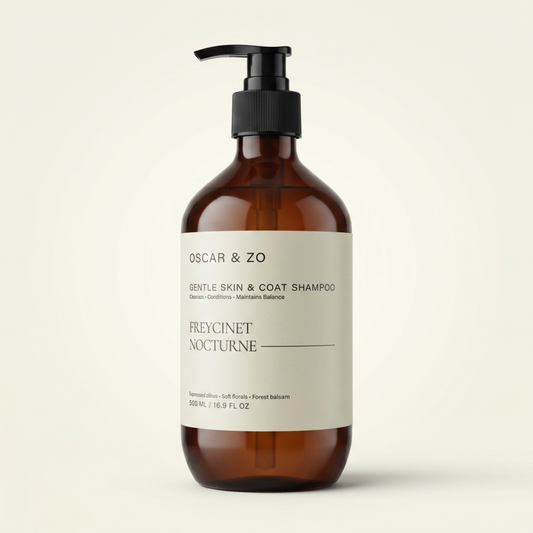
- Oscar & Zo Skin & Coat Shampoo offers a pet-specific option for your dog’s bathing routine; persistent irritation is a reason to speak with your veterinarian.
Can You Use Human Shampoo on Dogs?
Human shampoo isn’t recommended for routine dog bathing because human and canine skin have different pH ranges. If you accidentally use it, rinse your dog’s coat thoroughly with lukewarm water.
Human and Dog Skin pH
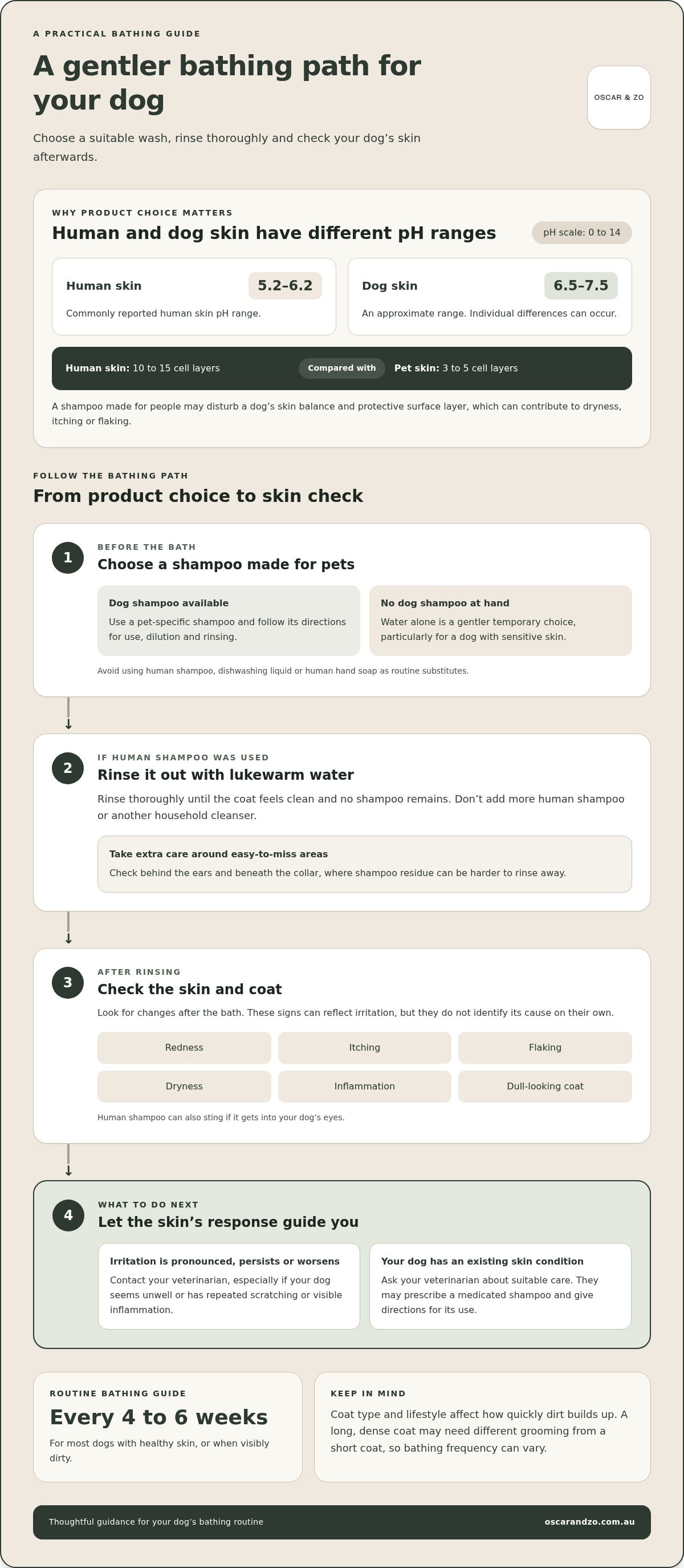
Skin pH describes how acidic or alkaline the skin’s surface is, on a scale from 0 to 14. Human skin is commonly reported at pH 5.2 to 6.2, while dog skin is around 6.5 to 7.5. These different ranges matter because a shampoo designed for human skin may disturb a dog’s skin balance.
Reported figures vary: another human skin range is 4.5 to 5.5, while most dogs’ and cats’ skin sits around 6.2 to 7.2. Breed differences matter too, with some dogs and cats ranging from pH 5.5 to 9.1. These values are guides, not a single target that fits every dog.
Human and dog skin differ, so products suited to people may not suit dogs. Human skin has 10 to 15 cell layers, compared with 3 to 5 in pets. Bathing with shampoo can wash away the acid mantle, a thin protective layer that helps maintain hydration and guard against germs. Moisturisers in shampoo help protect skin until that layer forms again.
Responding to Accidental Shampoo Use
If human shampoo is still on your dog’s coat, rinse with lukewarm water until the coat feels clean and no shampoo remains. Don’t add more human shampoo or another household cleanser. If dog-specific shampoo isn’t available, water alone is a gentler temporary choice, particularly for a dog with sensitive skin.
After rinsing, watch for redness, itching, flaking or inflammation. Human shampoo can also sting if it gets into your dog’s eyes. Contact your veterinarian if irritation is pronounced, persists or worsens, or if your dog seems unwell.
Most dogs with healthy skin can be bathed every 4 to 6 weeks, or when visibly dirty. Coat type and lifestyle affect how quickly dirt builds up, so a long, dense coat may need different grooming from a short coat. Grooming frequency is not the same as bathing frequency: Moneysmart notes that grooming may be needed as often as every eight weeks or only a couple of times a year.
Human shampoo can alter a dog’s skin pH, increasing the risk of flaking, dryness and infection; veterinary dermatologists do not recommend using it on dogs. For emergency use, dilute it with 10 parts lukewarm water (1:10). Baby shampoos typically have a pH of 5.5-6.0.
Why human shampoo can irritate dogs' and cats' skin
Human shampoo can leave a dog’s skin dry, itchy or irritated, particularly with repeated use. The effects may involve cleansing ingredients, natural oils and the protective skin barrier.
How Human Shampoo Irritates Pet Skin
Human shampoo may irritate dogs’ and cats’ skin because its cleansing action and formula are designed for human hair and skin. Bathing with soap washes away the acid mantle, the thin surface layer that helps retain hydration and protect against germs such as bacteria and viruses. A pet’s skin may feel dry or uncomfortable as that protection is disturbed.
Leftover shampoo can add to the problem. Human shampoo may be harder to rinse from a dog’s coat, allowing residue to remain close to the skin. Dense areas, such as behind the ears or beneath the collar, can be easy to miss while rinsing.
Skin Barrier Damage from Repeated Exposure
The skin barrier helps limit moisture loss and shield the skin from irritants. Repeated washing with a product that doesn’t suit a pet may strip natural oils and moisture, leaving the coat dull and the skin more prone to dryness and itching.
When the barrier is disrupted, irritation can make scratching more likely. That discomfort can contribute to inflammation and may leave skin more vulnerable to bacterial, fungal or yeast infections. This doesn’t mean every human-shampoo bath causes an infection, but repeated use is best avoided.
Human Shampoo Ingredients and Dog Skin
Ingredients in human shampoo can affect a dog’s skin differently. Fragrances, colours, preservatives, sulfates and parabens may trigger reactions in some dogs. Watch for redness, itching or flaking, and note the product used and where the changes appear.
Dishwashing liquid and human hand soap aren’t suitable substitutes for routine dog bathing. Dishwashing soap can strip natural oils from dogs’ and cats’ skin, reducing hydration and the skin’s ability to fend off bacterial, yeast and allergic irritants. Choose a shampoo made specifically for pets instead.
Symptoms After a Human Shampoo Wash
After a wash, look for redness, itching, flaking, inflammation, dryness or a dull-looking coat. Human shampoo can also sting if it gets into a dog’s eyes. These signs can reflect irritation, but they don’t identify its cause on their own.
If your dog already has allergies, dermatitis, eczema or an infection, their skin may need more considered care than a general bathing product can provide. A veterinarian may prescribe a medicated shampoo for an active infection or another health issue. Follow their directions for the product and bathing routine.
Persistent or worsening irritation, repeated scratching or visible inflammation deserves veterinary attention. A veterinarian can assess the skin and recommend suitable care, including whether a prescribed shampoo is appropriate. Avoid trying multiple human products, as extra washing may further remove protective oils.
Choosing shampoos formulated for pets
Choose a gentle shampoo formulated specifically for pets, rather than a human product. For a dog with healthy skin and coat, a general pet shampoo may suit routine bathing. A dog with sensitive skin or an existing condition needs more careful product selection.
Start with the label. Check that the shampoo is intended for dogs and follow its directions for use, dilution and rinsing. A product designed for people, including tear-free baby shampoo, isn’t a suitable regular substitute. If your dog shares a home with a cat, don’t assume one product is appropriate for both animals unless the label says so.
During bathing, a few simple choices help keep the routine gentle:
- Brush first to lift loose dirt and ease mats or tangles.
- Wet the coat with lukewarm water, then apply the pet shampoo as directed.
- Keep shampoo away from the eyes, nose and mouth.
- Rinse carefully, especially through dense areas such as a curly coat or the hair beneath a collar.
- If you use a hair dryer, choose only a cool setting to reduce the risk of burning your dog’s skin.
For dogs with allergies, dermatitis, eczema or an active infection, a general shampoo may not be the right choice. A veterinarian may prescribe a medicated shampoo for an infection or another health issue. Follow the veterinary directions for contact time and bathing frequency, rather than using a medicated product like an everyday wash.
Bathing itself can be difficult for some dogs. If your dog becomes distressed or is hard to bathe, a veterinarian may suggest alternatives such as mousse, spray or topical wipes. These options can make cleaning more manageable, while matching the product to the dog’s skin concern remains important.
For surface-level dirt on a short-haired dog, unscented baby wipes may help clean areas such as the face or beneath the tail. They aren’t a replacement for shampoo when a full coat wash is needed. For a dog with particularly sensitive skin, rinse dirty fur with water until dog-specific shampoo is available.
If you’re unsure which product suits your dog, ask your veterinarian for guidance, especially when skin changes are present. The right choice depends on whether the coat is simply dirty, the skin is sensitive or a diagnosed condition needs specific care. A pet-formulated shampoo supports a considered routine without relying on products made for human skin.
Differences in human and canine hair follicles and coats
Dog coats aren’t simply longer versions of human hair. Dogs have more hair follicles than people, and those follicles are arranged differently. Their skin cells are also replaced more frequently, so a shampoo routine designed for human hair may not suit a dog’s coat or skin.
Coats vary in length, texture and density. A short, smooth coat is easier to reach and rinse than a long or dense coat, where shampoo can remain close to the skin. Curly fur and a thick undercoat can also make it harder to see whether water has rinsed through every area. These differences matter when choosing a pet shampoo and bathing carefully.
Follicles are the structures from which hairs grow. Because dogs have more follicles, their coat can hold dirt and product differently from human hair. A shampoo that feels easy to rinse from your own hair may be harder to remove from a dog’s coat. Pay attention to dense areas, including the chest, belly and behind the ears, where residue may be less visible.
The outer skin layer also differs. Dog skin typically has 3 to 5 layers in the stratum corneum, the outermost part of the skin. Human shampoo is made for human skin and hair, not for the way a canine coat lies over this surface. An acidic human product can therefore be a poor match, even if it leaves human hair feeling soft.
Coat texture changes how bathing feels in practice. Water may move through a short coat quickly, while a dense coat needs patient wetting and rinsing. Brushing before bathing helps loosen dirt, mats and tangles, making it easier to wet the coat evenly. Follow the pet shampoo label, then rinse until the water runs clear and the coat no longer feels soapy.
These differences also explain why grooming needs are individual. A dog whose coat collects debris outdoors may need attention sooner than one that stays clean indoors. Bathing frequency should reflect visible dirt and the dog’s skin and coat condition, not human hair-washing habits.
Medicated shampoo is a separate category from routine pet shampoo. A veterinarian may prescribe it for an active skin infection or another health issue, with directions specific to the dog. Don’t substitute human shampoo or change the medicated bathing routine based on coat length alone. The coat affects how product is applied and rinsed, while veterinary instructions guide its use.
What symptoms can dogs develop after being washed with human shampoo?
A dog may develop skin irritation after a human-shampoo wash, especially if shampoo remains in the coat or the dog reacts to an ingredient. Notice changes in your dog’s skin, behaviour and coat after bathing, and consider when they appear.
Check the skin for redness, flaking, dryness or inflammation. Your dog may scratch, lick or rub an area against furniture. These behaviours can point to discomfort, but they don’t show what caused it. Human shampoo can irritate skin, and other conditions can create similar signs.
Pay attention to where the irritation appears. Redness around the face may follow shampoo running near the eyes, while itching beneath a dense coat can be harder to spot. Human shampoo may be difficult to rinse from fur, leaving residue close to the skin. Rinse thoroughly with lukewarm water if you suspect product remains.
Some dogs may react to ingredients such as fragrance, colour, preservatives, sulfates or parabens. A reaction can include itching, redness or flaking. Note the shampoo used and the areas affected. This gives your veterinarian practical details if the skin changes continue or return.
Look at your dog’s coat as well as their skin. Stripped oils and moisture can leave the coat dry or dull. A change in coat appearance alone doesn’t establish a skin problem, but it can help you track what follows a wash. Avoid applying more human products, which could add further irritation.
Seek veterinary advice if irritation is pronounced, worsening or persistent, or if your dog seems unwell. Contact your veterinarian promptly if your dog’s eyes remain uncomfortable after shampoo exposure, or if you notice marked inflammation or open, damaged skin. A veterinarian can assess possible causes and advise on appropriate care.
Dogs with existing allergies, dermatitis or infections may need a different approach from routine bathing. A veterinarian may prescribe medicated shampoo for an active skin infection or another health issue. Follow the directions provided for that product, rather than treating a suspected reaction with a household shampoo or cleanser.
Once your dog’s skin is comfortable, choose a shampoo made specifically for pets for future baths. Explore pet-specific Skin & Coat Shampoo as an option for a considered bathing routine. If irritation remains, speak with your veterinarian before bathing again.
Oscar & Zo: Skin & Coat Shampoo
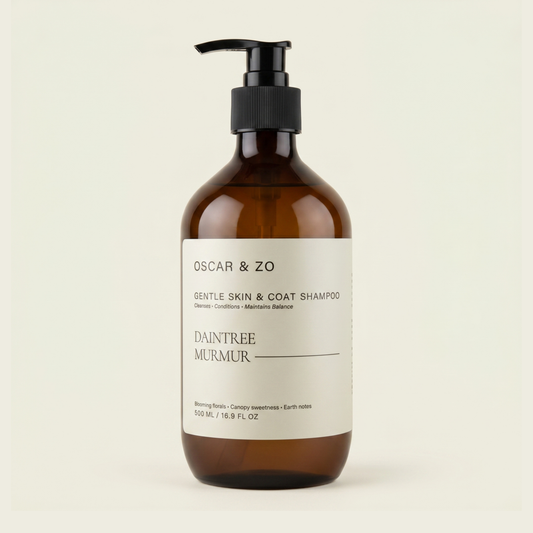
Oscar & Zo Skin & Coat Shampoo offers a pet-specific option for your dog’s regular bathing routine. It’s vet-recommended to promote healthier skin and softer coats, making it a considered alternative to human shampoo for everyday grooming.
Use it as directed on the product label, rinsing thoroughly through the coat. If your dog has persistent irritation, allergies or a diagnosed skin condition, speak with your veterinarian about suitable bathing care. Use medicated shampoo prescribed for a health issue according to your veterinarian’s instructions.
For a gentle approach to routine coat care, you’re welcome to explore Skin & Coat Shampoo and other grooming essentials at Oscar & Zo’s website.
Make the next bath a gentler ritual
Good coat care is built through small, thoughtful choices: noticing what suits your dog, keeping bath time calm and making grooming comfortable. If you’re still wondering whether human shampoo is bad for dogs, let that question guide your next routine towards products intended for pets and your dog’s individual needs.
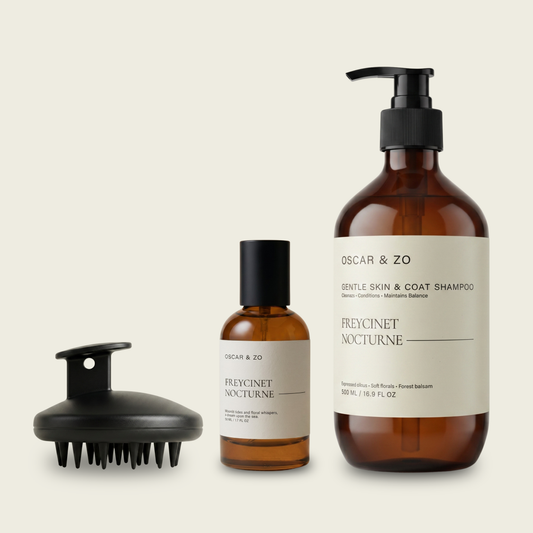
Oscar & Zo’s range includes Skin & Coat Shampoo, Pet Fragrance and Ritual Sets, offering options for a considered care routine at home. Keep your dog’s comfort at the centre and give them time to settle after grooming.
If skin irritation continues or returns, speak with your veterinarian about the right care for your dog. For questions about Oscar & Zo’s grooming essentials, contact Oscar & Zo with your pet care questions. A calm, caring routine can begin with one gentle choice.
Frequently asked questions
Is human shampoo safe to use on dogs?
No, human shampoo isn’t a suitable routine cleanser for dogs. Choose a product clearly labelled for dogs rather than relying on terms such as “gentle” or “sensitive” on a human shampoo bottle. Those descriptions refer to human use. If your dog has a skin condition or an established bathing plan, follow your veterinarian’s product guidance rather than changing the routine yourself.
How does dog skin pH differ from human skin?
Dog skin differs from human skin, so choose a cleanser made for the species using it. A shampoo’s suitability can’t be judged by comparing one pH number alone, since dogs vary and the overall formulation matters too. For a dog with recurring skin concerns, ask your veterinarian what type of cleanser fits their care plan.
What ingredients in human shampoo can irritate or harm dogs?
No single human-shampoo ingredient affects every dog in the same way. A dog’s sensitivity and the complete formula both matter, so read the ingredient label rather than judging by scent or texture. If a particular product is followed by skin changes, keep its name and packaging details. That information can help your veterinarian consider the product alongside your dog’s symptoms and history.
Can you use baby shampoo on dogs, and is it safer than regular human shampoo?
Baby shampoo isn’t a dependable substitute for dog shampoo, even though it’s marketed for gentle human use. The label describes its intended use, not its suitability for dogs. If your dog has a diagnosed skin problem, avoid experimenting with baby products and stick with the bathing plan recommended by your veterinarian. This is especially helpful when your dog already uses a prescribed skin-care product.
What alternatives are safe for washing a dog without dog shampoo?
For a full bath, wait until you have shampoo made for dogs rather than substituting a household cleanser. If only a small area needs cleaning, use a damp cloth to lift surface dirt, then dry it gently. Avoid human hand soap, which can irritate a dog’s skin, and dishwashing liquid, which can remove protective skin oils. For ongoing skin concerns, ask your veterinarian about suitable options.