


Natural Dog Deodorant Spray for Dogs Between Baths

A fresh-smelling coat doesn’t always need another bath. A natural dog deodorant spray can lightly freshen your dog’s coat between washes, but it can’t replace bathing when the coat needs a proper clean. Apply it sparingly, keep it away from the eyes, nose, mouth and broken skin, and follow the product directions.
It’s understandable to want a gentle way to manage everyday doggy odour without bathing too often. This guide covers how to use a coat spray, what to consider in its ingredients, and what to do if your dog licks it. You’ll also learn when a lingering or unusual smell may warrant veterinary advice, helping you keep your between-bath routine calm and practical.
Key Takeaways
- A coat spray can refresh your dog between baths, but it doesn’t replace a wash when the coat needs cleansing.
- Apply a light mist to the coat or a grooming brush, keeping it away from your dog’s face and any broken skin.
- If making a homemade rinse, prepare it carefully and take care with essential oils and other ingredients.
- If your dog licks the spray or develops irritation, stop using it and speak with your veterinarian.
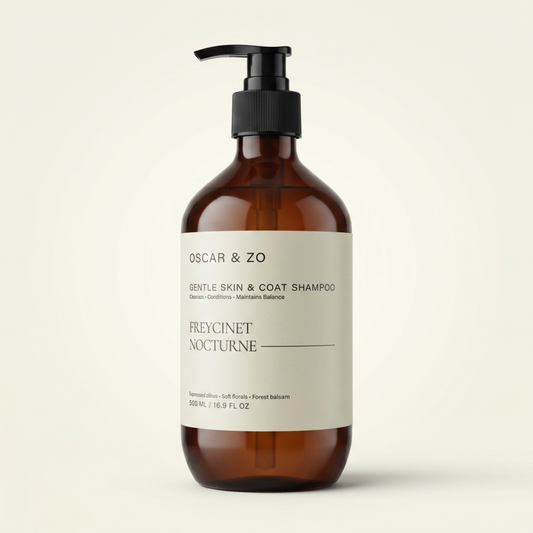
- When a freshen-up isn’t enough, Oscar & Zo Skin & Coat Shampoo can fit into your dog’s bath routine.
Avoiding too many dog baths
For everyday use in Australia, choose a spray labelled for dogs and follow its directions. Read the ingredient list and warnings before applying it. A light mist may freshen odour between baths, but it won’t remove dirt.
Use Between Baths
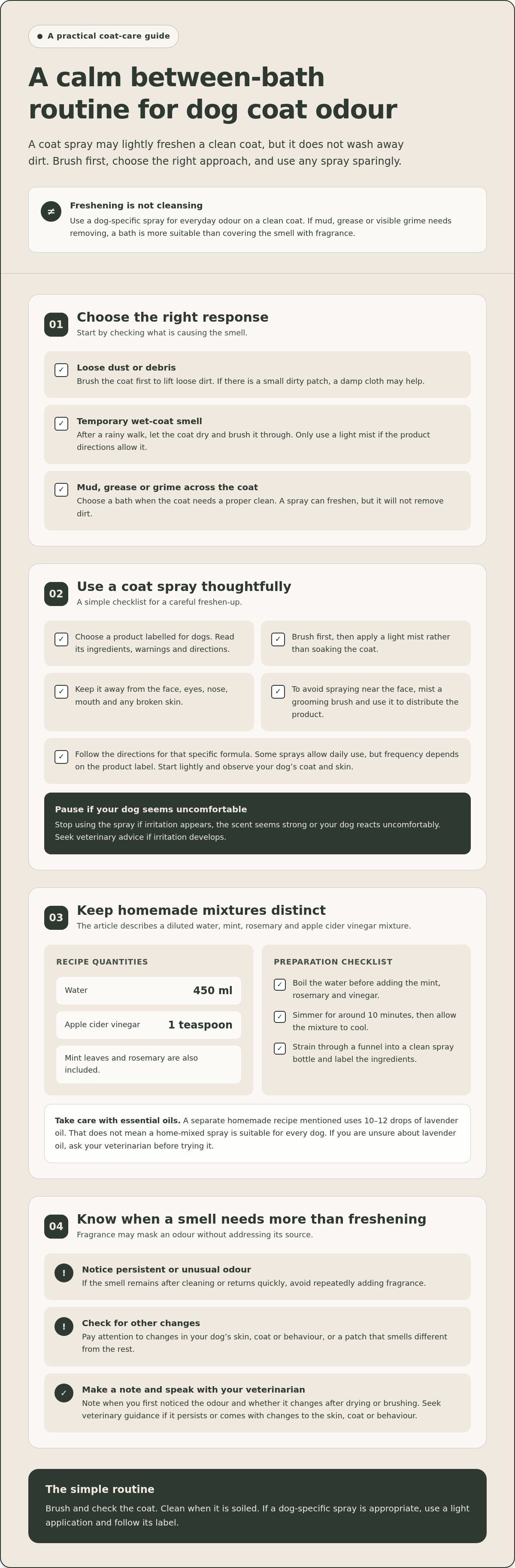
Use a dog deodorant spray for a brief freshen-up when your dog’s coat is clean but has picked up everyday odours. After a walk, for example, brush away loose debris, then apply a light mist according to the label. A spray can refresh the coat between washes, but it doesn’t replace shampoo when mud, grease or visible grime needs removing.
Application Frequency
Some dog deodorant sprays are labelled for daily use, but follow the directions for the specific formula. Start with a light application and observe your dog’s coat and skin. If the label permits daily use and your dog remains comfortable, follow those directions. Stop if irritation appears and seek veterinary advice.
There isn’t one bathing interval that suits every dog. Coat type, time outdoors and the kind of dirt picked up all affect when a wash is useful. A short-coated dog who mostly stays indoors may need a different routine from one who regularly runs through muddy parks. Use the coat’s condition, not the calendar alone, to decide when a bath is needed.
Before reaching for a spray, identify the source of the smell. A damp coat after rain, a dusty back after a walk and a muddy belly call for different approaches. Brushing can lift loose dust and debris, while a damp cloth may help with a small dirty patch. If the coat is soiled throughout, a bath is more suitable than covering the smell with fragrance.
Keep the between-bath routine simple. Brush your dog first, then read the label for directions and cautions. If you use a spray, apply it sparingly rather than soaking the coat. Avoid the face, eyes, nose, mouth and any broken skin. Misting a grooming brush first can help distribute the product without spraying close to your dog’s face.
Notice whether the odour returns soon after grooming or seems unusual for your dog. Fragrance can mask a smell without addressing its source. If a persistent odour comes with changes to your dog’s skin, coat or behaviour, contact your veterinarian for guidance. For ordinary between-bath freshness, choose a dog-specific product and keep bathing, brushing and coat checks as separate parts of the routine.
Odour neutralisation and coat care
A dog deodorant spray can help manage everyday coat odour between washes. Some sprays contain herbs or vinegar, but these ingredients don’t make the product a cleanser. Freshening isn’t a substitute for cleaning a dirty coat. Brush first, then consider whether the smell comes from surface debris, damp fur or something that persists after grooming.
A dog returning from a rainy walk may have a temporary wet-coat smell. Let the coat dry and brush it through; use a light mist only if the product label allows. If dust is caught in the coat, brush before applying any spray. Removing the source first helps avoid layering fragrance over dirt or dampness.
Choose a product labelled for dogs and read its ingredient list before use. Formulas differ: some include herbs, while others contain vinegar or essential oils. Don’t assume “natural” means suitable for every dog or coat. Follow the label’s directions and keep the spray away from the eyes, nose, mouth and broken skin.
Can dog deodorant spray help with persistent bad odour, or should a vet check the cause? A spray may briefly mask a persistent smell, but it won’t identify or resolve its source. If the odour remains after cleaning, returns quickly, or comes with changes to your dog’s skin or behaviour, arrange a veterinary check rather than using more fragrance.
Coat care can help you notice changes early. As you brush, look for debris, damp patches, tangles or areas your dog reacts to. If one patch smells different from the rest, for instance, avoid repeatedly spraying it. Note when you first noticed the odour and whether it changes after drying or brushing. Those details can help you describe the issue to your veterinarian.
Use fragrance lightly and assess the result once the coat has dried naturally. If the scent is strong, the coat feels damp, or your dog seems uncomfortable, stop applying it. A simple routine of brushing, checking the coat and using a dog-specific spray only when appropriate keeps freshness separate from deeper cleaning. For a considered coat-care routine, explore options suited to everyday grooming.
For anyone considering a homemade option, the homemade dog deodorant recipe uses 10-12 drops of lavender oil. That detail is not a reason to assume a home-mixed spray is appropriate for every dog. Keep the same cautious approach used with a packaged product: consider whether a spray is needed at all, check how your dog responds, and stop if the scent seems strong or your dog appears uncomfortable. Fragrance should remain a small part of coat care, not a way to cover an unexplained smell.
Before applying a homemade mixture, make sure its ingredients and directions are suitable for your dog, and avoid the face and any irritated or broken skin. If you’re unsure about using lavender oil, ask your veterinarian before trying it. Brush and dry the coat first, then reassess whether the odour remains. If it does, seek advice about the cause instead of adding more fragrance.
Water, mint, rosemary and apple cider vinegar ingredients
A homemade coat refresher can be made with water, mint, rosemary and apple cider vinegar. One recipe uses 450 ml of water and 1 teaspoon of apple cider vinegar. These ingredients are prepared as a diluted liquid, not applied individually to the coat. Keep this simple recipe separate from commercial sprays, which can contain different ingredients.
To prepare the mint and rosemary mixture, boil the water before adding the mint leaves, rosemary and vinegar. Simmer the mixture for around 10 minutes, then let it cool before bottling. Pour the cooled liquid through a funnel into a clean spray bottle. Label the bottle with its ingredients so it isn’t mistaken for another household spray.
Mint and rosemary provide the herbal elements in this recipe, while apple cider vinegar is included as a coat-care ingredient. Some spray descriptions say vinegar adds shine and herbs help reduce odour. These effects don’t make a homemade mixture a cleanser. A spray may freshen a coat, but visible dirt still needs to be removed through grooming or washing.
Commercial formulas vary, so read the full ingredient list rather than relying on the word “natural”. One listed formula includes water, alcohol, glycerin, eucalyptus oil, tea tree oil, rosemary oil, lavender oil, citronella oil, sunscreen and a paraben-free preservative. That differs from the water, mint, rosemary and vinegar recipe. Don’t combine ingredients or assume every spray uses the same blend.
How do natural dog deodorant sprays compare with waterless shampoos and grooming wipes? A deodorant spray is mainly for lightly freshening the coat, while waterless shampoo is intended to help clean without a bath. Grooming wipes let you wipe a small area, such as muddy paws, rather than misting the whole coat.
Choose according to the task. For a lightly stale coat, a dog-labelled spray may suit; for a small dirty patch, a wipe offers more targeted contact. If your dog is visibly soiled, neither option replaces a proper wash. Read the label for intended use and directions, and avoid products containing ingredients your dog has previously reacted to.
For homemade preparations, clean equipment matters. Wash the spray bottle and funnel before use, and let the mixture cool fully before filling the bottle. Label it clearly and store it away from food and cleaning products. Changing the recipe, such as by adding an oil, changes the formulation, so don’t assume the original directions still apply.
The homemade dog deodorant recipe uses 16 ounces of water; follow that stated amount when preparing the mixture, and avoid assuming it matches another recipe’s measurements.
Directions for use
Apply dog deodorant spray lightly, follow its label and keep it away from sensitive areas. Take the same care when using it on a dry coat between baths, a wet coat after bathing or a coat dampened by rain.
Safe Application
How do you apply dog deodorant spray safely and avoid the eyes, nose and ears? Shake the bottle gently, then mist lightly over the coat or onto a grooming brush. Keep spray away from your dog’s face, ears and broken skin, and follow the label’s directions.
Work in a calm space where your dog can stand comfortably. Brush a dry coat first, for example, then use a light mist rather than soaking the fur. If your dog’s coat is wet after bathing, apply only as directed and let it dry naturally. Avoid spraying near open windows if wind could carry the mist towards your dog’s face.
Avoiding Eyes, Nose and Ears
Direct spraying can send droplets towards your dog’s eyes, nose, mouth or ears. Instead, spray the coat from a safe distance, or mist a grooming brush and pass it through the body coat. Point the bottle away from the head, and don’t apply it to broken skin.
For a homemade mixture containing essential oils, dilute the oils properly and keep the spray away from your dog’s eyes and face. Don’t add extra oil to a recipe or apply concentrated essential oil directly to the coat. If you’re unsure about an ingredient or your dog reacts, stop and speak with your veterinarian.
Follow the product’s directions for each application. A dog deodorant spray may be intended for a dry coat between baths, a wet coat after bathing or rainy days when damp fur smells stronger. Use a light application, not a heavy coating. Read the label first, since formulas and instructions vary.
Follow this simple sequence for a packaged spray:
- Read the label and check that the product is intended for dogs.
- Brush out loose debris or tangles before misting.
- Shake the bottle gently, as directed for the spray.
- Mist lightly over the body coat or onto a grooming brush.
- Keep the spray away from the face, ears and broken skin.
- Let the coat dry naturally, following the product directions.
A grooming brush gives you more control over where the spray goes, especially if your dog moves when the bottle sprays. Apply the mist to the brush first, then work through the body coat in small sections. Pause if your dog turns away, tries to leave or becomes unsettled. A calm, brief application is easier to manage than repeated spraying.
For homemade deodorant, let the mixture cool before pouring it into a clean spray bottle with a funnel. Cover your dog’s eyes and face, and use only properly diluted essential oils. Keep the bottle clearly labelled, so its contents aren’t confused with another household spray. If the coat feels wet after application, reduce the amount next time and follow the recipe directions.
Licking and product safety
A dog may lick its coat after a spray dries, so check the ingredient list before applying any formula. Follow the label, use only a light mist and prevent licking while the coat is still wet. This matters especially when a spray contains essential oils or other ingredients your dog could swallow while grooming.
Which essential oils are toxic or unsafe for dogs in deodorant sprays? Tea tree oil can be harmful to dogs in large doses, so seek veterinary advice if your dog licks a tea tree product. Essential oils differ, and an ingredient list alone doesn’t establish that every oil or concentration is suitable for every dog.
Some listed spray formulas contain eucalyptus, tea tree, rosemary, lavender or citronella oils. Others include water, alcohol, glycerin, sunscreen and a preservative. These ingredients describe different commercial formulas, not one standard recipe. Read the full label and follow its directions rather than assuming a spray is suitable because it contains plant-derived ingredients.
For a homemade mixture, don’t apply undiluted essential oils directly to your dog’s coat. Dilute oils properly, keep the spray away from your dog’s eyes and face, and follow the recipe directions. Store the bottle away after use. A clearly labelled bottle also helps prevent confusion with household sprays.
If your dog licks a freshly sprayed area, take these practical steps:
- Move the bottle out of reach and stop applying the product.
- Read the label and note the ingredients, including any essential oils.
- Observe your dog and contact your veterinarian about product-use concerns.
- If irritation develops, discontinue use and consult your veterinarian.
Keep the product packaging nearby if you call your veterinarian. The ingredient list can help identify whether the formula contains tea tree oil or another essential oil. Explain when and where you applied the spray, and whether your dog licked the coat. Avoid giving home treatments unless your veterinarian recommends them.
Stop using a spray if your dog develops irritation after application. Don’t apply more fragrance to cover redness, discomfort or a change in behaviour. Instead, keep the bottle and label available, and ask your veterinarian for advice about the reaction. A persistent or concerning response deserves attention beyond changing the scent or trying another formula.
Choose dog-labelled products, follow their directions and store them securely after grooming. If you make a homemade spray, keep the recipe simple and don’t add essential oils without proper dilution. These steps help reduce accidental exposure and make it easier to decide when a lick or skin reaction calls for veterinary guidance.
Oscar & Zo: Skin & Coat Shampoo
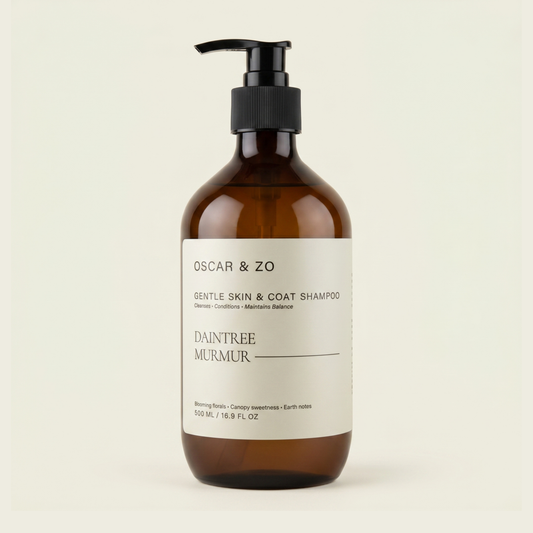
When a light freshen-up isn’t enough, Oscar & Zo Skin & Coat Shampoo is made for bath time cleansing. Use shampoo when your dog’s coat needs washing, rather than applying more deodorant spray over dirt or residue. The shampoo is vet-recommended and designed for everyday skin and coat care, leaving the coat soft.
After washing, dry and brush your dog according to their coat and comfort. For a gentle, considered routine, keep bathing for cleansing and use grooming tools to maintain the coat between washes. Explore the Skin & Coat Shampoo at Oscar & Zo, or visit oscarandzo.com.au to learn more.
Make coat care a gentle routine
Let your dog’s comfort guide your grooming choices, and treat a fresh coat as one part of everyday care. A natural dog deodorant spray can fit into the routine when a light refresh is all that’s needed. If a smell persists or you notice changes in your dog’s skin or behaviour, speak with your veterinarian before trying another product.
As you settle into a routine, notice what your dog enjoys and what helps them stay relaxed. A quiet moment after a walk can be an opportunity to check their coat, share a gentle brush and strengthen your connection.
For thoughtful guidance on everyday pet care, contact Oscar & Zo. Small, attentive moments can help make caring for your dog feel calm and connected.
Oscar & Zo for Dog Grooming and Fragrance
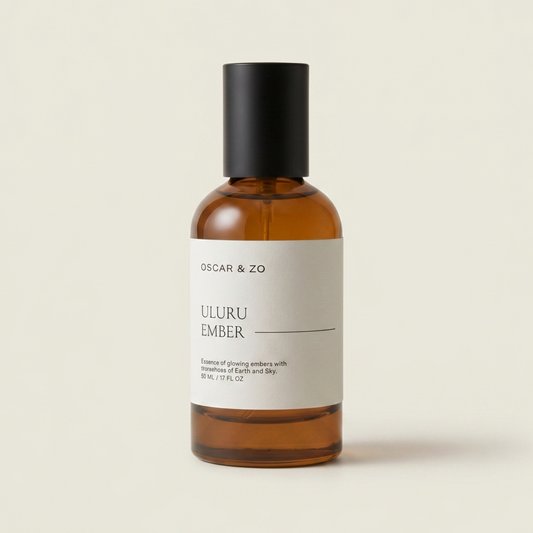
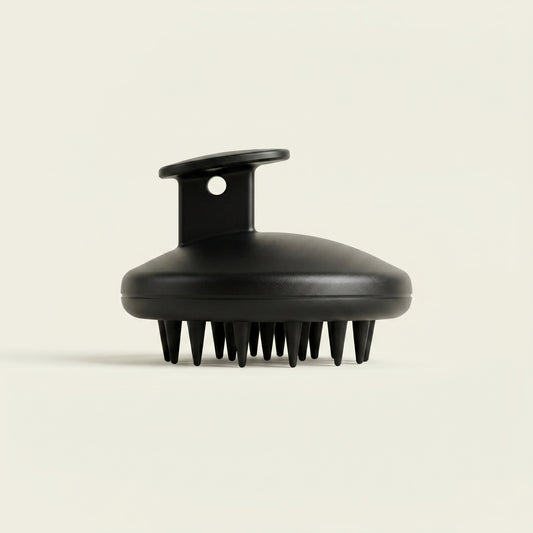
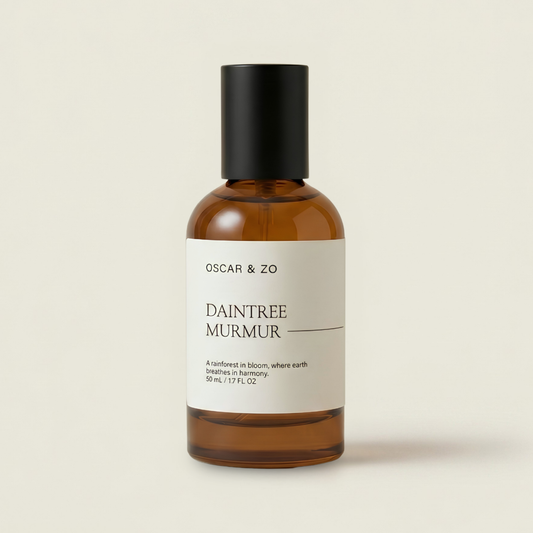
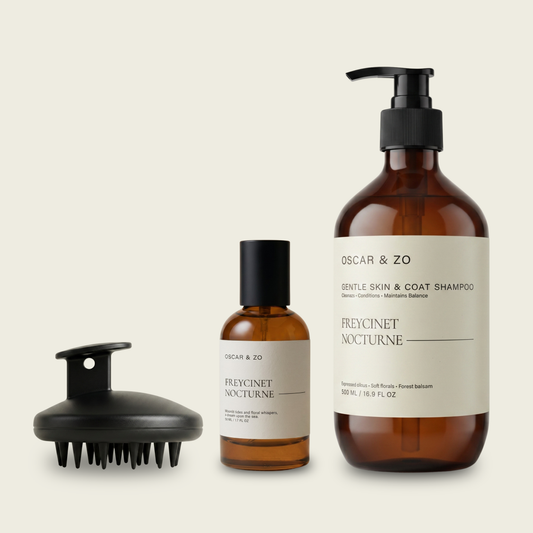
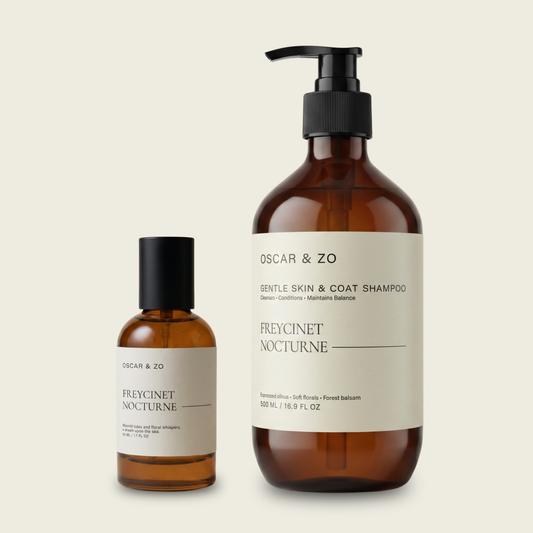
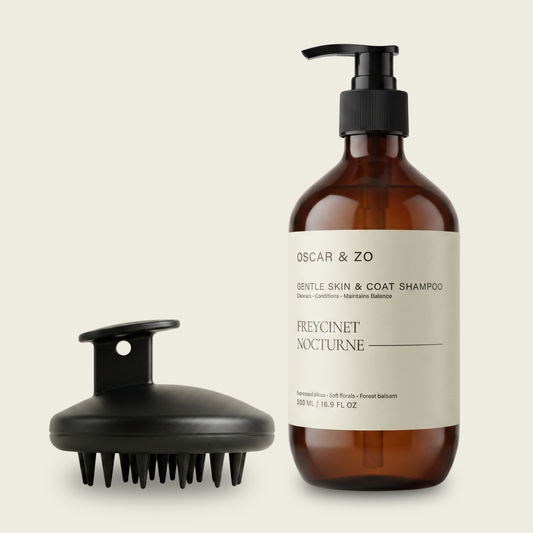
Oscar & Zo offers Skin & Coat Shampoo, Pet Fragrance, Ritual Sets, Grooming Tools and a Discovery Set. If you’re exploring natural dog deodorant spray, these products offer related grooming and fragrance options to consider.
Explore Oscar & Zo when you’re ready to find products for your dog’s grooming routine, or browse the Discovery Set to consider the range.
Frequently asked questions
What ingredients are safe and effective in natural deodorant sprays for dogs?
No ingredient is automatically safe or effective simply because it’s described as natural. A finished coat spray is a blend, so its overall formula and ingredient concentrations matter more than one appealing botanical name. Ingredients may serve different purposes, such as providing a base or contributing fragrance. Consider the complete formulation and intended use rather than choosing by one ingredient alone.
Are homemade natural deodorant sprays safe for dogs?
Homemade sprays can vary between batches, particularly if proportions change or ingredients are estimated. A household recipe also doesn’t establish how consistent the mixture remains after preparation. If you make one, measure ingredients carefully and avoid casual substitutions. For a routine where consistency matters, a ready-made dog coat spray with clear ingredient information may be easier to assess.
What are the best natural dog deodorant sprays available in Australia?
Choose a spray labelled for dogs, read its ingredients and warnings, and follow the product directions. Apply it lightly and keep it away from your dog’s face and broken skin.