


Natural pet shampoo for sensitive dogs in Australia

The best natural dog shampoo in Australia isn’t one formula for every dog. Choose a natural pet shampoo in Australia by considering your dog’s skin sensitivity, coat type and breed, then read the ingredient list rather than relying on the word “natural” alone. Human shampoo isn’t suitable for dogs because it can disrupt their skin’s pH balance and natural oils, leading to irritation or dryness.
It’s understandable to want a gentle wash that leaves your dog’s coat clean and soft without making bath time uncomfortable. If your dog has sensitive or allergy-prone skin, watch how their skin responds and rinse the shampoo thoroughly.
This guide explains what to look for in dog shampoo, how coat type can shape your choice and how to introduce a new product carefully. It also covers when ongoing itchiness or irritation calls for veterinary advice, so bath time can feel calmer and more considered for you both.
Key Takeaways
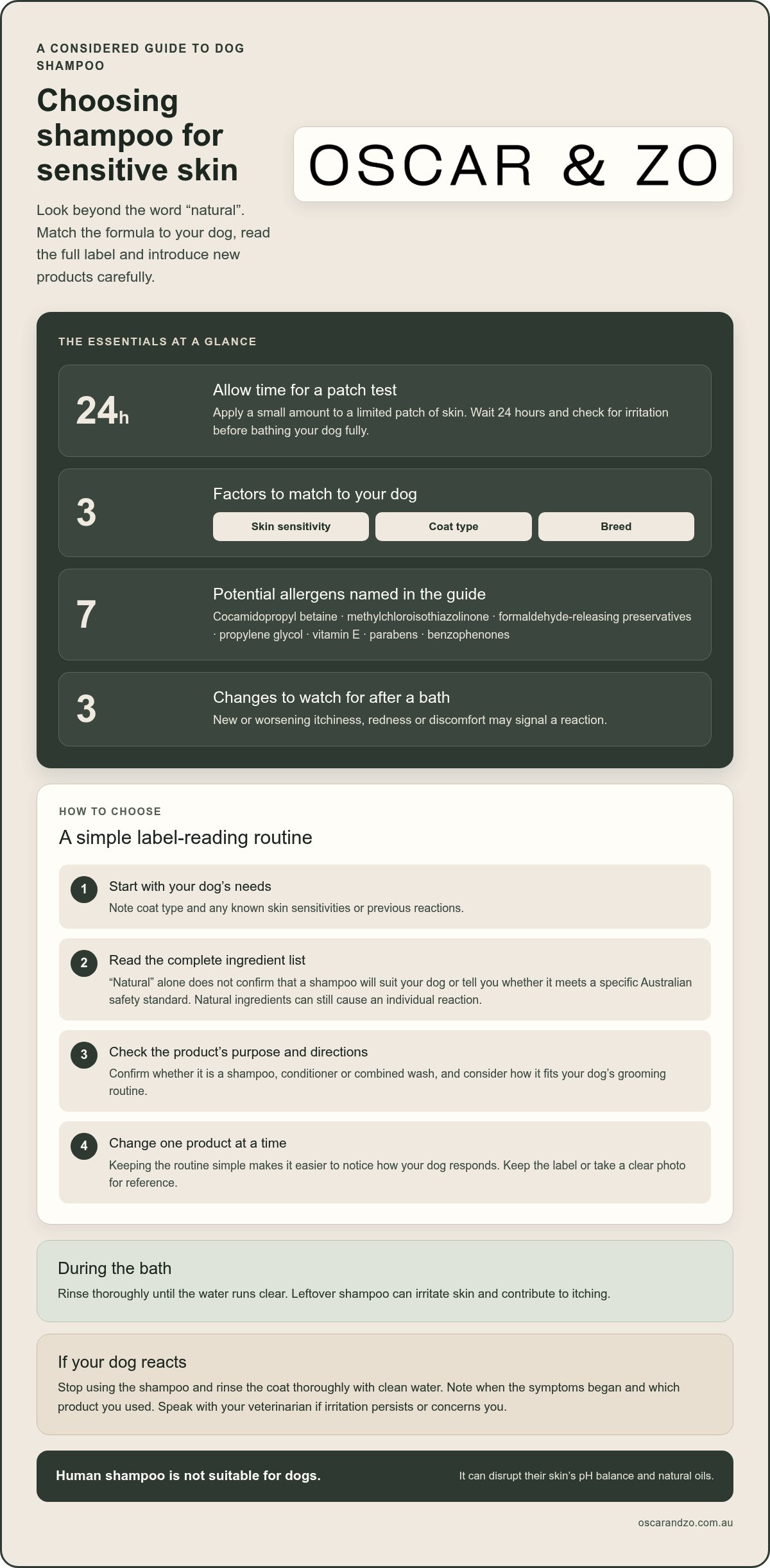
- Choose shampoo with your dog’s skin sensitivity, coat type and breed in mind, rather than relying on a “natural” label alone.
- Patch-test a new shampoo and wait 24 hours to check for irritation before bathing your dog fully.
- Read ingredient lists carefully, and rinse your dog’s coat thoroughly to help prevent residue-related itching.
- Avoid using human shampoo on dogs, as it can disrupt their skin’s pH balance and natural oils.
- Adjust your bathing approach to your dog’s coat, and speak with your veterinarian about persistent itchiness or irritation.
Which dog shampoos are safest for itchy or allergy-prone dogs?
For sensitive or allergy-prone dogs, choose a dog-specific shampoo suited to their skin. Natural ingredients can still cause irritation, so patch-test first and watch for a reaction.
Shampoo options for sensitive skin
Start with a readable ingredient list and compare it with products your dog has used comfortably. A “natural” label alone doesn’t show whether a shampoo suits your dog. If their skin is reactive, avoid ingredients that have caused a flare-up before and follow the product directions.
Before a full bath, apply a small amount to a limited patch of skin. Wait 24 hours, as the patch-test instructions advise, and check for irritation before washing your dog’s whole coat. During the bath, rinse thoroughly until the water runs clear. Leftover shampoo can irritate skin and contribute to itching.
Persistent itching needs more than a change of shampoo. A veterinarian can assess your dog’s skin and advise whether bathing should form part of their care. Note where your dog scratches and when symptoms appear; these details can help describe what you’re seeing.
Fragrance and skin sensitivity
Fragrance is worth considering for dogs with sensitive skin, but a natural source doesn’t automatically make an ingredient suitable for every dog. Essential oils and other scented ingredients may still prompt an individual reaction. Read the full ingredient list, especially if your dog has reacted to scented grooming products before.
The National Center for Biotechnology Information notes that shampoos can cause contact dermatitis. Potential allergens include cocamidopropyl betaine, methylchloroisothiazolinone, formaldehyde-releasing preservatives, propylene glycol, vitamin E, parabens and benzophenones. These ingredients may appear under different names, so compare labels carefully and keep a record of products your dog has used.
If you’re unsure which ingredient may be involved, avoid testing several new products at once. Changing one product at a time makes it easier to notice a difference in your dog’s skin. Share the product label and your observations with your veterinarian.
Possible reactions and side effects
A shampoo reaction may appear as new or worsening itchiness, redness or discomfort after bathing. Natural products can still cause contact dermatitis, and a small patch test lets you watch for irritation before wider use. It doesn’t replace veterinary advice if symptoms persist or concern you.
If your dog reacts during a bath, stop using the shampoo and rinse their coat thoroughly with clean water. Don’t apply another grooming product to mask the reaction. Note when symptoms began, which product you used and the ingredients on its label, then contact your veterinarian for guidance.
For recurring itchy skin, a veterinarian can assess possible causes instead of treating every flare-up as a shampoo issue. Keep the routine simple while you seek advice: stop using the suspected product, rinse away residue and record any changes. These details can support a more informed conversation about sensitive-skin care.
What is the best natural dog shampoo in Australia?
The best choice is a dog shampoo with ingredients and directions suited to your dog. Compare the full label with their coat, skin history and grooming needs rather than treating “natural” as a guarantee of suitability.
The word “natural” alone doesn’t tell you whether a shampoo meets a specific Australian safety standard. Read the label and product information, including its intended use and directions, rather than treating the word as a safety certification.
Look for clearly named ingredients and consider your dog’s individual history. Rice bran oil, castor oil and coconut oil appear in some dog shampoos, alongside lavender, eucalyptus and peppermint oils. Plant-derived ingredients can still be unsuitable for an individual dog, so assess the complete formula rather than choosing by one appealing ingredient.
Some pet parents prefer to avoid SLS, SLES, parabens, synthetic fragrance or methylisothiazolinone. That preference doesn’t mean every dog will react to those ingredients or that every formula containing them is unsuitable. Some dog shampoos contain SLS or SLES, so check the label and consider your dog’s needs. Don’t assume “natural” means free of any particular ingredient.
A conditioner may help make a coat easier to manage after washing. Check whether a product is a shampoo, conditioner or combined wash, then follow its directions. A coat that tangles easily, for example, may need a different grooming routine from a short coat. Avoid changing several products at once so you can observe your dog’s response.
Names such as “smooth and soothe” or “shine and shield” describe an intended grooming purpose, not the full ingredient profile. Look for the actual ingredients and stated use. A product intended to add shine may not meet your main need if your dog’s coat tangles or their skin is sensitive.
Use a straightforward comparison: note your dog’s coat and any known sensitivities, read the full ingredient list, then match the stated purpose to your grooming routine. A dog with a dense coat, for instance, may need thorough rinsing, while a dog prone to tangles may benefit from regular brushing between baths.
Keep the label or take a clear photo before using a new shampoo. If you notice a change later, you’ll have the ingredients and directions to hand. If your dog already has a skin concern, ask your veterinarian how grooming products should fit into their care.
Customer experiences with grooming products
A useful grooming experience involves more than a pleasant scent after bath time. Notice how the formula performs during washing, how manageable the coat feels afterwards and whether your dog remains comfortable. These observations help you judge whether a product suits your routine, rather than relying only on broad claims or another dog’s experience.
Keep a simple grooming note after each bath. Record the shampoo used, the date, how easily it rinsed and any changes to the coat or skin. Note, for example, whether a long coat feels easier to brush or a fragrance lingers longer than you prefer. This makes comparisons more grounded and less dependent on memory.
Bathing frequency varies by dog and the guidance you follow. Recommendations range from bathing most dogs every two to four weeks to every three to six weeks. Consider your dog’s coat, activity, skin and how dirty they get. A muddy walk may call for a rinse, while frequent full shampooing may not suit every dog.
Make each bath gentler and more predictable. Brush before bathing to lift loose hair and debris, then use lukewarm water. Follow the shampoo directions and rinse until the water runs clear. If your dog’s coat tangles between baths, regular brushing can help manage it without another wash. Adjust the routine to your dog’s comfort and coat condition.
Don’t assume natural grooming products control fleas. A shampoo’s natural ingredients don’t, by themselves, show that it controls fleas. Read the label for its stated purpose and directions. A grooming formula that cleans the coat, for example, may serve a different role from a product labelled for flea control.
A flea comb can help you inspect your dog’s coat during routine grooming, especially around the neck and base of the tail. Check the comb as you work and clean it between strokes. If you find fleas or your dog scratches persistently, ask your veterinarian about suitable flea control. Don’t rely on a shampoo unless its label clearly states that use.
Let your dog’s response guide the routine instead of relying on a fixed calendar. A short-coated dog who stays clean may need a different bathing rhythm from a dog whose coat collects dirt or mats easily. Track the formula, bathing interval and coat changes together. This practical record can help you make calmer, more consistent grooming choices.
Why human shampoo is unsuitable for dogs
Human shampoo can disrupt a dog’s skin pH balance and natural oils, causing irritation or dryness. A product made for people may leave your dog uncomfortable, even if it feels gentle on your own scalp. Keep human shampoo out of your dog’s bath routine, including products labelled moisturising or fragrance-free.
Human and dog shampoos are made for different skin and coat needs. Human shampoo may also contain synthetic fragrances or other ingredients not intended for canine grooming. “Gentle” on a human label doesn’t mean suitable for a dog. Choose a shampoo labelled for dogs and follow its directions.
Bathing frequency depends on your dog’s coat, activity, skin and how dirty they get. Recommendations for most dogs range from every two to four weeks to every three to six weeks. As these intervals differ, use your dog’s coat condition and comfort to guide the routine. A dog who rolls in mud may need cleaning sooner than one who stays mostly indoors.
Frequent full washes can remove natural oils and leave the coat feeling dry. Between baths, brush away loose hair and dirt or rinse muddy paws with water. Use dog shampoo when a full wash is needed, following the label rather than adding extra product. For recurring odour or itchiness, ask your veterinarian about the cause and a suitable bathing routine.
Keep shampoo and rinse water away from your dog’s ears. Gently wash around the outer ear without pouring water into the ear canal. Afterwards, use a clean towel to dry the visible outer ear. Avoid cotton buds or putting cloth into the canal, as this can irritate delicate tissue.
Check your dog’s ears during regular grooming. Notice changes such as redness, an unusual smell, discharge or repeated head shaking. These signs can have different causes, so don’t try to treat them with shampoo or household products. Contact your veterinarian for advice, particularly if your dog seems uncomfortable when you touch an ear.
For a calmer bath, gather dog-specific shampoo, towels and a brush before wetting your dog. Use lukewarm water, keep the face and ears dry, and rinse the coat thoroughly. A steady routine helps you notice changes in skin, coat and ears without relying on human products to solve them.
Choose each grooming product for its intended use. Shampoo cleans the coat, while ear care needs a separate, careful approach. If your dog has sensitive skin or recurring ear concerns, a veterinarian can help you decide whether bathing needs to change. This keeps washing practical, comfortable and suited to your dog.
Choosing products by coat type and breed
Breed offers a useful starting point, but coat condition matters too. A Labrador’s short coat, a Border Collie’s longer coat and a Poodle’s curly coat call for different brushing and drying routines. Choose a dog shampoo for its stated purpose, then consider how your dog’s skin and coat respond after washing.
For short coats, choose a dog-specific shampoo that cleans without leaving residue. Regular brushing can lift loose hair before bath time. With longer or curly coats, work in sections and rinse carefully, as shampoo near the skin can be difficult to remove. Gentle drying and brushing also help prevent knots from tightening as the coat dries.
Double coats need particular care. Breeds such as the Australian Kelpie and Border Collie have coats that help regulate temperature and protect the skin. Avoid clipping a double-coated dog for convenience, and don’t assume a close trim makes warm weather safer. Brush regularly to remove loose undercoat, and choose bathing products to suit coat and skin needs.
Consider where your dog’s coat gathers dirt. Feathering behind the ears, around the legs or beneath the tail can hold debris and tangle more easily. Before bathing, inspect those areas and brush gently. During washing, follow the shampoo directions and rinse thoroughly, paying attention to dense or curly sections.
Skin history matters as much as breed. If your dog has reacted to synthetic fragrances or other ingredients, compare the label with products they’ve used before. “Natural” doesn’t guarantee that every ingredient will suit every dog. Introduce one new grooming product at a time so you can observe changes in your dog’s skin and coat.
Keep the routine simple: match the wash to the coat, brush according to its texture and watch for changes after bathing. A short-coated dog may need less detangling than a curly-coated dog, while a double coat needs careful brushing rather than clipping. If coat changes come with persistent itching or irritation, discuss them with your veterinarian.
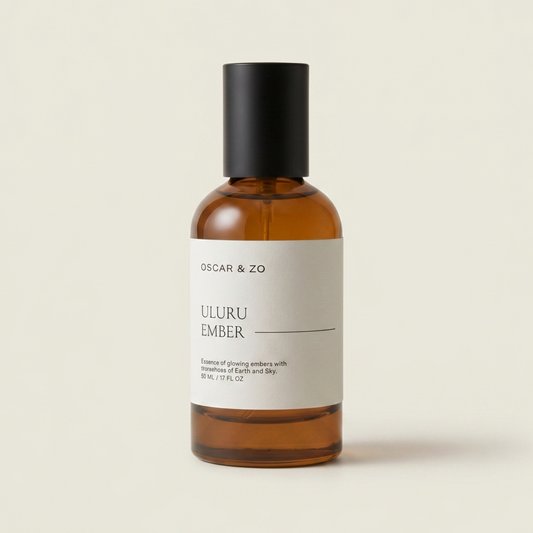
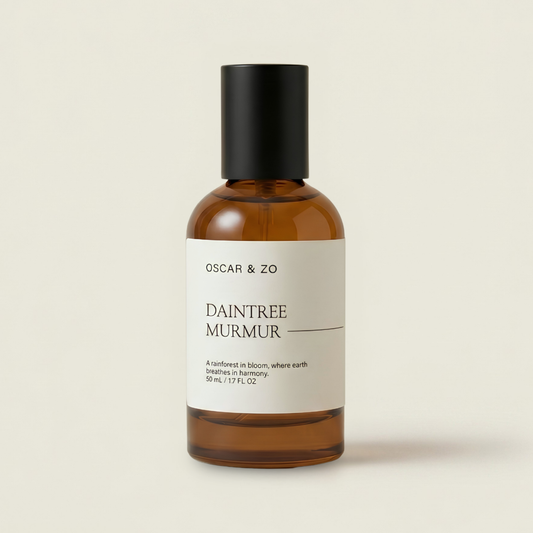
For a finishing touch after grooming, choose a pet fragrance only if it suits your dog’s routine and preferences. You can explore pet fragrance for dogs as a separate step from choosing shampoo. Keep the main decision focused on coat type, skin history and the product’s labelled use.
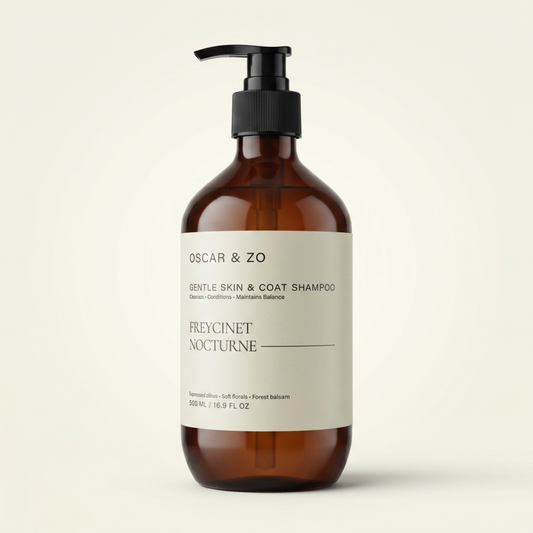
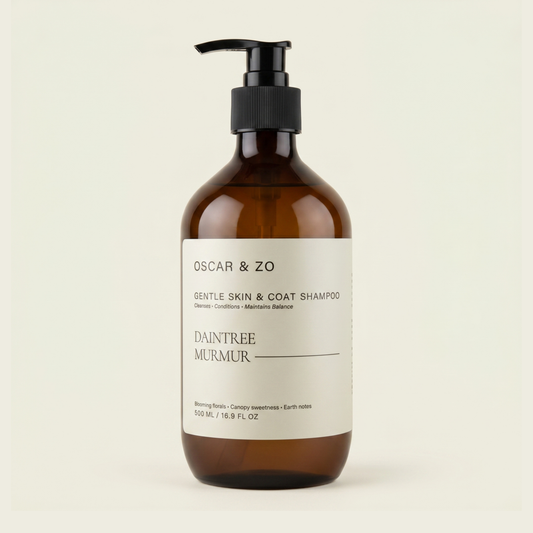
Oscar & Zo: Skin & Coat Shampoo
Oscar & Zo Skin & Coat Shampoo is a dog-specific option for regular coat care. It can fit into a considered grooming routine when you choose shampoo according to your dog’s skin and coat needs. Follow the product directions and introduce any new shampoo with care, especially if your dog has a history of skin sensitivity.
Keep the routine simple: brush before bathing, use lukewarm water and rinse thoroughly. If your dog has ongoing itchiness or irritation, speak with your veterinarian about the cause and suitable grooming care. Shampoo supports everyday washing, but it doesn’t replace veterinary advice about skin concerns.
For a calm, practical approach to bath time, explore Oscar & Zo’s Skin & Coat Shampoo and other grooming essentials. Visit Oscar & Zo to find products for your at-home grooming routine.
Make bath time a thoughtful part of your routine
Choosing a natural pet shampoo in Australia can start a more considered grooming rhythm. Notice how your dog responds, keep their coat needs in view and let comfort guide the routine as it changes. These small observations can make everyday care feel more settled for you both.
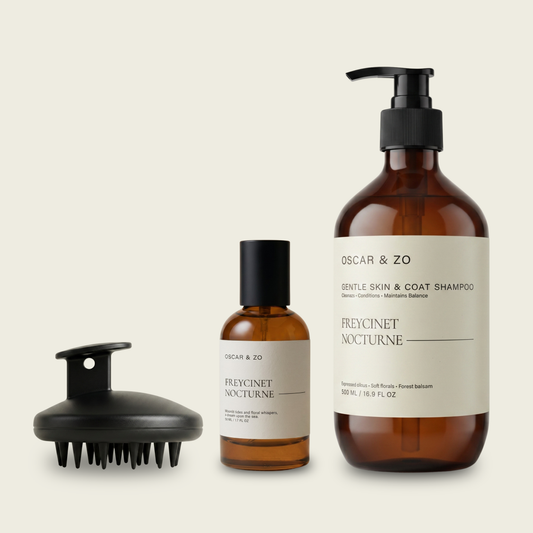
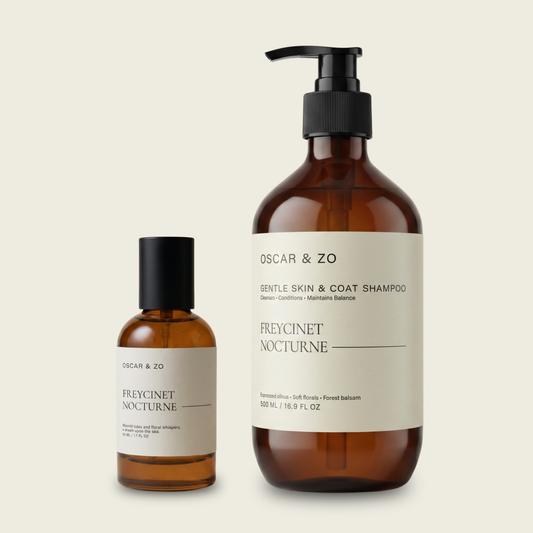
Oscar & Zo offers Skin & Coat Shampoo, Pet Fragrance and Ritual Sets for at-home grooming routines. If you’d like to explore the shampoo as part of your dog’s care, contact Oscar & Zo about dog shampoo.
Take the next step at your own pace, with a routine shaped around your dog and the care you share.
Oscar & Zo for Natural Pet Shampoo
Oscar & Zo offers Skin & Coat Shampoo as a natural pet shampoo option to consider when choosing a wash for your pet.
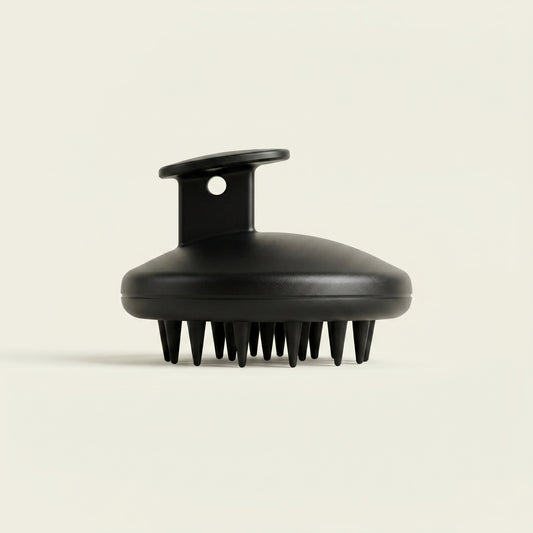
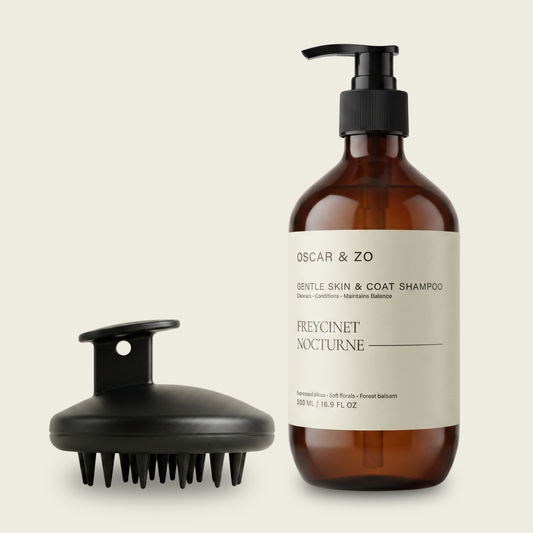
For a broader grooming routine, explore Pet Fragrance, Ritual Sets, Grooming Tools and the Discovery Set.
Frequently Asked Questions
Can I use these shampoos on a dog with fleas?
Use shampoo for flea control only if its label specifically identifies that purpose and gives directions for dogs. A regular grooming wash isn’t a substitute for a product labelled for flea control. Before using any flea product, check that it’s intended for your pet’s species and follow its directions carefully. Don’t combine treatments unless their instructions allow it.
Do these shampoos help with dog allergies and sensitive skin?
Grooming shampoo cleans the coat, but it can’t establish what is causing an allergy. If you’re comparing options, note when your dog feels uncomfortable and whether it follows a particular product or activity. This record can make patterns easier to describe. Choose a dog-specific formula based on its label and your dog’s past responses, rather than expecting shampoo alone to manage an allergy.
What ingredients should I avoid in dog shampoo?
There isn’t one ingredient list that every dog must avoid. Start with anything your dog has reacted to, and read the complete ingredient list before buying. If a label uses unfamiliar names, keep a photo and compare it with products your dog has previously tolerated. This makes your choice more individual than relying on a general “natural” or “gentle” description.
Why does my dog still smell after using shampoo?
A clean coat can pick up odours again from everyday items. Wash your dog’s collar and bedding, and check that the coat is fully dry before they settle down. Avoid covering an unexplained smell with fragrance, as this can make it harder to notice whether the odour changes. If the smell is unusual or persists despite clean, dry surroundings, seek appropriate advice.
What are the best natural pet shampoos available in Australia?
The best option depends on the dog, not just the product label. Compare the stated purpose, directions and full ingredient list, then choose a dog-specific shampoo suited to your routine. Oscar & Zo offers Skin & Coat Shampoo for at-home grooming. Read its product information before use, particularly if you’re choosing shampoo for a dog with specific sensitivities.
How do Australian natural pet shampoo brands compare by ingredients, price, and customer reviews?
Compare each brand’s ingredient list and product directions, then look for customer reviews describing a similar coat type or grooming need. For price comparisons, consider the listed bottle size as well as the displayed price, rather than comparing figures alone. Reviews reflect personal experiences, so focus on specific details about use rather than broad praise or criticism.
How often should I bathe a dog or cat with natural pet shampoo?
There’s no single bathing schedule that suits every dog or cat. Consider whether the coat is dirty, how it feels after washing and whether bathing fits your pet’s usual grooming needs. Cats and dogs have different routines, so choose a product labelled for the correct species. Follow its directions and avoid bathing simply to keep to a fixed calendar.
How do I choose a natural shampoo for pets with sensitive skin, allergies, or skin conditions?
Start by matching the product to your pet’s species and the purpose stated on its label. Compare the ingredients with anything your pet has reacted to before, and avoid introducing several new grooming products at once. If your pet has a diagnosed skin condition, follow the bathing guidance in their care plan. A broad “natural” claim alone doesn’t tell you whether a shampoo is suitable.