


5 Summer Dog Grooming Tips for Baths, Brushing and Paws

A summer bath isn’t needed every time your dog gets warm. These summer dog grooming tips start with a simple guide: bathing every 2-4 weeks is usually sufficient, with an earlier wash when your dog is genuinely dirty. Use a pet-friendly shampoo and rinse thoroughly to clear away residue.
It’s understandable to want your dog’s coat to feel fresh and comfortable in warmer weather. A thoughtful routine involves more than baths: brushing helps manage loose fur and tangles, while sensible coat care and regular paw checks support everyday comfort.
These summer dog grooming tips cover how to tell when a bath is needed, choose tools that suit your dog’s coat, and check paws after walks or play in long grass. You’ll also find guidance on trimming without removing too much coat, so care stays gentle, practical and easy to work into your routine.
Key Takeaways
- For most dogs, a bath every 2-4 weeks is usually enough; wash sooner when your dog is dirty, and rinse thoroughly after shampooing.
- Match brushing to your dog’s coat: curly coats need frequent attention, while short, smooth coats can often be brushed less often.
- Brushing helps lift loose fur and makes it easier to notice tangles, scratches or changes on your dog’s skin.
- A dog’s coat offers protection, so avoid shaving it close to the skin. If a trim is needed, choose a style suited to the coat.
- After walks or play in long grass, look carefully around your dog’s paws, between the toes and across the belly for grass seeds.
1. Do Dogs Need Summer Baths?
Most dogs don’t need a bath just because the weather is warm. A bath every 2-4 weeks is usually sufficient, with an earlier wash after a muddy outing or a roll in grass. How often you bathe depends on dirt, coat condition and your dog’s comfort.
Bath time can also be a useful opportunity to check your dog’s skin. As you wet and part the coat, look for cuts, bumps, fleas, redness or irritated patches, especially after your dog has rolled in grass or dirt. If you notice a concerning change, speak with your veterinarian.
Too-frequent bathing can dry the skin and contribute to itchiness or irritation. Between baths, brushing can lift loose dirt and fur, and a damp cloth can clean a small, muddy patch. Save a full wash for when the coat genuinely needs it.
For bath time, use shampoo made for pets rather than household soaps or human hair products. Wet the coat with comfortable water, apply shampoo as directed, and keep it away from your dog’s eyes. Rinse thoroughly, especially beneath the belly, around the legs and through a dense coat. Leftover shampoo can irritate skin, so continue rinsing until the coat feels clean rather than slippery.
Keep the bathing area calm and secure. Use a non-slip mat, a gentle stream of water and short pauses if your dog becomes unsettled. After rinsing, towel-dry the coat and let your dog rest somewhere comfortable. As the coat dries, gently check for tangles.
Cats generally don’t need routine baths because they groom themselves. If a cat gets something mucky on its coat, spot-clean that area with a damp cloth. An occasional cool bath may suit a cooperative cat on a hot day, but don’t force the experience. Keep the water cool, support your cat securely and stop if it becomes distressed.
If you trim your dog’s nails at home, use pet nail clippers and remove only a small tip at a time, avoiding the sensitive quick inside each nail. For ears, gently wipe only the visible outer area with a soft, damp cloth. Never put cotton buds or tools into the ear canal.
Heavy panting, unusual weakness or difficulty settling can be signs of heat stress during grooming. Stop the session, move your dog to a cool, shaded place and contact a veterinarian promptly if these signs appear.
2. Brushing dogs to manage shedding and keep them cool
Regular brushing helps loosen dead hair, lift surface dirt and spread natural oils through your dog’s coat. It can also help air move through the coat and reduce loose fur around the home. A dog’s coat provides insulation and helps regulate temperature, so brushing is preferable to removing protective coat unnecessarily. Matching the brush to your dog’s coat is a practical place to start with summer dog grooming tips.
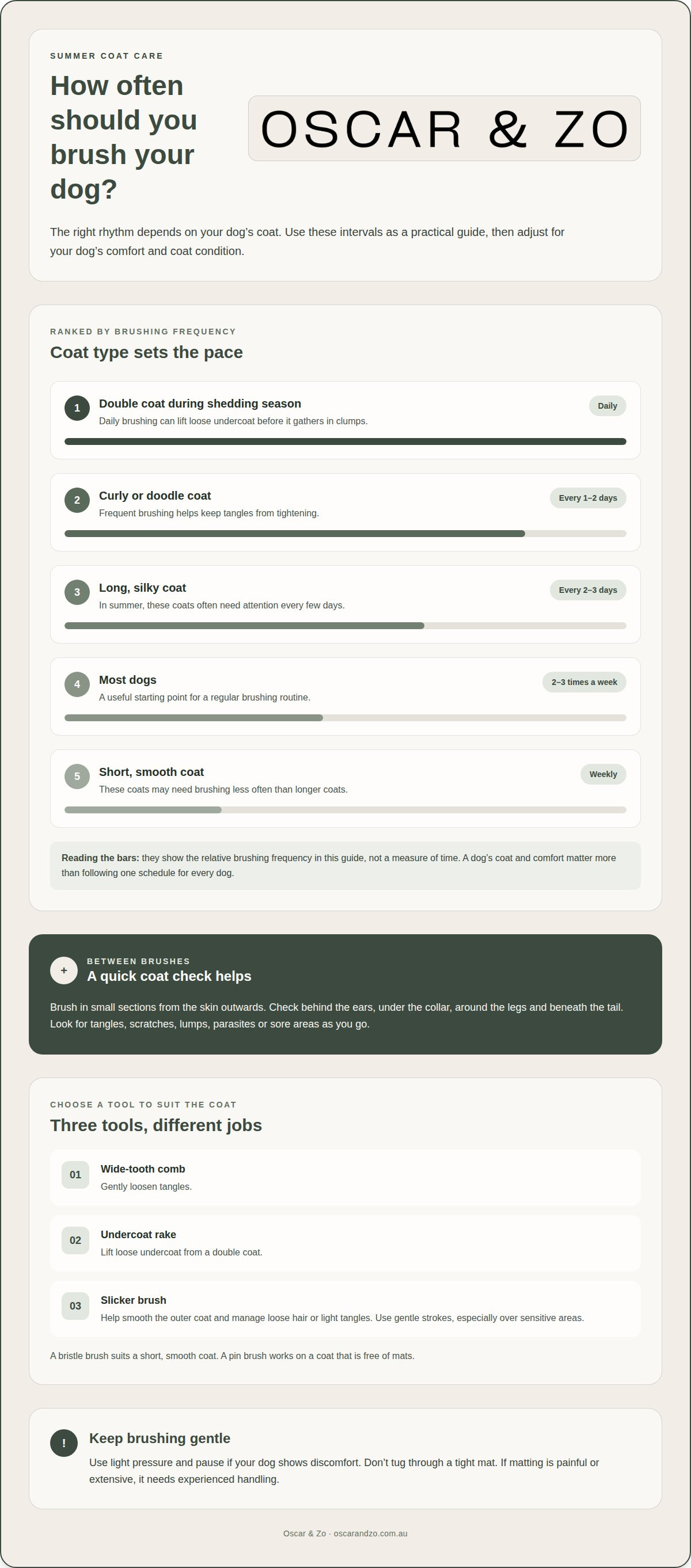
Choose a rhythm that suits the coat rather than following one schedule for every dog. Most dogs benefit from brushing two or three times a week. Short-coated dogs may need a weekly brush, while long, silky coats often need attention every 2-3 days during summer. Curly or doodle coats can need brushing every 1-2 days to keep tangles from tightening.
Double-coated dogs often shed their undercoat seasonally. During shedding season, daily brushing can lift loose undercoat before it gathers in clumps. A wide-tooth comb, undercoat rake and slicker brush each have a different role: loosen tangles gently, lift loose undercoat, then smooth the outer coat. Use light pressure and stop if your dog shows discomfort. The aim is to remove loose hair, not strip the coat.
To help prevent hot-weather matting, brush your dog in small sections from the skin outwards. Check behind the ears, under the collar, around the legs and beneath the tail. Hold a mat near the skin to reduce pulling, then gently tease it apart with your fingers or a suitable comb. Don’t tug through a tight mat; painful or extensive matting needs experienced handling.
Choose a brush to suit your dog’s coat. A bristle brush suits a short, smooth coat, while a pin brush works on a coat that is free of mats. A slicker brush can help with loose hair and light tangles, but use gentle strokes, especially over sensitive areas. As you brush, check the skin for scratches, lumps, parasites or sore areas.
Cats can benefit from brushing too, particularly long-haired cats. Regular sessions remove loose fur, help prevent matting and may reduce the hair swallowed during self-grooming. Use a suitable brush and keep each session calm and brief. If a tangle resists gentle combing, don’t pull it tight against the skin.
Keep the routine comfortable by brushing in a cool, quiet spot and pausing if your dog becomes restless. These summer dog grooming tips work best when brushing feels like a familiar part of care. For a considered coat-care routine, explore grooming tools for regular brushing.
3. Professional grooming and coat trimming
A professional groom can help when a coat needs shaping, a tidy-up or careful work around sensitive areas. Before booking, decide what would make everyday care easier: a shorter outline, neater feet or less length around the face. Clear priorities help the groomer suggest a style that suits your dog’s coat and home routine.
Share a few specific details with the groomer. Explain how often you brush, where tangles tend to appear, and whether your dog dislikes handling around its feet or face. Describe your preferred length in plain terms and discuss what’s practical for your dog. A photo can help communicate the general look you have in mind.
Ask the groomer to explain the proposed trim before work begins. Discuss which areas will be shortened, how the outline will look and whether the style needs upkeep between appointments. A neat face, for example, may need different maintenance from a simple tidy around the feet. Agreeing on a plan first helps avoid surprises.
If your dog finds grooming unsettling, explain what helps them stay calm. Mention familiar handling cues, past grooming experiences and any parts of the process that have been difficult. A patient pace and planned pauses can make an appointment more manageable. Tell the groomer if your dog becomes distressed during handling.
Australian councils don’t prescribe one grooming style for every dog. For routine coat care, base trimming decisions on your dog’s needs and comfort. If a local animal-management concern applies, consult the relevant council guidance.
Ask how to maintain the finished style at home. The advice may cover where to brush, which areas need regular checks and when the coat may need another tidy. A simple routine helps keep the style comfortable and manageable between appointments.
A professional grooming appointment can also be a chance to discuss coat changes you’ve noticed. Describe when the change began and where it appears, such as around the ears or legs. A groomer can explain what they observe, while skin irritation, sudden coat loss or other health concerns are best discussed with your veterinarian.
Choose an approach that supports your dog’s everyday comfort, not just a particular summer look. With a clear plan, thoughtful handling and manageable home care, grooming can become a calmer part of your dog’s routine.
4. Grass seed checks and paw-pad trimming
Long grass can leave seeds caught in your dog’s coat, especially around the feet, legs and belly. After a walk or play in grassy areas, check these spots before settling in at home. Part the coat with your fingers and look between each toe, around the paw pads and beneath the body. A quick, calm inspection can help you spot a seed before it gets hidden by fur.
Grass seeds can penetrate the skin, cause painful wounds and infections, and sometimes need surgery to be removed. Long-coated dogs can pick up seeds more easily as they move through grass. Look for seeds caught in the coat, and watch for swelling, redness, sensitivity or persistent licking. If a seed appears embedded, don’t dig or pull at it; contact your veterinarian for advice.
For a thorough summer check, work upwards from the paws. Gently separate the toes and inspect the skin between them, then check around the ankles, legs, belly and ears. Run your hands over the coat to feel for small, prickly seeds that may not be visible. After a run through long grass, check before brushing to avoid brushing a seed deeper into the coat.
Hair that grows over paw pads can collect dirt and seeds, so keep the area visible during routine grooming. If trimming is needed, remove only hair that obscures the pads, using suitable grooming tools and a steady hand. Don’t cut close to the skin or trim around a moving paw. If hair is matted against the pads, or your dog won’t stay still, leave the trim to an experienced groomer.
Ticks and fleas are more active during warmer months and can cause serious health issues. Regular coat checks, grooming and appropriate preventatives can help protect your dog. Part the coat to inspect the skin, paying attention to the ears, neck, legs and area beneath the collar. Ask your veterinarian which preventative suits your dog and local conditions.
Grooming helps you notice pests, but it doesn’t replace a preventative routine. After each outing, remove loose seeds from the coat and check the paws again. If you find an attached tick, or your dog develops unusual redness, discomfort or swelling, seek veterinary guidance rather than continuing to handle the area.
Paw care also means choosing where and when your dog walks. Hot pavement can discomfort or burn paw pads, so test the surface with your hand. If it feels too hot for you, it’s too hot for your dog. Choose a cooler time or grassy route, then check the pads for trapped seeds when you return.
5. Essential grooming tools
Build a grooming kit around the tasks your dog actually needs. Consider coat length, how easily it tangles and whether you groom at home or around bath time. A few comfortable, well-maintained tools are easier to use than a crowded kit filled with items that rarely leave the drawer.
Before choosing a tool, consider how it feels in your hand. A secure, comfortable grip can help you keep your movements controlled during longer sessions. Check that the working surface is smooth and undamaged, then use light pressure. If your dog shifts away or seems uncomfortable, pause rather than pushing on.
Set up a calm space before grooming begins. A non-slip mat can help your dog feel steadier on a hard surface, while a towel keeps the area comfortable and catches loose hair. Keep the tools you need within reach, so you don’t leave your dog unattended to search for something mid-session.
Bathing needs a different set-up from coat maintenance. Keep pet shampoo, a towel and a steady water supply nearby before wetting your dog. A handheld shower attachment can make rinsing easier to direct, particularly around the legs and underside. Use a gentle flow and keep water away from your dog’s face.
After each session, remove collected hair and clean tools according to their care instructions. Let them dry fully before putting them away. Before the next use, check handles, edges and working surfaces for wear. Damaged or rough tools can catch on hair, so set aside anything that no longer feels smooth and secure.
Store grooming tools in a dry place, separate from household cleaning products and children’s items. Keeping your kit together makes it easier to follow a familiar routine after an outing or before a bath. It also helps you notice when an essential item needs cleaning or replacing.
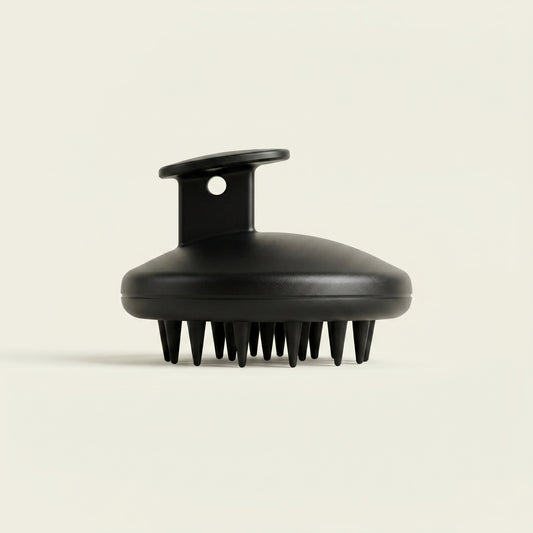
Choose each tool for a clear purpose, then introduce it gently. Let your dog investigate it before beginning, and keep early sessions brief if the sound or feel is unfamiliar. For a considered starting point, explore grooming tools for coat care and build a routine around your dog’s needs.
Oscar & Zo: Grooming Tools
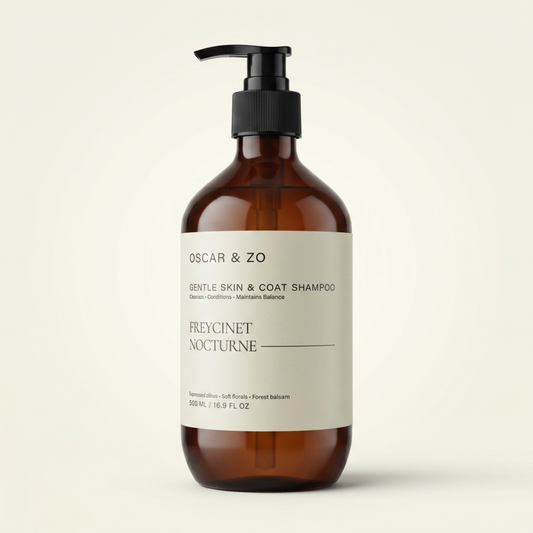
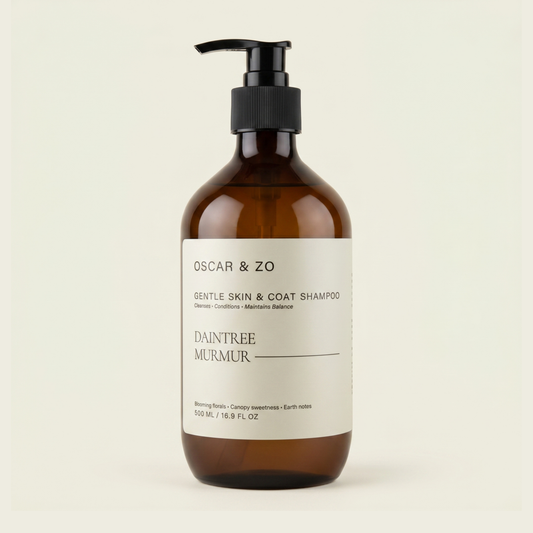
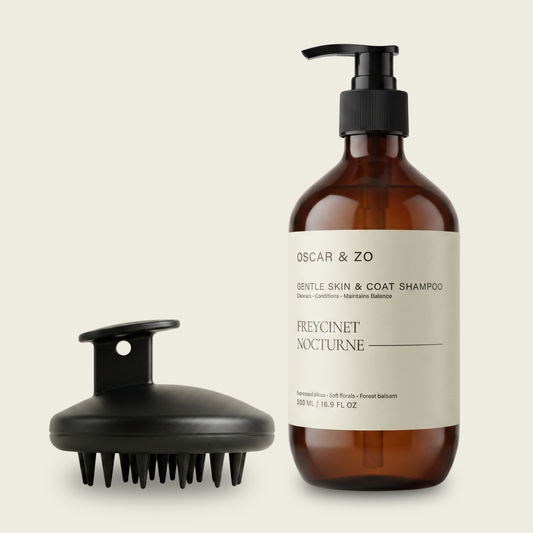
Oscar & Zo offers grooming tools to support the regular brushing and coat checks that help keep summer care manageable. Choose tools to suit your dog’s coat, and use gentle strokes to lift loose hair without pulling at tangles. For bath days, Skin & Coat Shampoo fits into a simple wash routine: apply as directed and rinse thoroughly.
These essentials are useful between professional grooming appointments, after outdoor play, or whenever your dog’s coat needs a little attention at home. A calm routine can make brushing, bathing and checking paws feel like familiar moments of care. If you’d like help finding the right Oscar & Zo essentials for your dog’s grooming routine, you’re welcome to contact us.
Make summer care part of your everyday rhythm
A comfortable grooming routine doesn’t need to feel like another task on a busy day. Let your dog’s coat and daily adventures guide what comes next, whether that means a quiet brush after a walk or a bath when the coat needs one. These summer dog grooming tips can become small, familiar moments of care.
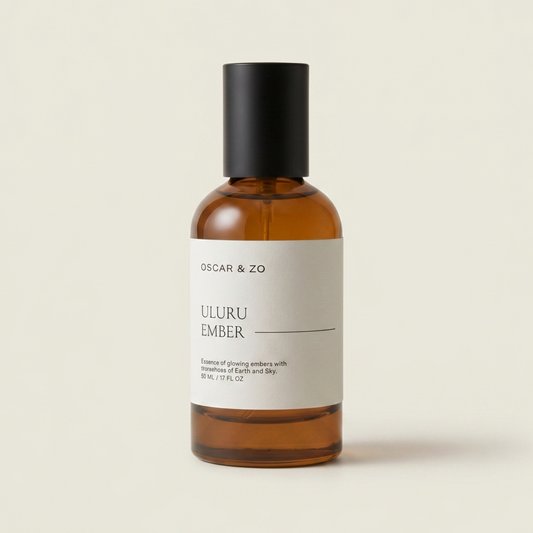
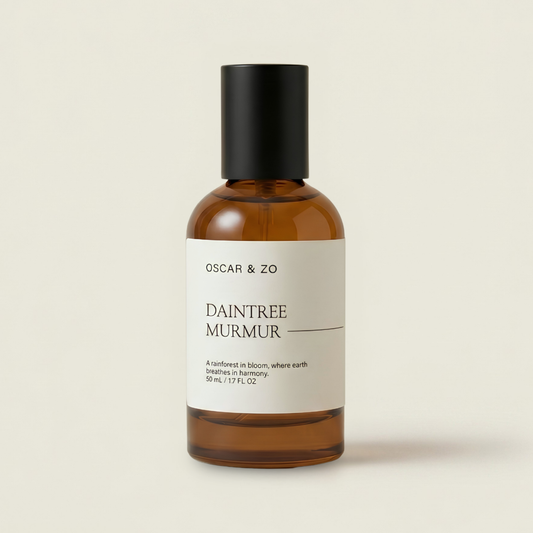
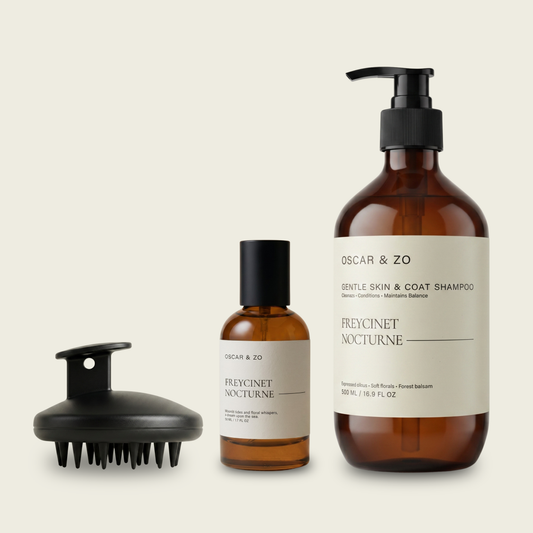
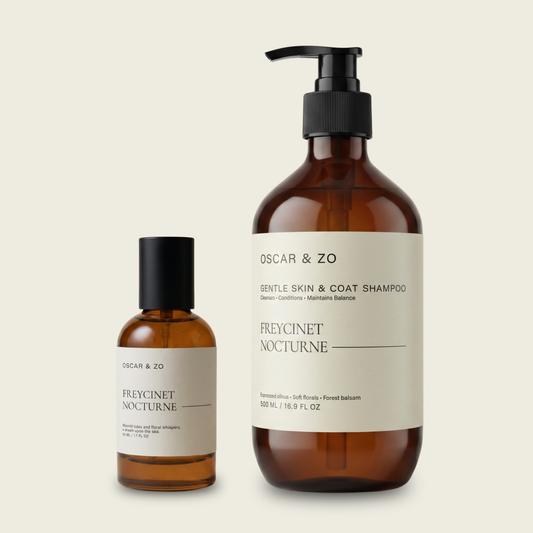
For home grooming, Oscar & Zo offers Skin & Coat Shampoo, Pet Fragrance, and Ritual Sets. Choose what suits your routine and use each product as directed. If you’re deciding where to begin or how grooming essentials might fit your dog’s care, connect with Oscar & Zo for grooming advice.
With consistency and a gentle approach, coat care can feel calmer for you and your dog. Let each season bring a routine that feels considered, comfortable and right for your companion.
Oscar & Zo for Summer Dog Grooming
Oscar & Zo offers Skin & Coat Shampoo, Grooming Tools and Ritual Sets to support your dog’s summer grooming routine.
When you’re exploring options for bath time or a finishing touch, Oscar & Zo also offers Pet Fragrance and a Discovery Set.
Frequently Asked Questions
Do dogs need summer baths?
Dogs need a bath when their coat is dirty, not simply because summer has arrived. If there’s only a small muddy patch, clean that area rather than washing the whole coat. After bathing, check for lingering shampoo around the belly, legs and collar area. A clean, dry towel and a calm place to rest make the finish more comfortable.
The great shave debate: Should you shave your dog?
Shaving isn’t a universal way to help dogs feel more comfortable in warm weather. Before choosing a close clip, consider the coat’s texture, your dog’s usual outdoor activities and whether the coat is tangled or difficult to manage. If mats are the concern, ask a groomer to assess them rather than cutting them out at home. A groomer can explain options for your dog’s individual coat.
How often should dogs be groomed in summer in Australia?
There’s no single grooming timetable for every dog in Australia. Coat growth, tangles, outdoor activities and how easily your dog tolerates handling all shape the routine. Inspect the coat and paws after outings, then arrange a professional tidy when the coat becomes hard to manage at home. A dog with a changing coat may need a different routine from one with a stable, easy-care coat.
Should you shave a dog's coat in summer, and which breeds should not be shaved?
Don’t decide whether to shave a dog based on breed name alone. Dogs with double coats, including Huskies, generally need their coat maintained rather than shaved close. Coat condition and the reason for clipping matter too. If your dog has severe matting, discuss safe removal with a groomer; pulling or cutting close to the skin can cause discomfort.
How to safely bathe and dry a dog during summer?
Prepare the bathing area before your dog gets wet, with towels, pet shampoo and a non-slip surface ready. Keep the water flow gentle and make sure your dog can stand securely. After rinsing, press a towel against the coat instead of rubbing vigorously. For a dense coat, part the hair as it dries and check for damp areas beneath the surface.
What water temperature and time of day are safest for summer dog baths?
Use comfortably lukewarm water and test it on your wrist before bathing your dog. Choose a cooler time of day, such as early morning or evening, rather than bathing in direct midday heat. Keep the bathing area shaded and well ventilated. If your dog is panting heavily or seems weak during the session, stop grooming and move them somewhere cool.