


Dog grooming mistakes to avoid, from bathing to brushing

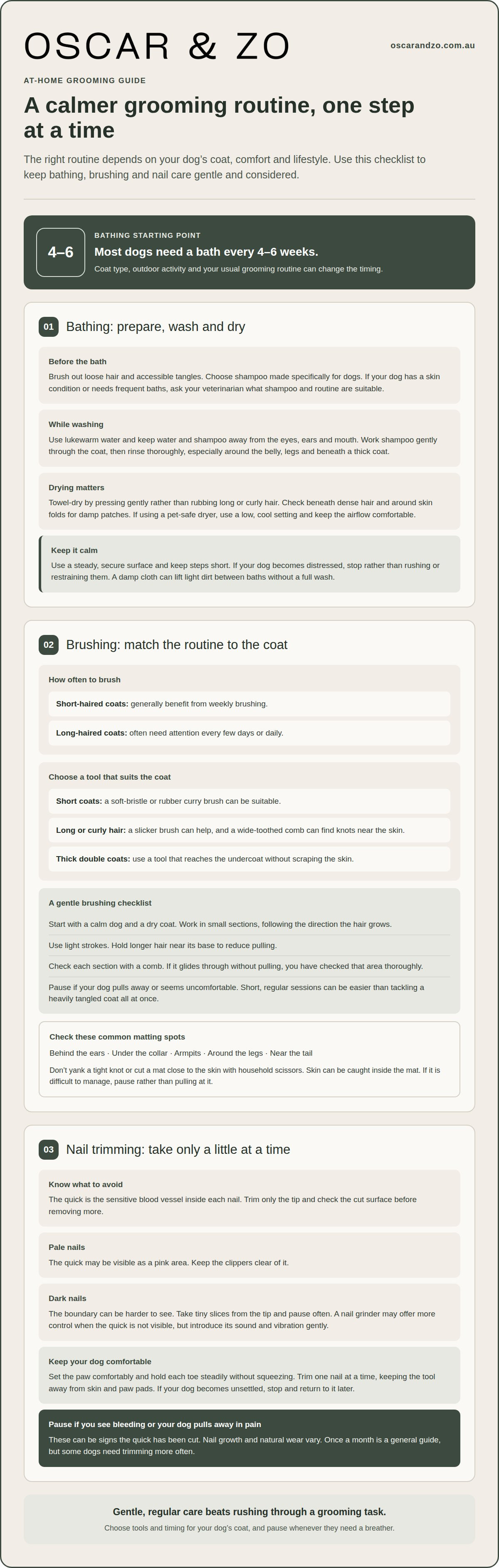
A single grooming routine won’t suit every dog. Most dogs need a bath every 4–6 weeks, but brushing frequency and the right tools depend on coat type, length and lifestyle. The dog grooming mistakes to avoid at home often begin with treating every coat the same.
It’s easy to assume that washing more often or brushing harder will leave a cleaner, neater coat. In practice, gentle, regular care is more comfortable: use shampoo made for dogs, ease through tangles patiently and choose tools suited to your dog’s coat.
This guide covers bathing and brushing routines, safer nail trimming and care for short, long and double coats. You’ll also learn when to pause instead of pushing through a grooming task, so everyday care can feel calmer and more comfortable for you and your dog.
Key Takeaways
- Most dogs need a bath every 4–6 weeks, but coat type, activity and grooming routine can change the timing.
- Use shampoo made for dogs, rinse thoroughly and dry the coat well to keep bath time comfortable.
- Brush gently in small sections and pay extra attention to areas where tangles often form, such as behind the ears and under the collar.
- Trim only the nail tips and take care to avoid the quick, the sensitive blood vessel inside each nail.
- Choose grooming tools and routines to suit your dog’s coat, from short and smooth to long or double-coated.
1. Bathing frequency and dog-safe shampoo
For most dogs, a bath every 4–6 weeks is a sensible starting point. Daily bathing can strip natural oils from the coat, leaving skin more prone to irritation. Your dog’s coat, outdoor activity and usual grooming routine also matter. A dog who often plays in muddy parks may need a bath sooner than one who stays mostly indoors.
Choose shampoo made specifically for dogs. Human shampoo may irritate a dog’s skin, so check the label before wetting your dog and follow the product directions. If your dog has a skin condition or needs frequent bathing, ask your veterinarian which shampoo and bathing routine are suitable.
Before bathing, brush out loose hair and accessible tangles. Wet the coat with lukewarm water, keeping water and shampoo away from the eyes, ears and mouth. Work pet shampoo gently through the coat rather than scrubbing roughly, then rinse thoroughly. Pay particular attention to the belly, legs and areas beneath a thick coat, where product can be harder to wash out.
Drying is part of the bath, not an optional finishing step. Towel-dry first, pressing gently rather than rubbing long or curly hair into knots. A damp coat can encourage tangles, trap loose undercoat and develop a musty smell. If using a pet-safe dryer, choose a low, cool setting and keep airflow comfortable.
To safely clean your dog’s ears, use a veterinarian-recommended ear-cleaning solution on a soft cloth or cotton pad, and wipe only the visible area. Don’t insert anything deep into the ear canal. For eyes, gently wipe around them with a clean, damp cloth, using a fresh section for each eye.
For a nervous or wriggly dog, keep bathing steps short and calm. Use a steady, secure surface, speak softly and reward settled behaviour. If your dog becomes distressed, stop rather than restraining or rushing them; consult a professional about a gentler approach.
Between baths, a damp cloth can lift light dirt from paws or the coat without a full wash. Grooming wipes made for dogs are another option. Avoid using human grooming products between washes, as they can irritate skin or disturb the coat’s natural oils.
After bathing, check the coat from skin to ends, especially beneath dense hair and around skin folds. Separate sections with your fingers to find damp patches, then towel-dry them carefully. Set the bathing schedule around your dog’s needs and routine, rather than bathing more often simply to maintain a fresh scent.
2. Gentle brushing and checking hard-to-reach areas
Brushing frequency depends on coat type, length and how easily the hair tangles. Short-haired dogs generally benefit from weekly brushing, while long-haired coats often need attention every few days or daily. Regular, brief sessions help remove loose hair and catch small knots before they tighten into mats.
Match the brush to your dog’s coat. A soft-bristle or rubber curry brush can suit short coats, while a slicker brush can help with longer or curly hair. Long coats may also need a wide-toothed comb to find knots near the skin. For a thick double coat, choose a tool that reaches the undercoat without scraping the skin.
Start with a calm dog and a dry coat. Work in small sections, brushing in the direction the hair grows, from the outer coat towards the skin. Use light strokes and hold longer hair near its base to reduce pulling. If a knot resists, pause and gently tease it apart with your fingers or a suitable comb.
Brushing only the surface can leave tangles hidden underneath. After brushing each section, pass a comb through the coat to check for snags. Move carefully over the chest, belly and legs, where longer hair can catch on grass, collars or harnesses. If the comb glides through without pulling, you’ve checked that area thoroughly.
Give extra attention to common matting spots: behind the ears, under the collar, in the armpits, around the legs and near the tail. Check these areas during your routine, particularly after walks or when removing a collar. Mats can form close to the skin, where pulling may cause discomfort and brushing can be difficult.
Never yank a brush through a tight knot or brush against the direction of hair growth. Rough strokes and unsuitable tools can damage the coat or make brushing uncomfortable. If a mat is close to the skin, don’t cut it out with household scissors. Skin can be caught inside the mat, making a cut easy to misjudge.
Double-coated dogs, including huskies and retrievers, need regular brushing to manage loose undercoat and reduce tangles. Work through the undercoat gently, then check with a comb. Don’t focus only on visible shedding: compacted undercoat can sit beneath the top layer and hide knots or irritated skin.
Keep sessions short enough for your dog to remain settled, and pause if they pull away or show discomfort. A few minutes of gentle brushing as part of a routine is easier than tackling a heavily tangled coat all at once. Regular checks also help you notice changes in the skin beneath the coat.
3. How do I know if I’m cutting my dog’s nails too short?
If a nail starts bleeding during trimming, or your dog suddenly pulls away in pain, you may have cut into the quick, the blood vessel inside the nail. To avoid it, remove only a small amount from the tip and check the cut surface before trimming further.
For pale nails, the quick may be visible as a pink area. Keep the clippers clear of it. Dark nails make the boundary harder to see, so take tiny slices from the tip and pause often. A nail grinder can give you more control when the quick isn’t visible, but introduce its sound and vibration gently.
Set your dog’s paw in a comfortable position and hold each toe steadily without squeezing. Trim one nail at a time, keeping the tool away from the skin and paw pads. If your dog becomes unsettled, stop and return to the task later. A calm pause is safer than trying to finish while they wriggle.
Frequency varies with how quickly nails grow and how much they wear down naturally. A general guide is once a month, while some dogs need trimming every 3–4 weeks or every couple of weeks. Dogs who walk mainly on grass or spend much of their time indoors may need more frequent attention. If nails click on the floor, it’s time to check their length.
Overgrown nails can affect walking comfort and posture. In some cases, long nails may curl towards the paw pads. Check all paws during routine care, including dewclaws, which may not touch the ground. Regular, small trims are easier to manage than waiting until nails become very long.
To reduce the risk of clipper burns, cuts and skin irritation, use clean, sharp tools and work slowly over a dry, untangled coat. Keep clipper blades flat against the coat and away from skin folds. Stop if a blade feels hot or your dog shows discomfort. Dull clippers can tug on fur, so work carefully.
Don’t use household scissors to cut out a mat. Mats can sit close to the skin, and the blades may catch skin hidden inside the hair. For a tight mat, or if your dog reacts painfully to nail trimming, pause and seek help from a professional groomer or veterinarian.
Exercise can help manage nail length, but it doesn’t replace regular checks. Pavement may wear nails differently from grass, and breeds and walking routines vary. Pair a brief paw check with brushing or another familiar care routine, and trim only what you can see clearly.
4. Choosing tools for different coat types
A brush that suits a short coat may miss loose hair beneath a dense double coat. Part your dog’s coat and note its length, texture and undercoat. Short-haired dogs often suit a soft or short-bristle brush, while long or curly coats may need a slicker brush. For thick coats, choose a tool that reaches the undercoat without scraping the skin.
Match the comb to the coat as well. A fine-toothed comb can help check short hair, while a wide-toothed comb can work through longer strands and reveal tangles. For double-coated breeds, an undercoat rake can help manage seasonal shedding. Use gentle strokes and stop if the tool catches, pulls or makes your dog uncomfortable.
Common grooming mistakes include choosing a tool based on appearance alone, brushing only the top layer or using too much pressure. Test a new brush on a small area first. If its teeth scratch the skin or snag the coat, set it aside. A suitable tool should move through the hair without force.
Choose grooming products for your dog and tools for the coat you’re caring for. Use dog-specific shampoo for bathing. A long-haired dog, for example, may need both a suitable brush and a comb to check beneath the surface. Clean tools help remove loose hair without transferring dirt back through the coat.
There’s no single safe clipping length for every dog. It depends on coat type, texture, skin condition and the area being trimmed. Avoid shaving a double coat close to the skin, as removing it can reduce insulation and expose skin to sunburn. For a practical haircut, consider your dog’s comfort, activity and the brushing their coat will need afterwards.
Choose a style that’s manageable between appointments, not just neat on clipping day. A longer cut may need frequent brushing to prevent tangles, while a shorter trim can be easier to maintain for an active dog. A professional groomer can help when the style, coat condition or clipping technique is difficult to manage safely at home.
Stop home grooming if your dog becomes distressed, a mat sits close to the skin or you can’t handle the tools safely. For a skin injury, irritation or sudden coat change, contact your veterinarian. A groomer can assist with coat trimming, but skin concerns need veterinary advice.
Before each session, check that scissors and clippers are clean, sharp and suitable for the task. Never use household scissors to cut out mats, which may conceal skin close to the blades. Keep trimming to areas you can see clearly, and leave difficult mats or complicated coat work to a professional groomer.
5. Grooming according to coat type
For most dogs, bathing every 4–6 weeks is a useful starting point, whatever their coat type. Brush short-haired dogs weekly, and give long-haired coats daily attention. Double coats need regular brushing to loosen shed hair and prevent tangles, with timing guided by coat density and shedding.
A short-haired dog, such as a greyhound, may need less brushing than a long-haired breed. Use a soft brush to lift loose hair, then check the skin for irritation. Weekly brushing can still help you notice changes beneath the coat, even when the hair looks smooth.
Long-haired dogs, including breeds with flowing coats, need consistent brushing to prevent knots tightening close to the skin. Divide the coat into small sections and work gently from the ends towards the roots. Check behind the ears, under the collar and around the legs, where friction can form mats.
Curly-coated dogs can also develop tangles quickly. Brush in sections and use a comb to check that you’ve reached through the coat. If a knot resists, don’t pull hard or cut it out with household scissors. A tight mat may hide skin, making it difficult to trim safely at home.
Double-coated breeds, such as huskies and retrievers, have a topcoat and insulating undercoat. Brush regularly to loosen shed hair, especially during seasonal shedding. Avoid shaving a double coat for warm weather: removing it can reduce insulation, expose skin to sunburn and interfere with temperature regulation.
Single-coated dogs still need grooming. A smooth coat can collect loose hair and develop tangles, particularly around collars or harnesses. Check the coat after walks, then brush in the direction the hair grows. Adjust your routine if the coat becomes knotted or brushing causes discomfort.
Bathing needs depend on more than coat length. Outdoor activity, dirt and your dog’s skin condition can affect timing, so bathe sooner when the coat is dirty. Rinse shampoo thoroughly and dry dense coats well, as trapped dampness can leave hair tangled or musty.
Choose clippers and brushes for the coat and task, not simply the style you prefer. A short trim may be easier to maintain, while longer coats need frequent brushing. Keep double coats intact unless a veterinarian or experienced professional recommends otherwise for an individual need.
A complete routine can include coat checks alongside paw, ear and dental care. Brush teeth several times a week with dog-specific toothpaste, if your dog tolerates it. Keep sessions gentle, pause at signs of discomfort, and let coat type guide the pace and tools you use.
Oscar & Zo: Grooming Tools
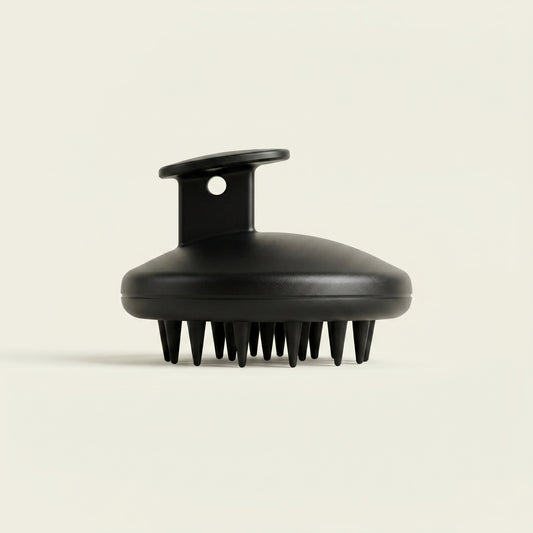
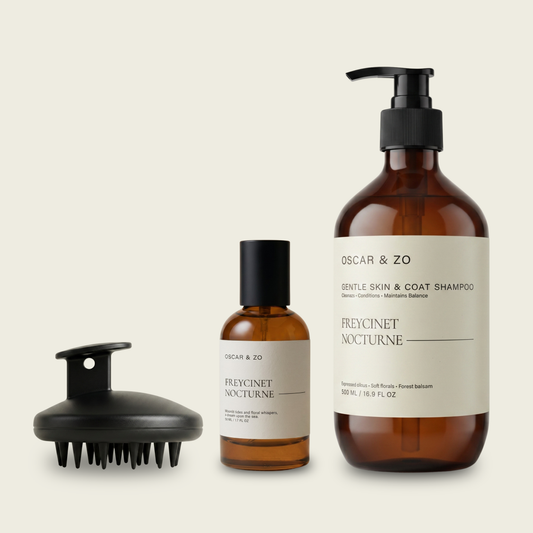
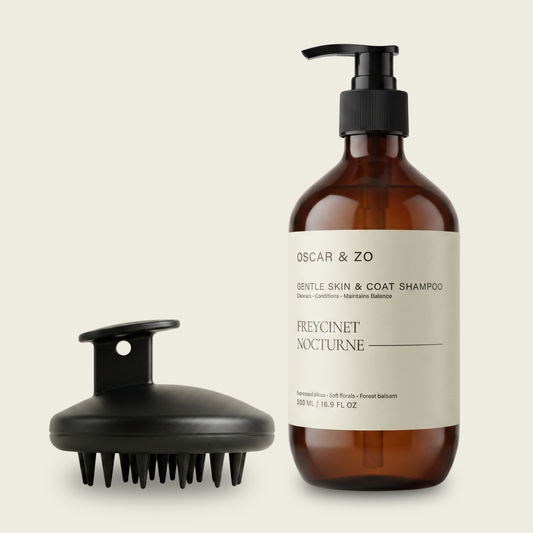
Oscar & Zo offers Grooming Tools to support a considered home-care routine, from regular brushing to coat checks between baths. Choose tools with your dog’s coat type and comfort in mind, and use gentle strokes rather than forcing a brush through knots.
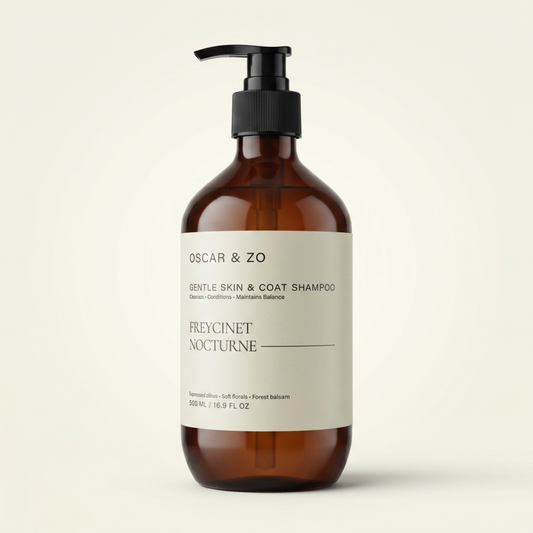
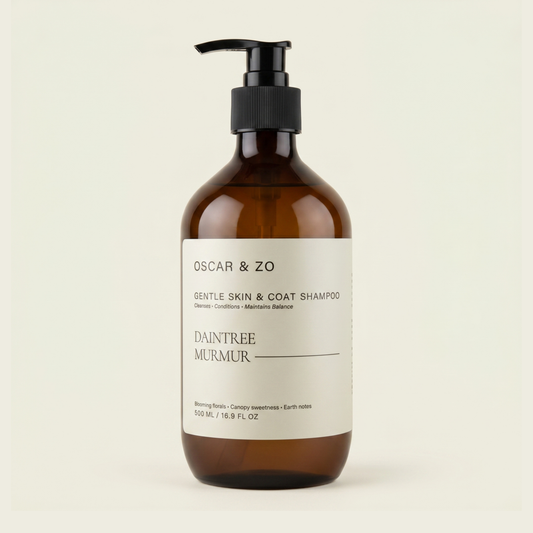
For bath time, Skin & Coat Shampoo is a dog-specific option for your grooming routine. Ritual Sets bring grooming essentials together, while Pet Fragrance can refresh the coat between washes.
For tight mats, nail care that feels difficult or skin concerns, pause home grooming and seek help from a professional groomer or veterinarian as appropriate. Explore Oscar & Zo’s grooming essentials, including Skin & Coat Shampoo, Grooming Tools and Ritual Sets, to support your dog’s routine.
Make grooming a routine that grows with your dog
A useful next step is to make grooming feel familiar rather than occasional. Choose a calm moment, keep the setting consistent and let your dog become comfortable with the sounds and sensations involved. Their response can guide the pace, helping you shape a routine that feels manageable for both of you.
Learning which dog grooming mistakes to avoid at home can help you approach each session with patience. Notice what your dog settles into, and adjust the routine as their coat, comfort or tolerance changes. If a grooming task feels difficult to manage safely, professional guidance can help you decide how to proceed.
For a considered place to begin with grooming essentials, you’re welcome to contact Oscar & Zo for grooming help. With a little consistency and a gentle approach, grooming can become a quieter part of caring for your dog.
Frequently Asked Questions
How often should I groom my dog?
Set grooming frequency around your dog’s coat and how quickly it becomes tangled or dirty. Rather than scheduling every task together, separate coat care, bathing and paw checks into a routine that suits your dog. A quick look after outdoor adventures can help you decide whether they need attention sooner. Adjust the routine when shedding, activity or coat condition changes.
Can I use human shampoo on my dog?
No. Choose a shampoo labelled for dogs. Before bathing, read its directions and use it only as instructed, rather than assuming a smaller amount of a human product will be suitable. Keep the bottle nearby so you can check the directions during use. If your dog has a diagnosed skin condition or allergies, ask your veterinarian which products are appropriate.
How do I deal with matting in my dog’s coat?
First, assess whether the knot moves freely or feels firm against the skin. You may be able to ease a loose tangle apart gently, but leave a dense or painful mat to a professional groomer. Don’t pull at it or try to cut it out. Afterwards, note where the mat formed and check that area during future grooming.
How do I know if I’m cutting my dog’s nails too short?
Bleeding or a sharp reaction during a trim can mean the nail has been cut too short. Stop the session and keep your dog settled. For future trims, work in a bright space where you can see each nail clearly, and don’t rush to finish every paw at once. Ask a professional for help if you’re unsure.
Should I shave my double-coated dog in summer?
Shaving a double-coated dog for summer isn’t recommended. A shorter appearance doesn’t mean the coat is better suited to warm weather, and clipping can affect its protective role. Maintain the coat instead, and seek advice before making a substantial change to its length. If heat is affecting your dog’s comfort, speak with your veterinarian about suitable care.
What are the most common dog grooming mistakes to avoid at home?
Common pitfalls include rushing a session, continuing when a dog is distressed and using a tool for a task it wasn’t designed to do. Set up towels, tools and dog-specific products before starting, so you don’t need to leave your dog unattended. Keep each task manageable, and stop if the coat, skin or your dog’s behaviour makes safe handling difficult.
What dog shampoo and grooming tools are safe to use at home in Australia?
Choose products labelled for dogs and tools suited to the coat and task. Oscar & Zo offers Skin & Coat Shampoo and Grooming Tools for home grooming. Follow product directions, keep products away from eyes, ears, mouth and broken skin, and discontinue use if irritation occurs. For allergies or a diagnosed skin condition, consult your veterinarian before trying a new product.
How can you trim a dog's nails without cutting the quick?
Trim gradually in a well-lit space, taking a small amount from the tip before reassessing the nail. Hold your dog’s paw steady without squeezing, and stop if they pull away or become unsettled. Dark nails can make the quick difficult to see, so a nail grinder may offer more control. If you’re uncertain, ask a professional to demonstrate safe handling.