


How to Use Dog Conditioner Between Baths and for Brushing

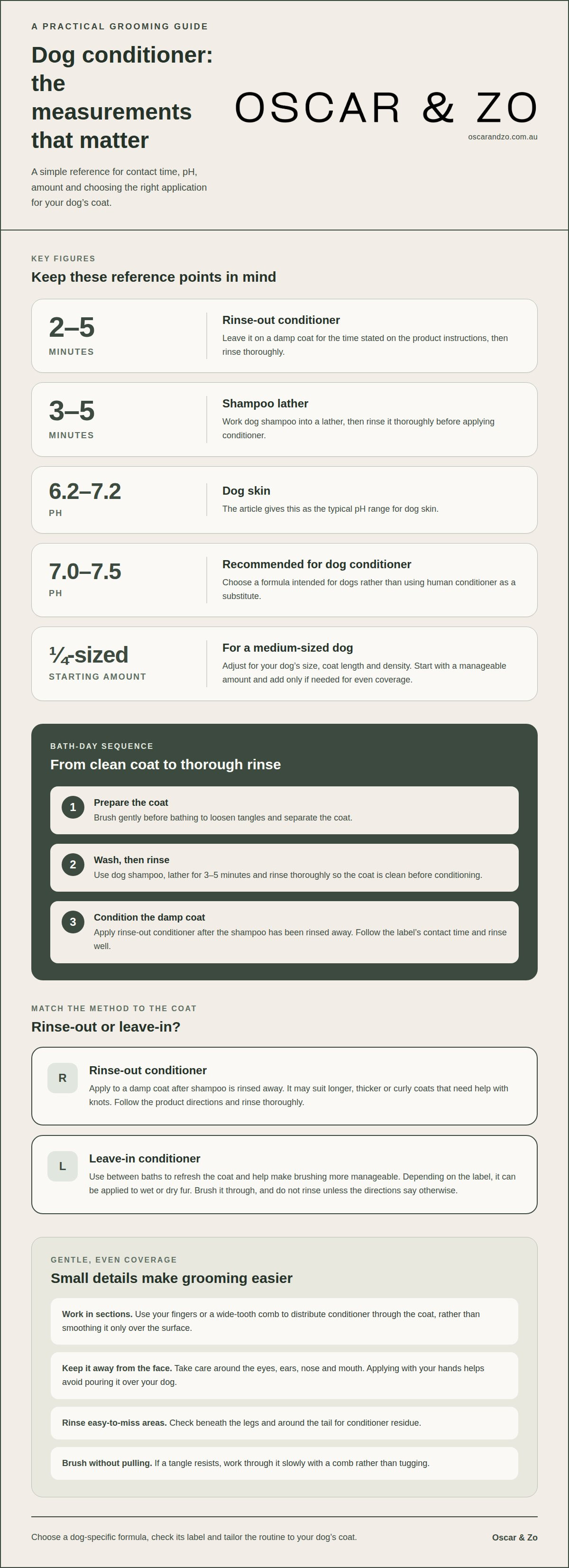
Conditioner isn’t only for bath day. To use dog conditioner effectively, apply a rinse-out formula to your dog’s damp coat after shampoo has been thoroughly rinsed away, leave it on for 2-5 minutes according to the product instructions, then rinse well. Between baths, a leave-in conditioner can be applied to a wet or dry coat and brushed through.
It’s understandable to want softer fur, easier brushing and less loose hair without making grooming feel like a chore. The right approach depends on your dog’s coat and the conditioner you choose: longer or curly coats may benefit from rinse-out conditioning, while leave-in products can help refresh the coat between washes.
Here, you’ll learn how to choose a conditioner for your dog, apply it comfortably and include it in a calm brushing routine. Paying attention to the product directions, where you apply it and how much you use can help keep grooming gentle and manageable.
Key Takeaways
- Choose a dog-specific conditioner that suits your dog’s coat, grooming needs and skin sensitivity.
- For rinse-out conditioning, apply it to a damp coat after shampoo is rinsed away, then follow the product’s instructions and rinse thoroughly.
- Use leave-in conditioner between baths to freshen the coat and make brushing more manageable.
- Adjust the amount to your dog’s size and coat, spreading it evenly rather than concentrating it in one area.
- Brush gently through tangles and pay extra attention to spots where knots commonly form, such as behind the ears and beneath the legs.
Choosing a conditioner for coat type and skin sensitivity
Avoid using human conditioner on dogs, as it may disrupt their natural coat balance. Choose a dog-specific formula and match its application method to your dog’s coat, skin and grooming routine.
-
Assess coat and skin needs
Start by considering your dog’s coat length, texture and tendency to tangle. A long, curly coat may need more help with knots than a short coat that sheds minimally. Notice whether your dog’s skin seems sensitive or the coat feels dry or oily. These details can guide your choice; conditioner may leave a very oily coat feeling greasy.
-
Match conditioner type to coat and skin
Choose a dog conditioner designed for your dog’s coat and intended use. Rinse-out conditioning can suit longer or thicker coats that need deeper conditioning, while leave-in products can help with brushing between baths. Some formulas contain ingredients such as aloe vera, oatmeal or natural oils, which may suit sensitive skin. Read the ingredient list and follow the product directions, especially if your dog reacts to grooming products.
-
Consider coat length and dog size
Let coat length and density guide the amount, then adjust for your dog’s size. A medium-sized dog may need a quarter-sized amount, while a long, thick coat may need more coverage than a short coat on a similarly sized dog. Start with a manageable amount and add only if needed to distribute the conditioner evenly.
- Choose a formula with a dog-appropriate pH. Dog skin typically has a pH of 6.2 to 7.2, and dog conditioners are recommended at around 7.0 to 7.5 pH. These ranges help explain why human conditioner isn’t the right substitute. Keep the product label in view and choose one intended for dogs rather than relying on human hair-care products.
- Work conditioner through the coat instead of smoothing it only over the surface. Gently separate thicker fur with your fingers or a comb, then distribute the product through the coat towards the skin. This helps reach dense areas and supports even coverage. Avoid vigorous rubbing, which can tighten tangles.
- Shape your routine around your dog’s coat. A short-haired dog with minimal shedding may need conditioner less often than a long-haired dog prone to knots. Brush gently to loosen tangles before they become difficult to manage, paying attention to areas behind the ears, beneath the legs and around the tail. For ongoing skin concerns, ask your veterinarian for advice tailored to your dog.
Applying conditioner to wet or dry coats
Apply rinse-out conditioner to a damp coat after rinsing away the shampoo. Leave-in products may be used on wet or dry fur, depending on the label. Knowing how to use dog conditioner effectively starts with choosing the right application method.
-
Prepare the coat for conditioner
Brush your dog gently before bathing to loosen tangles and separate the coat. Wet the fur with lukewarm water, keeping the stream away from the face and ears. Apply dog shampoo, work it into a lather for 3-5 minutes, then rinse thoroughly. Clean fur helps conditioner spread evenly, while leftover shampoo can interfere with the next step. A non-slip mat can also help your dog feel steady during bath time.
-
Apply conditioner to wet fur
Once you’ve rinsed out the shampoo, apply rinse-out conditioner to the damp coat. Work through the fur in sections, using your fingers or a wide-tooth comb to distribute it evenly. Take care around the eyes, ears, nose and mouth. Keep conditioner away from these areas by applying it with your hands rather than pouring it over your dog. Applying it section by section makes missed areas easier to spot.
-
Choose diluted or direct application
Check the product label before diluting conditioner. Apply it directly unless the directions say it needs dilution; for a long or thick coat, a little water can help spread it more easily. Prepare any dilution before bath time if the product requires it. Don’t assume every formula should be diluted, as the label guides the correct method.
- Follow the stated contact time. Dog conditioner is generally left on for 2-5 minutes, according to the product instructions. Use this time to keep your dog settled and the product away from their face. Rinse thoroughly with lukewarm water afterwards, including beneath the legs and around the tail, where residue can be easy to miss.
- Use leave-in cream differently from rinse-out conditioner. Start with a small amount, then adjust it to your dog’s size and coat type. Smooth it through the fur and brush the coat afterwards. For a leave-in spray, follow the label, mist lightly and brush through. Leave-in products don’t need rinsing unless the directions say otherwise.
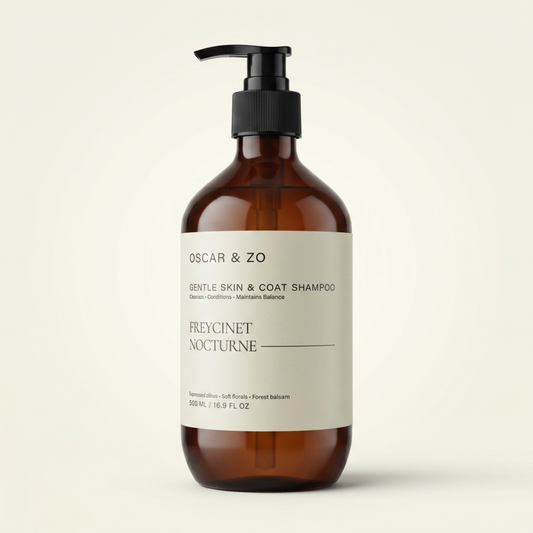
- Dry and finish gently. Use a towel to remove excess water, then brush through the coat without pulling at knots. If a tangle resists, work through it slowly with a comb rather than tugging. Part of learning how to use dog conditioner effectively is matching each step to the product type and your dog’s coat. For bath-day care, explore dog Skin & Coat Shampoo as part of your grooming routine.
Using leave-in conditioner between baths
Leave-in conditioner can refresh your dog’s coat between baths and help make brushing easier. Knowing how to use dog conditioner effectively means choosing a leave-in product for between-bath care, rather than leaving a rinse-out formula on the fur.
-
Distinguish leave-in from wash-out products
Match the product type to the grooming task. Leave-in conditioner stays on the coat and can help with brushing or static between baths; rinse-out conditioner is applied during a bath and washed away. Check the label, as application methods differ. Don’t leave a wash-out product on the coat unless its directions specifically say to.
-
Allow the recommended leave-in time
Follow the label rather than applying one timing rule to every product. Rinse-out conditioner is generally left on for 2-5 minutes before rinsing, according to its instructions. Leave-in spray is intended to remain on the coat, so don’t rinse it away. For leave-in cream, brush it through after application and follow the product directions about how much to use.
-
Consider safe conditioning frequency
Set the routine according to your dog’s coat and grooming needs. Conditioning 1-2 times per week is one guide, with frequency depending on coat type and individual needs. A short coat with minimal shedding may need less frequent conditioning than a long coat prone to tangles. Pay attention to how the coat feels between grooming sessions and avoid adding product without a clear need.
- Use leave-in conditioner when brushing needs extra support. Shake a spray before use, mist it lightly over a wet or dry coat, then brush through. For cream, start with a pea-sized amount and adjust for your dog’s size and coat type. Apply a little at a time so it spreads through the fur without leaving a heavy or sticky feel.
- Work slowly through knots rather than pulling. For a difficult tangle, apply leave-in spray directly to the area, then loosen the hair gently with a comb and slicker brush. Long coats can knot behind the ears, beneath the legs and around the tail. Separate small sections as you brush, keeping each movement calm and controlled.
- Let your dog’s coat guide between-bath care. Dust, dry conditions and regular activity can leave fur harder to manage, while gentle brushing helps prevent knots from tightening. A practical part of learning how to use dog conditioner effectively is noticing whether a light leave-in application makes brushing more comfortable. If your dog has ongoing skin discomfort, speak with your veterinarian before changing products or grooming frequency.
Benefits for hydration, shine, irritation, tangles and shedding
Dog conditioner can replenish moisture lost during bathing, soften fur and make brushing easier. The benefits depend on your dog’s coat and how you apply the product.
-
Review rinse-out conditioner benefits
Use rinse-out conditioner after shampooing when your dog’s coat needs moisture or conditioning. Longer and thicker coats can be harder to brush, so distributing conditioner through the fur may help loosen tangles. During drying and brushing, it may also help release loose hair already in the coat. Conditioner supports grooming, but it doesn’t stop natural shedding.
-
Consider hydration, shine and tangles
Choose a conditioner to suit the coat, rather than expecting the same effect for every dog. Dry or curly coats may benefit from moisture after bathing, while conditioner can help short-haired dogs maintain softness and shine. For a long coat prone to knots, use your fingers or a wide-tooth comb to distribute the product through the fur. Brush gently afterwards to work through tangles without pulling.
- Check the ingredient list if skin sensitivity is a concern. Some conditioners contain ingredients such as aloe vera, oatmeal or natural oils, but these don’t replace veterinary care for ongoing discomfort. If your dog develops itching or irritation after conditioning, stop using the product and rinse the coat thoroughly with lukewarm water. Speak with your veterinarian if the discomfort continues.
- Apply conditioner with a gentle massage rather than vigorous rubbing. Work it through the coat evenly, especially in areas that tangle easily, such as behind the ears or beneath the legs. Careful distribution helps prevent some sections being coated while others remain dry. Follow the product directions for contact time, then rinse thoroughly if it’s a wash-out formula.
- Assess the coat once it dries. Notice whether brushing feels smoother and the fur seems softer or shinier. If the coat feels greasy, use less next time or reconsider whether conditioning suits your dog’s coat. Short-haired dogs with minimal shedding may need conditioner less often than long-haired dogs. Adjust the routine to the coat’s texture and condition.
- Keep expectations about shedding realistic. Conditioner may help release loose hair during brushing and drying, making it easier to remove from the coat. It won’t prevent shedding, and the amount of loose fur varies with coat type. Brush gently after bathing and collect loosened hair as you go, rather than pulling attached fur.
How much dog conditioner should you use based on coat length and size?
Use the product directions as your starting point, then consider your dog’s size, coat length and thickness. A medium-sized dog may need a quarter-sized amount, while longer or denser fur may need more for even coverage.
- Read the conditioner label before measuring an amount. Product directions take priority because formulas can differ in consistency and application. For a medium-sized dog, a quarter-sized amount can be a useful starting guide. Treat it as a starting point, not a fixed amount for every coat or product.
- Consider your dog’s size and the area you’re conditioning. A smaller dog has less coat to cover than a larger dog, so begin with less product when the label allows flexible application. For a larger dog, spread conditioner over the coat in sections. This makes it easier to see whether the fur is evenly covered.
- Factor in coat length and density. Short fur usually needs less product than a long, thick coat. A long-haired dog may need more conditioner to reach through the outer coat and into denser sections. Add only enough to cover the coat evenly, rather than applying a large amount at once.
- Apply conditioner to a damp coat after rinsing away the shampoo. Work through one section at a time, such as the back, sides and legs. Use your fingers or a wide-tooth comb to distribute the product through the fur. Check beneath the body and around the tail, where long hair can make coverage harder to judge.
- Adjust the amount according to how the coat feels as you apply the conditioner. If a section remains dry or the product won’t spread through dense fur, add a little more and work it through. For long or thick coats, water may help distribute conditioner more easily if the product directions allow it. Avoid concentrating the product in one spot.
- Rinse wash-out conditioner thoroughly, following its label. Leftover product can make the coat feel coated or greasy. After rinsing, towel-dry your dog and brush gently to assess the result. If the coat feels heavy, use less next time; if some areas still feel rough, focus on distributing the product more evenly.
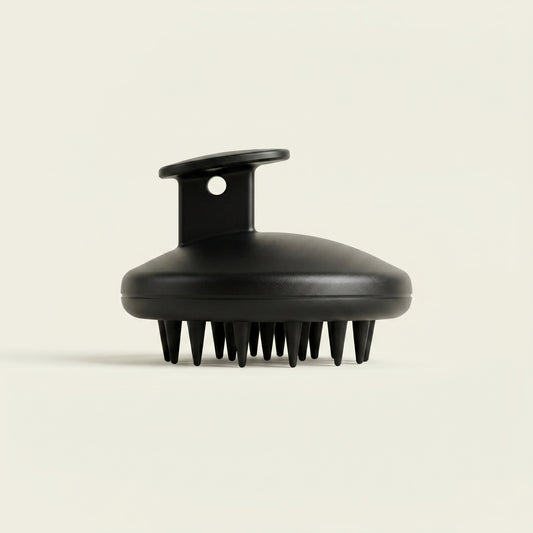
- Keep the next grooming session consistent. Note whether your dog’s coat is short or long, fine or dense, and how much conditioner gave even coverage. That simple observation helps refine the amount for future baths without guessing. For more comfortable coat care, explore grooming tools to help distribute conditioner and brush gently.
Oscar & Zo
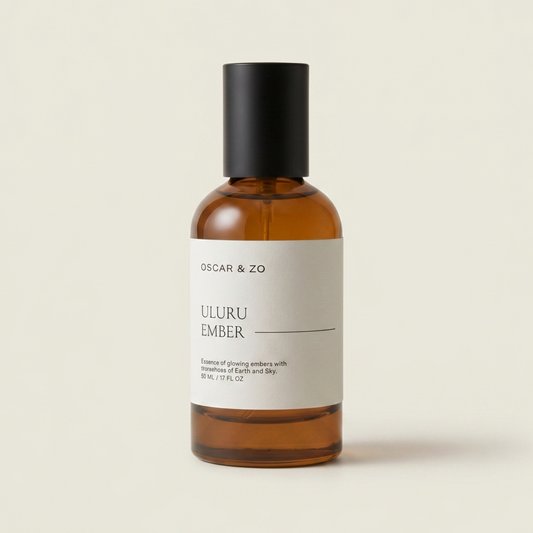
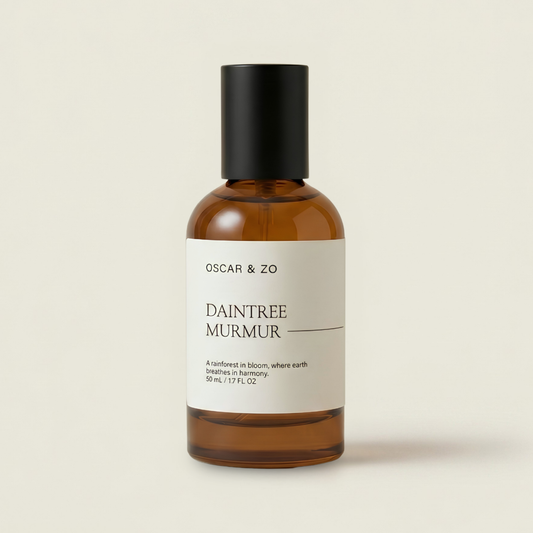
Oscar & Zo offers grooming essentials for a considered bath and brushing routine at home. Skin & Coat Shampoo is part of bath-day care, while Grooming Tools can help you work gently through your dog’s coat as it dries. Ritual Sets bring selected grooming essentials together, and Pet Fragrance can add a finishing touch after grooming.
Choose the steps that suit your dog’s coat, from cleansing at bath time to regular brushing between washes. Follow the conditioner’s directions and introduce each grooming product calmly, giving your dog time to settle into the process.
For a gentle approach to your dog’s grooming routine, contact Oscar & Zo.
Make grooming a gentle part of your routine
Knowing how to use dog conditioner effectively can help you shape grooming around your dog instead of rushing through a set routine. Notice how your dog responds to brushing, which areas need extra patience and what helps them settle. These small observations can make each grooming session feel more familiar and comfortable over time.
Keep the experience calm and predictable. A quiet space, gentle handling and an unhurried pace can make coat care a reassuring moment together. If your dog finds grooming difficult, pause and return to it when they’re settled.
As you build a routine that suits your dog, Oscar & Zo can be part of your everyday care. Connect with Oscar & Zo to explore a thoughtful next step for grooming at home.
With patience and a little attention, coat care can become a gentler, more connected ritual for you both.
Frequently Asked Questions
What does dog conditioner do?
Dog conditioner can make coat fibres easier to separate during brushing. This can help when a comb repeatedly catches in the same section, even after you’ve gently worked through loose knots. Conditioner doesn’t change the coat’s natural growth cycle or replace regular brushing. If your dog’s coat condition changes suddenly, discuss it with your veterinarian.
Can you use dog conditioner on puppies and senior dogs?
Puppies generally don’t need conditioner until their adult coat grows in. For a senior dog, make grooming comfortable with a stable, non-slip place and support as they stand or lie down. Keep sessions calm and pause if your dog becomes unsettled. If age-related skin or coat changes concern you, your veterinarian can help guide product choices.
How do you apply conditioner to a dog step by step?
Prepare towels and a non-slip mat before bringing your dog into the bath area. Brush first, then shampoo and rinse before applying dog conditioner as directed. Keep products away from the face, and use a comb gently rather than pulling at knots. After rinsing or applying a leave-in product, towel-dry your dog and reward calm cooperation with quiet praise.
Should you shampoo a dog before using conditioner?
For a bath with rinse-out conditioner, shampoo first. Shampoo cleans the coat; conditioner is applied afterwards as a separate grooming step. Between baths, leave-in conditioner may be used on a wet or dry coat according to its directions, without turning every application into a full bath. Choose dog-specific products for both steps.
How long should conditioner stay on a dog’s coat before rinsing?
Rinse-out conditioner is generally left on for 2-5 minutes, but the product label sets the appropriate time. A simple timer can help you keep track while your dog stays settled. Don’t use rinse time as a reason to leave your dog unattended in the bath. Follow separate directions for leave-in products, which are not rinsed out.
What type of conditioner is best for different dog coats and skin types?
Choose based on coat texture, grooming needs and your dog’s response to products. A very oily coat may feel greasy after conditioning, so a lighter application or less frequent use may suit it better. For sensitive skin or ongoing irritation, ingredient preferences alone may not address the cause. Your veterinarian can recommend care suited to your dog’s breed and individual needs.