


Spoodle Grooming at Home: Tools and Care for Their Coat

A full set of clipper blades isn’t the first thing you need for grooming a Spoodle at home. For everyday coat care, start with a suitable brush and a metal comb to find tangles. Extra blades matter only if you plan to clip the coat yourself. The right tools depend on your Spoodle’s coat and the trim you’re aiming for.
It’s understandable to wonder whether one clipper blade can do every job, especially when a Spoodle’s coat may be straight, wavy or curly. Regular brushing and careful combing help keep the coat comfortable between trims. Clipping calls for more thought about coat length and technique.
This guide explains how coat type affects grooming, which tools are useful at home, and when extra blades may be worth considering. You’ll also find practical advice on brushing, bathing and drying to make coat care calmer and more manageable for both of you.
Key Takeaways
- Match brushing to coat type: wool coats need daily attention, while fleece coats generally need brushing every 2-3 days.
- Before clipping, check the coat with a metal comb so hidden tangles are easier to spot.
- Keep ear care gentle, and contact your vet if you notice persistent scratching, odour, discharge, redness or signs of pain.
- Brush and comb out tangles before bathing, then dry the coat thoroughly before clipping.
- You don’t necessarily need extra clipper blades; choose tools based on the coat length and trim you’re aiming for.
What are the different doodle coat types?
Professional Spoodle grooming costs in Australia vary with coat condition, length and the trim requested. A matted coat or a detailed style can take longer than a simple, shorter clip, so the cost depends on the work involved.
A Spoodle’s coat may be straight, wavy or curly, reflecting its Spoodle and Poodle traits. Coat types are commonly described as hair, fleece or wool, although some Spoodles have feathered coats. Each texture behaves differently: curls and dense wool can hide tangles close to the skin, while a straighter coat may need less frequent brushing.
Professional grooming intervals vary by coat. Professional grooming needs vary by coat type and condition, so use the coat’s growth and tendency to tangle to guide appointments. Feathered coats may need grooming at intervals that depend on their condition and growth. These are useful planning guides, but coat growth and the style you prefer shape the routine.
Regular brushing matters between appointments, especially as a Spoodle puppy changes to its adult coat. That change commonly begins between 6 and 12 months, and many Spoodles reach it between 6 and 9 months. Loose puppy coat can catch in the emerging adult coat, so check beneath the surface rather than brushing only the visible curls.
Before clipping, brush the coat in sections, then pass a metal comb through each one. Check inside the legs, behind the ears, beneath the collar and around the tail, where knots can hide. If the comb catches, pause and gently separate a small tangle with your fingers. Don’t clip over a mat or cut into it with scissors, as skin can be caught within the knot. A firmly tangled coat is best assessed by a professional groomer.
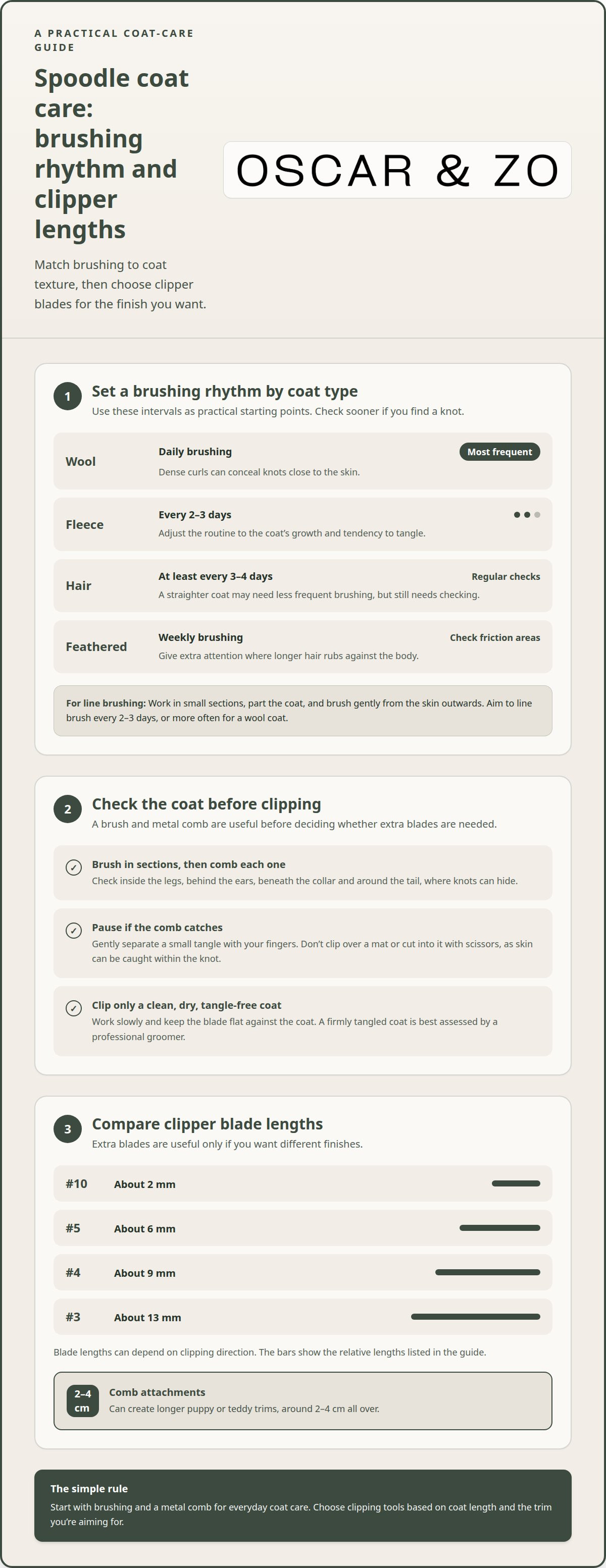
Clipper blades leave different lengths, so extra blades are useful only if you want different finishes. A #10 blade leaves about 2 mm when used alone; a #5 leaves about 6 mm, depending on clipping direction. A #4 leaves about 9 mm, while a #3 leaves about 13 mm. Comb attachments can create longer puppy or teddy trims, around 2 to 4 cm all over.
For a safer home trim, use clippers only on a clean, completely dry, tangle-free coat. Work slowly, keeping the blade flat against the coat. Use scissors only for small, visible finishing trims, never to cut into a mat.
Choose a professional groomer if mats are tight, the coat is difficult to manage, or you want an even full-body clip. Contact a vet about ear odour, discharge, redness, swelling, persistent head shaking or signs of pain.
At-home brushing frequency
A Spoodle’s coat type sets the rhythm for regular brushing. Wool coats need daily brushing because dense curls can conceal knots close to the skin. Fleece coats generally need brushing every 2-3 days, while hair coats should be brushed at least every 3-4 days. Feathered coats need weekly brushing, with extra attention where longer hair rubs against the body.
These intervals are practical starting points, not a reason to wait if you find a knot. After a walk, check the legs, chest and tail for burrs or tangles. In spring, check for grass seeds after every walk, as seeds can lodge in the coat. A Cockapoo may have a different coat texture, but the same principle applies: adjust brushing to the coat, not just the breed label.
Line brushing helps reach the coat beneath the surface. Work through a small area at a time, using your free hand to part the coat into a narrow line. Brush gently from the skin outwards, then move the part slightly and repeat. Cover the back, sides, chest, legs and tail, checking each section before moving on. Aim to line brush every 2-3 days, or more often for a wool coat.
A slicker brush can loosen light tangles and separate curls, while a metal comb helps reveal knots the brush may miss. Use short, controlled strokes instead of pulling through a snag. If the comb catches, pause and gently ease the tangle apart with your fingers. Don’t brush forcefully over a tight mat, as pulling can make grooming uncomfortable.
Brushing a dry Spoodle coat can create friction and make loose hair harder to manage. Lightly mist the coat with detangling spray before brushing, then work in small sections. The coat should feel slightly damp, not wet. If your grooming guide recommends a different routine for a particular coat, consider its advice alongside what you notice while checking the coat.
Keep tools calm and predictable. Let your dog sniff the slicker brush before you start, then use a few gentle strokes on a familiar area, such as the shoulder. Pause briefly before moving to sensitive areas, including the feet and inside the legs. Keep the brush away from the eyes and inside the ears, where it can catch delicate skin.
Choose a brush with rounded tips and a comfortable handle, then keep the metal comb nearby for a final check. A simple routine of parting, brushing and combing can make coat care easier to repeat. For a suitable coat-care brush, choose a tool that feels manageable for both your hand and your dog.
Ear cleaning and infection prevention
A Spoodle’s floppy ears can hold warmth and moisture, and hair around the ear canal makes regular checks useful. Look inside each ear weekly for redness, wax or discharge, and notice any unusual smell. A quiet, regular check can help you spot changes early.
For routine cleaning, use a vet-approved ear cleaner once or twice a month, following its directions. Wipe only the parts of the ear you can see, and keep cotton buds out of the ear canal. Don’t pluck ear hair unless your veterinarian recommends it for your dog. Spaniel-like ears may look clean at a glance, so include a gentle visual check beneath each flap.
After a bath, swim or wet walk, dry the ears thoroughly. Use a soft towel on the outer ear, without rubbing or pushing anything into the canal. Moisture left around the ear can make routine care less comfortable. If your Spoodle resists, stop and try again later rather than holding their head still by force.
Contact your vet if you notice persistent scratching or head shaking, a bad odour, discharge, redness, swelling or signs of ear pain. These changes may point to an ear problem that needs veterinary attention, rather than more cleaning at home. Avoid applying household products or using an ear cleaner to manage symptoms without veterinary advice.
Coat care also supports comfort around the ears. Check behind each ear, beneath the collar and inside the legs, where friction can encourage knots. Gently separate small tangles with your fingers, then use a brush and metal comb to check through the section. RSPCA Australia advises brushing out knots before they become mats.
For a small, loose knot, hold the hair near the skin to reduce pulling, then work from the ends towards the roots. Stop if your Spoodle shows discomfort or the knot feels tight. Never cut into a mat with scissors, as skin can be caught inside it. A tightly matted area needs careful handling by a professional groomer.
Common grooming risks include putting cotton buds into the ear canal, plucking ear hair without veterinary advice, and cutting into mats with scissors. For a Poodle cross, gentle checks and drying the ears after water exposure are safer habits than forceful cleaning or pulling at knots.
Bathing, conditioning and drying before clipping
Prepare the coat before bath time. Brush and comb each section first, including behind the ears, under the collar and around the legs. Wet mats tighten and become harder to loosen, so don’t soak a tangled patch. If a knot feels firm or close to the skin, leave it for a professional groomer rather than pulling at it.
Use lukewarm water and a dog shampoo suited to your Spoodle’s coat. Wet the coat thoroughly, then gently work shampoo through the body, legs and tail. Keep shampoo away from the eyes and inside the ear canal. Rinse until the water runs clear and no residue remains. Curly coats can hold shampoo close to the skin, so take care around dense areas.
Conditioner can help keep a dog’s coat manageable when bathing monthly or more often. Follow the product directions, apply it evenly, then rinse thoroughly. Choose a conditioner made for dogs rather than a human hair product. Whether your dog is a Spoodle, Cavoodle or Cocker Spaniel cross, use products intended for canine coats and keep them away from the eyes and ear canal.
After rinsing, gently squeeze excess water from the coat with your hands, then use a towel to absorb moisture. Don’t rub vigorously, as this can tangle longer curls. Dry the coat thoroughly instead of letting it air-dry. Pay particular attention to the skin beneath the chest, legs and ears, where a thick coat can stay damp even when the surface feels dry.
Before clipping, the coat must be 100% dry. Damp curls sit differently from dry ones, making an even length harder to judge. Dry in small sections, gently separating the coat as you go. Keep the dryer at a comfortable distance, use a gentle setting and pause if your dog becomes unsettled. Dry the ears thoroughly after every bath, swim or wet walk.
Begin a full groom only with a clean, dry, combed coat. Run a metal comb through the body and check that it moves freely from roots to ends. If it catches, stop and reassess the section before using clippers or scissors. Never cut into a mat with scissors, because skin can be caught inside it. A matted coat may need professional attention before bathing or clipping is suitable.
For a calmer routine, introduce the bath, towel and dryer separately before attempting a full groom. Short, gentle sessions help your dog become familiar with each sound and sensation. Keep the floor steady underfoot, prepare towels and tools beforehand, and finish drying before assessing the coat’s length for clipping.
At-home grooming tools
Build a small kit around coat care before buying clipper blades. A slicker brush loosens surface tangles, while a metal comb checks whether the coat is clear through to the skin. Use both thoroughly before clipping. A Cocker Spaniel cross may have feathering around the legs, while a Spoodle’s curls can make knots harder to see.
For clipping, decide the finish first. Comb attachments guide clippers to a longer, more even coat, making them useful for a puppy or teddy trim. Attachments can leave about 2 cm to 3 cm of coat. Stainless steel versions are available up to 2.5 cm, while plastic versions reach 3.2 cm. Those extra lengths can make a greater difference than owning multiple blades.
Clipper size affects handling. A smaller trimmer may be easier to guide around smaller areas. A full-size clipper has a blade width of around 5 cm and covers broader sections more efficiently. Neither tool replaces careful checking around the armpits, feet and ears, where loose skin and coat folds need a gentle approach.
Clipper speed is another choice. Lower speeds tend to run around 1,500 to 2,000 strokes per minute; higher speeds can reach 3,800 or more. A slower setting gives a newer home groomer more control, while speed alone doesn’t ensure an even finish. Keep the coat dry, pause if your dog becomes unsettled, and avoid pressing the blade firmly against the skin.
Extra blades aren’t automatically necessary. Choose them only if your clipper and intended coat length require them. Comb attachments offer a practical way to leave the coat longer, while a blade used by itself gives a shorter finish. Before clipping, check the blade instructions and practise guiding the tool over a small, flat area, such as the back.
Keep scissors for small, visible finishing trims, such as tidying a stray tuft. Don’t use them to cut into a mat, where skin may be hidden inside the tangle. Clean and dry brushes, combs and clipper attachments after use, then store them together. Check tools regularly for bent comb teeth or a clipper attachment that no longer sits securely.
For an at-home kit that suits your routine, explore grooming tools for coat care and choose the essentials you’ll use consistently.
Oscar & Zo: Grooming Tools
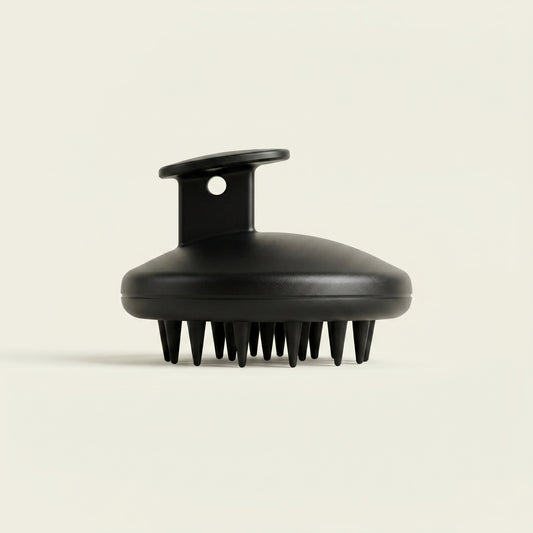
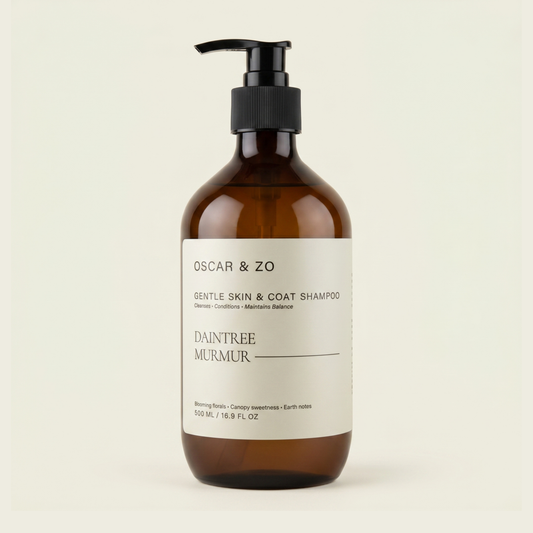
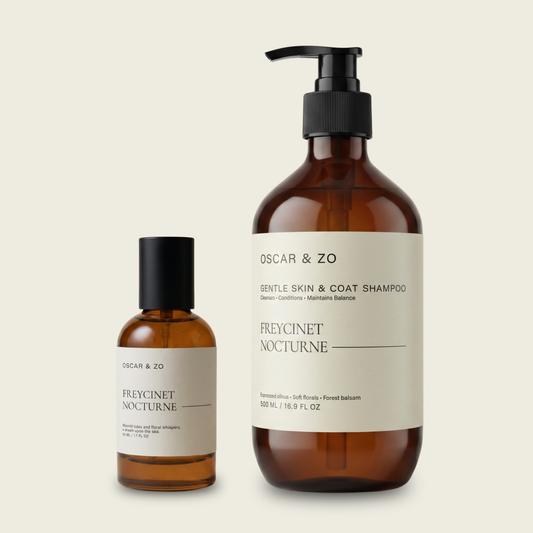
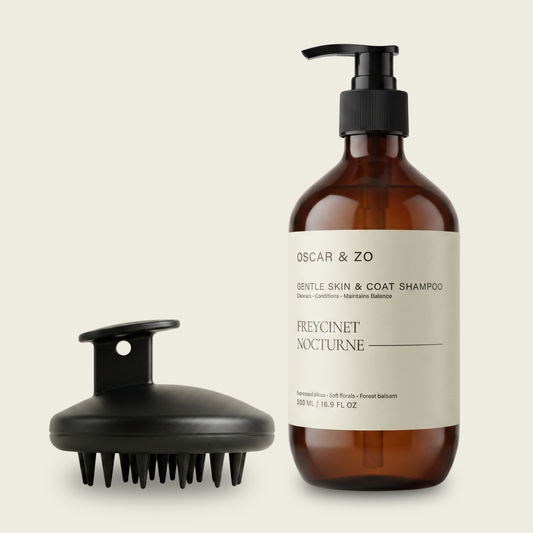
Oscar & Zo offers grooming essentials to support a calm, consistent coat-care routine at home. Its Grooming Tools can sit alongside the brush and comb you use to check through your Spoodle’s coat, while Skin & Coat Shampoo fits into bath time before drying and clipping.
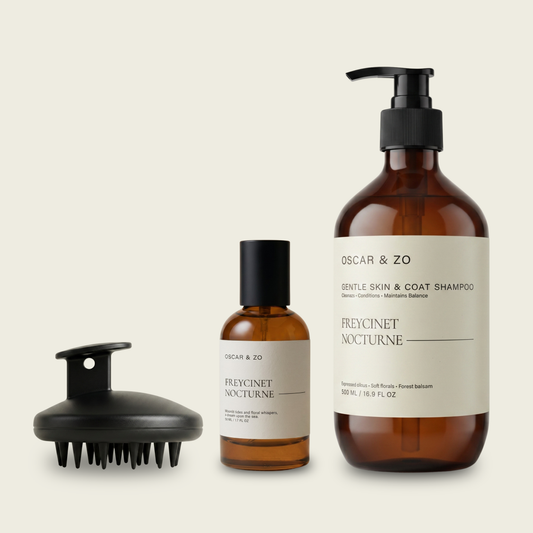
For a considered routine, choose tools that feel comfortable to handle and suit the coat care you’ll do regularly. Oscar & Zo’s Ritual Sets bring grooming essentials together, and Pet Fragrance can add a fresh scent to the finishing routine. Use each product as directed, and leave veterinary concerns, such as persistent ear irritation, to your vet.
If you’d like to explore Oscar & Zo’s grooming essentials for your routine, contact Oscar & Zo.
Make coat care part of your routine
Choose a quiet moment that suits your household, then keep the routine simple enough to repeat. A few calm minutes together can make coat care feel more familiar, while regular observation helps you notice changes in comfort or behaviour. If your Spoodle becomes uneasy, pause and return to the task gently later.
For a considered care routine, Oscar & Zo offers Skin & Coat Shampoo, Pet Fragrance and Ritual Sets. Choose what suits your dog’s everyday care, and follow each product’s directions. Grooming a Spoodle at home can be a thoughtful way to care for their coat and build a comfortable routine together.
If you’d like guidance on choosing grooming essentials, contact Oscar & Zo for grooming advice. With a steady rhythm and gentle approach, you can make each grooming moment a little more familiar and reassuring.
Continue Spoodle Grooming with Oscar & Zo
Oscar & Zo offers Skin & Coat Shampoo, Grooming Tools and Ritual Sets for the care steps involved in grooming a Spoodle at home.
When you’re ready to choose products for your grooming routine, explore Oscar & Zo’s offerings. The Discovery Set and Pet Fragrance are also available.
Frequently Asked Questions
Do I need to buy extra blades with my clipper?
Usually, no. Buy an additional blade only if your chosen finish needs one and it’s compatible with your clipper. Before buying, check the clipper maker’s instructions for fitting and caring for blades. If a blade pulls at the coat or doesn’t run smoothly, stop rather than pressing harder. A groomer can help with a difficult finish, while simple upkeep may not require extra blades.
How often should a Spoodle be groomed?
Professional grooming appointments depend on coat type and how quickly the coat grows. Use the coat-specific schedule discussed earlier as a guide, then notice whether the shape is becoming difficult to maintain. For example, a trim may be due when hair starts to obscure the face or the coat repeatedly tangles after brushing. A groomer can also help decide whether your preferred style suits your dog’s coat.
Puppy cut, teddy cut or traditional Spaniel cut?
Choose a puppy cut for a simple, practical outline, a teddy cut for a rounded appearance, or a Spaniel-inspired style for a more shaped finish. The names can mean different things to different groomers, so describe the look you want rather than relying on the label alone. A photo can clarify details such as the face shape and how much definition you prefer around the legs.
What about clippers for the straight or hair coat?
Clippers can suit a straight or hair-type coat if they’re designed for dog grooming and match the coat’s texture. The label “hair coat” alone doesn’t determine the best tool. Check the manufacturer’s instructions for the model’s intended use, blade care and cleaning. If the coat catches or your dog becomes worried by the sound, stop and reassess before continuing.
What clippers suit an Oodle coat?
Choose clippers intended for animal coats, and follow the maker’s advice on coat density and blade compatibility. Spoodle, Cavoodle and other Oodle coats can differ, so a tool that works comfortably on one dog may not suit another. Look for clear operating and maintenance instructions, then introduce the clipper calmly before trimming. If you’re unsure about a dense or difficult coat, a professional groomer can assess it.
How often should you groom a Spoodle at home?
Home care works best as a routine rather than one long grooming session. Brush at a frequency suited to your dog’s coat, and check for changes during everyday handling, such as a new snag beneath the collar. Keep clipping separate from routine brushing so you can focus on safe handling and an even result. If a task causes distress, pause and try a gentler approach another time.
What tools do you need to groom a Spoodle?
A basic kit includes a slicker brush and metal comb for coat maintenance, plus suitable clippers if you plan to trim at home. Keep a towel and dog shampoo ready for bath time. Set everything within reach before beginning, and work on a stable surface where your dog feels secure. Clean and store tools after use so they’re ready for the next session.
How do you brush and detangle a Spoodle's coat?
Choose a calm time and let your Spoodle settle before beginning. Keep sessions comfortable by pausing if your dog shifts away, stiffens or seems distressed. For a small, loose knot, work patiently rather than tugging, and stop if it resists or sits close to the skin. A tight mat isn’t a home detangling task, particularly if your dog reacts when you touch the area.